




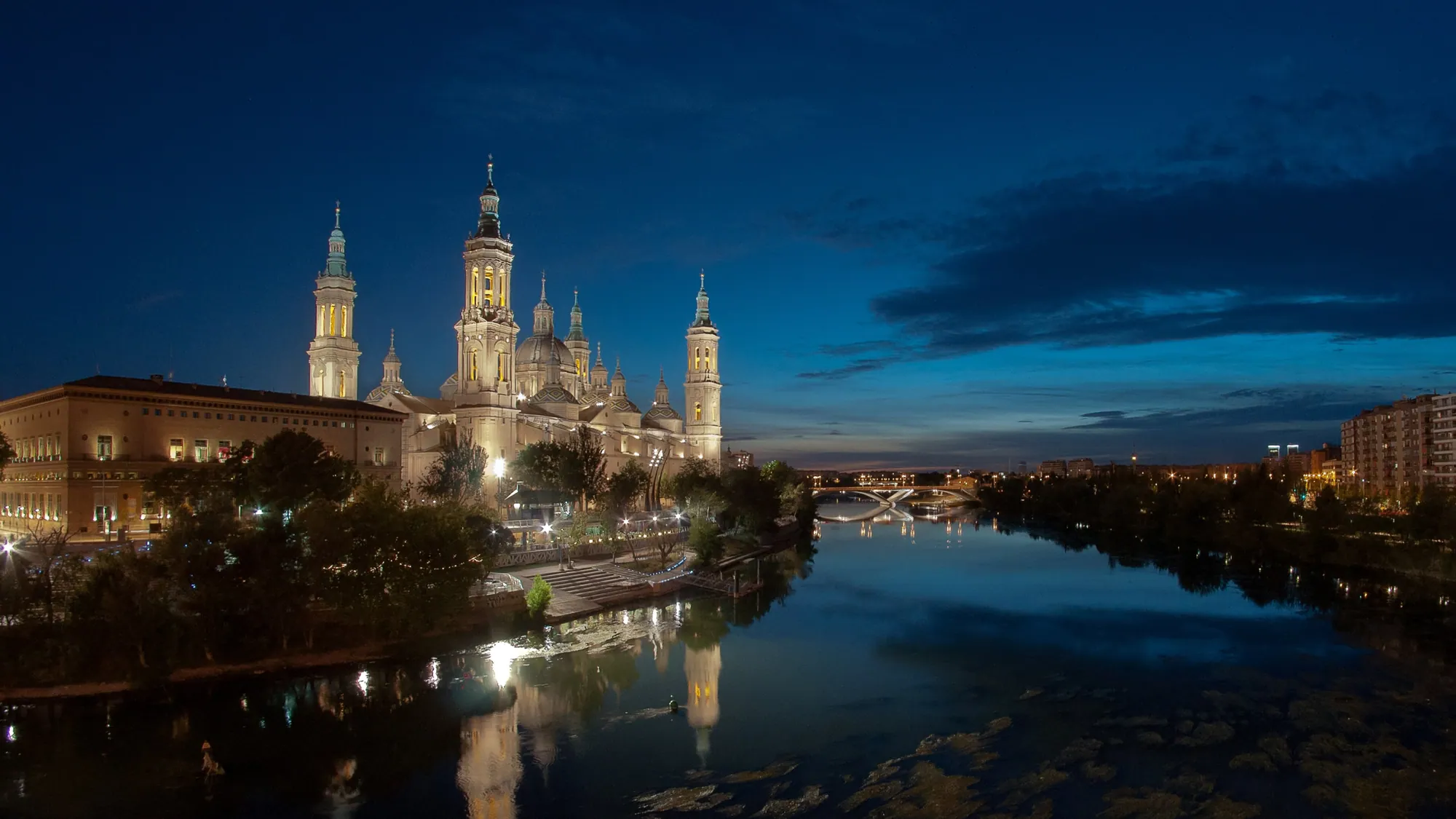
Basilica of Our Lady of the Pillar
A huge Baroque basilica on the Ebro with eleven domes and four towers, holding the venerated pillar of the Virgin and frescoes by Goya; a lift climbs one tower for city views.
Facts, places, transport, contacts, holidays and events for the 8 main cities, and a page for every autonomous community and autonomous city.
Compare the cities Explore
Select any region on the map of Spain to open its page.
19 free tools for money, work, visas and daily life, built on Spain's own rules and unlocked with a free Daleel Pass.
All tools Unlock everything
Email and mobile once, every tool open for a year.
Emergency services, helplines, ministries, regional governments, town halls, hospitals, universities, embassies and utilities, by city.
Open the directory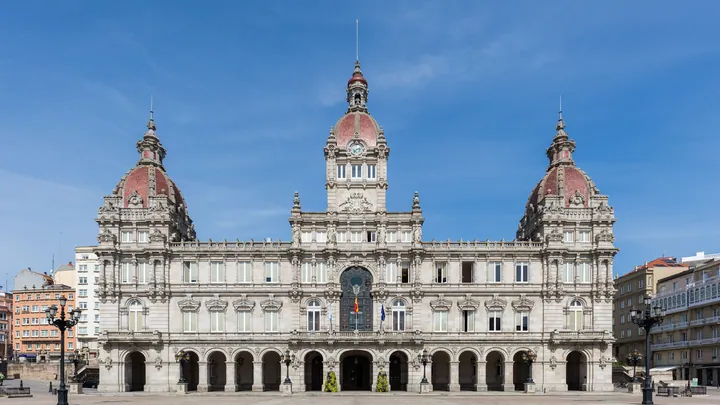 Save the card
Police, fire and ambulance from any phone, anywhere in Spain, in several languages.
Visas, labour law, renting, healthcare, schools, driving, money, business and culture, explained in plain language.
All guides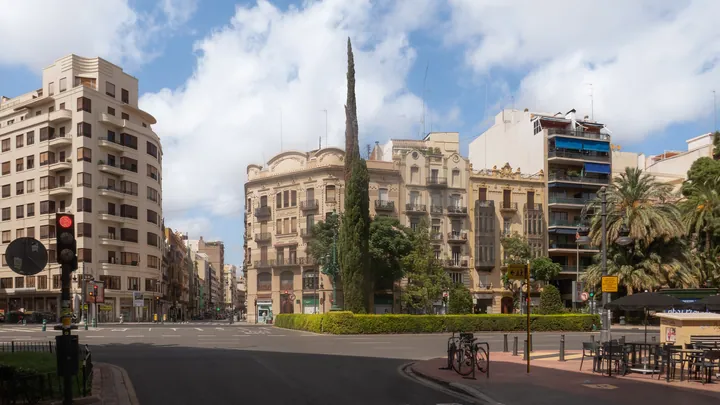 Start here
The complete checklist, from the NIE and the padrón to your first 90 days.
Concerts, festivals, theatre, culture and the big trade fairs across the main cities, refreshed every day from official venues and calendars.
See all events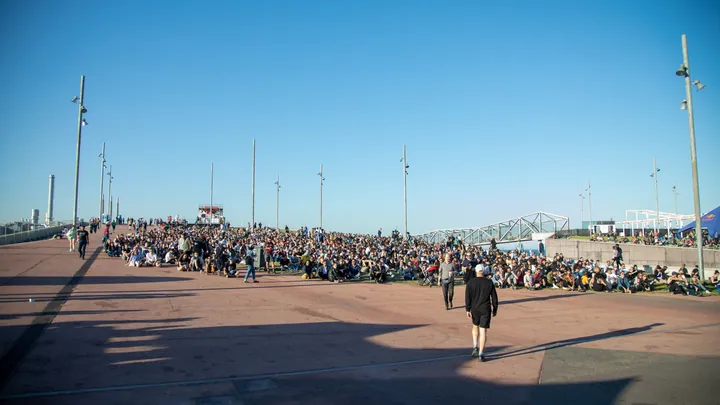 Events
What's on
Practical articles on living, working, visas, money and travel across Spain.
Read the blog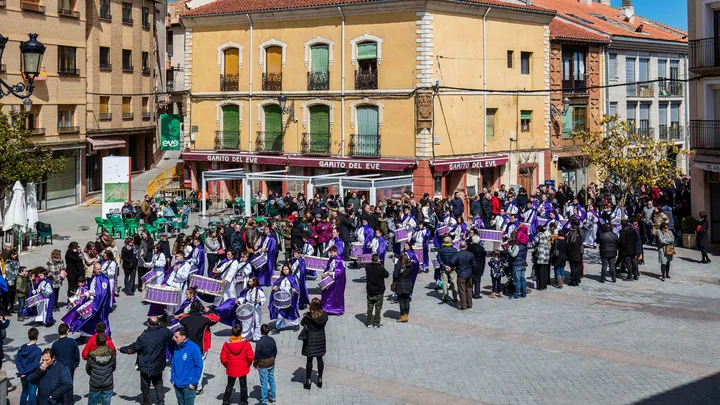 New
The latest from the blog.
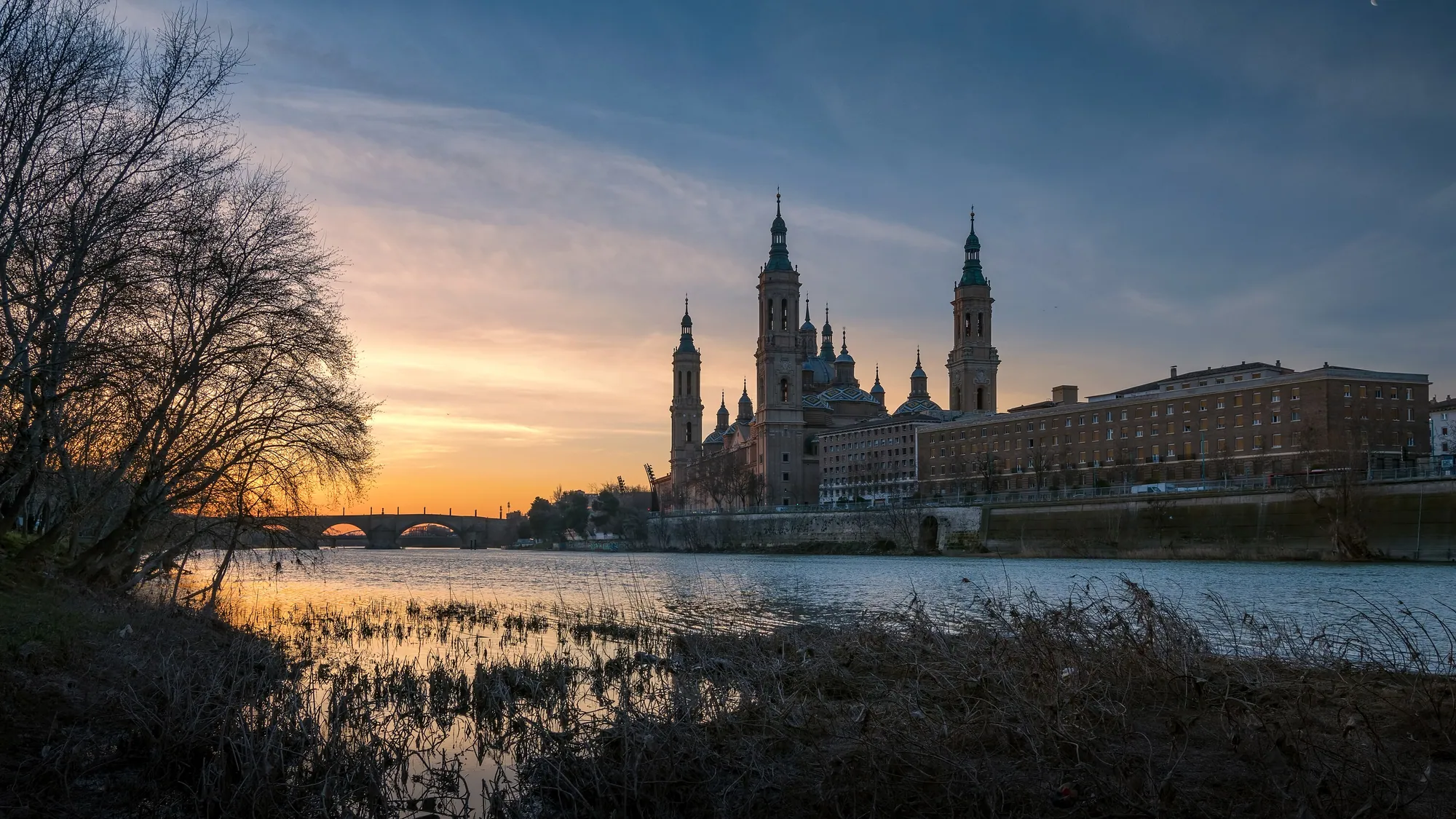
Zaragoza is the capital of Aragon, halfway between Madrid and Barcelona, known for the Pilar basilica, the Aljafería palace and its October fiestas.
Zaragoza is the capital of Aragon and, at 1 January 2025, Spain's fourth-largest city by registered population. It lies on the river Ebro roughly halfway between Madrid, Barcelona, Valencia and Bilbao, which has made it a major logistics hub, with one of Europe's largest logistics parks (PLAZA) and a busy cargo airport.
The Romans founded the city as Caesaraugusta, and its name still echoes the emperor's. The Basilica of Our Lady of the Pillar (El Pilar), with its tiled domes and frescoes by Goya, dominates the riverfront, while La Seo cathedral and the Aljafería, an 11th-century Islamic palace, belong to the UNESCO-listed Mudéjar architecture of Aragon. The Fiestas del Pilar in the week around 12 October bring the Offering of Flowers and concerts across the city.
Zaragoza has more affordable housing than Madrid, Barcelona and the big coastal cities, and a dry climate with hot summers, cold winters and a strong north-west wind called the cierzo. A tram line and Avanza buses cover the city, and high-speed trains from Delicias station reach Madrid and Barcelona in about one and a half hours.
Landmarks, heritage, nature and days out in Zaragoza.
A huge Baroque basilica on the Ebro with eleven domes and four towers, holding the venerated pillar of the Virgin and frescoes by Goya; a lift climbs one tower for city views.
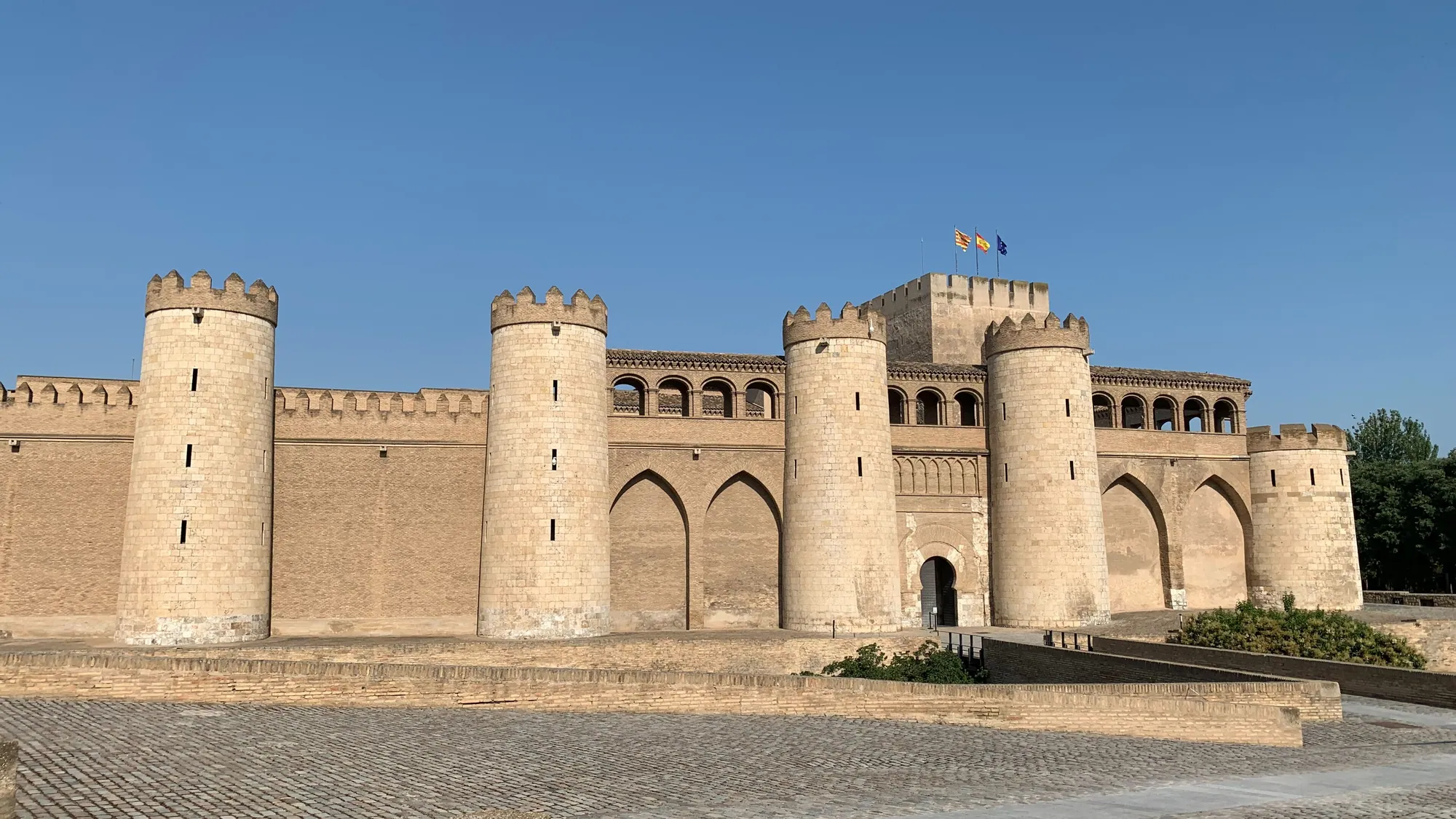
An 11th-century Islamic palace of the taifa kings, later a Christian royal palace and now seat of the Aragonese parliament, with delicate arches and Mudéjar ceilings.
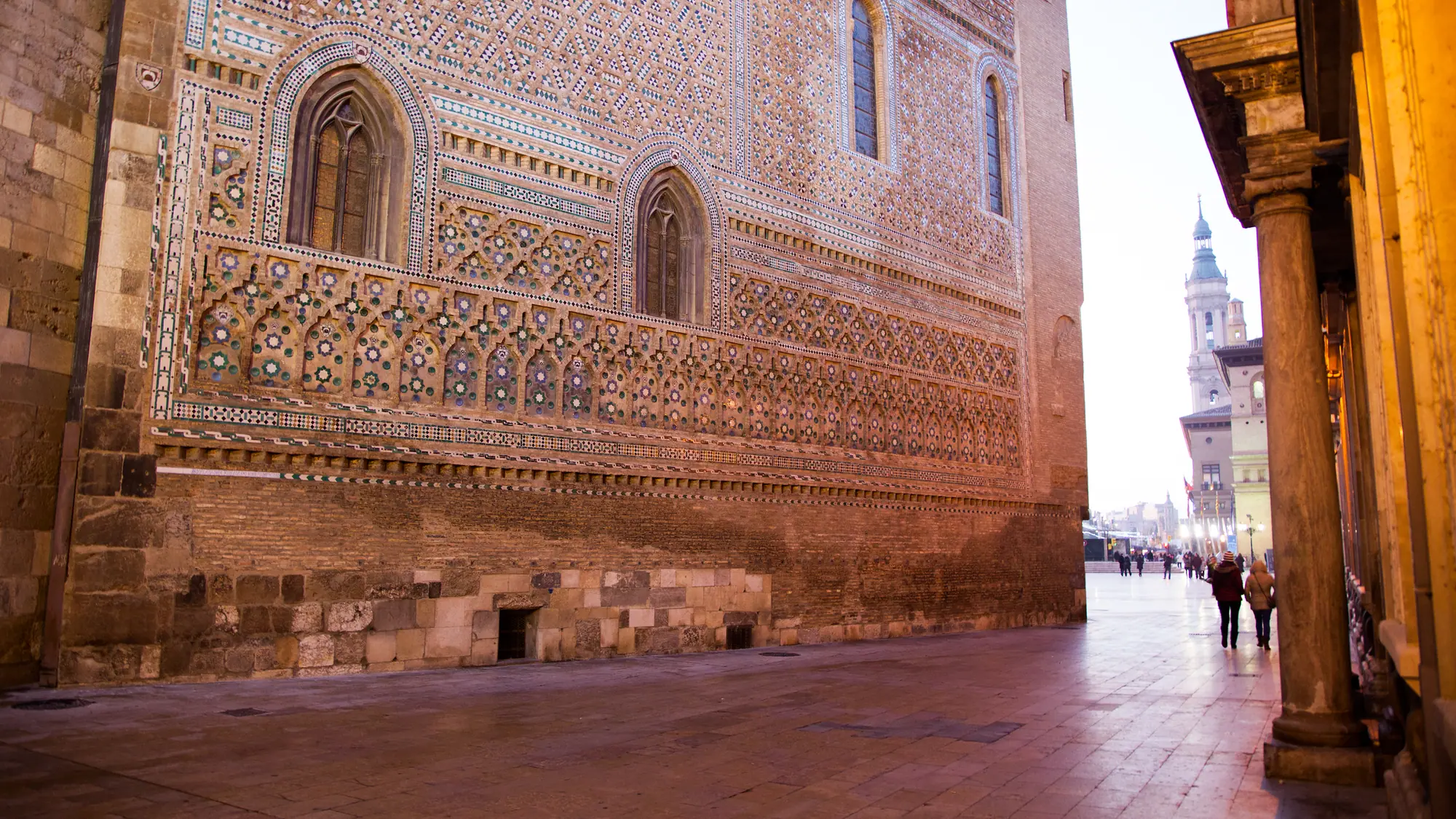
The Cathedral of the Saviour, built over the city's great mosque, mixing Romanesque, Gothic, Mudéjar and Baroque; its tiled Mudéjar wall is part of a UNESCO World Heritage Site.
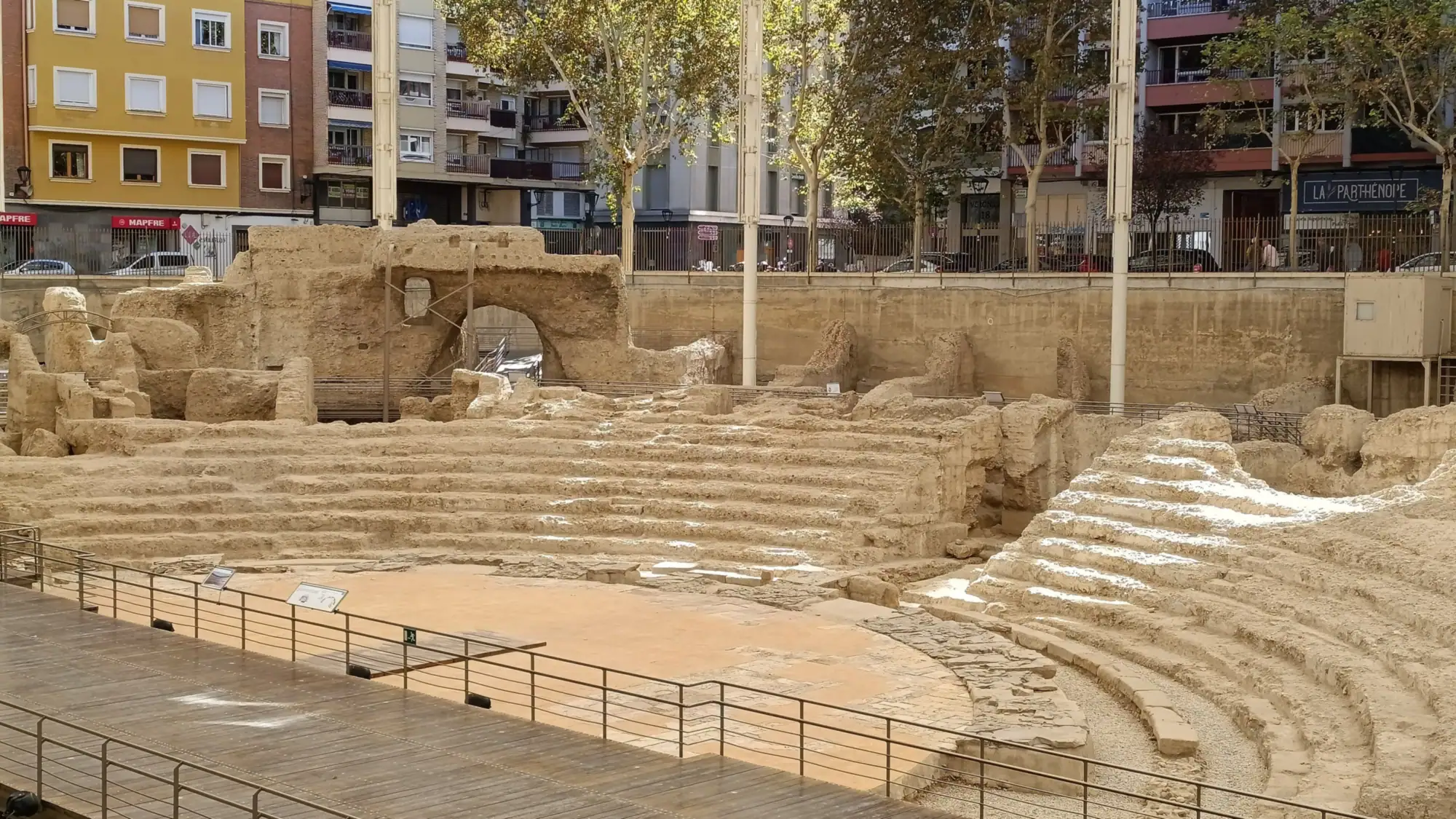
The remains of the 1st-century Roman theatre of Caesaraugusta, shown under a protective canopy, with a museum explaining theatre and daily life in the Roman city.
The Ibercaja collection in a Renaissance palace, with paintings by Francisco de Goya, who was born near Zaragoza, and his celebrated print series such as The Disasters of War.
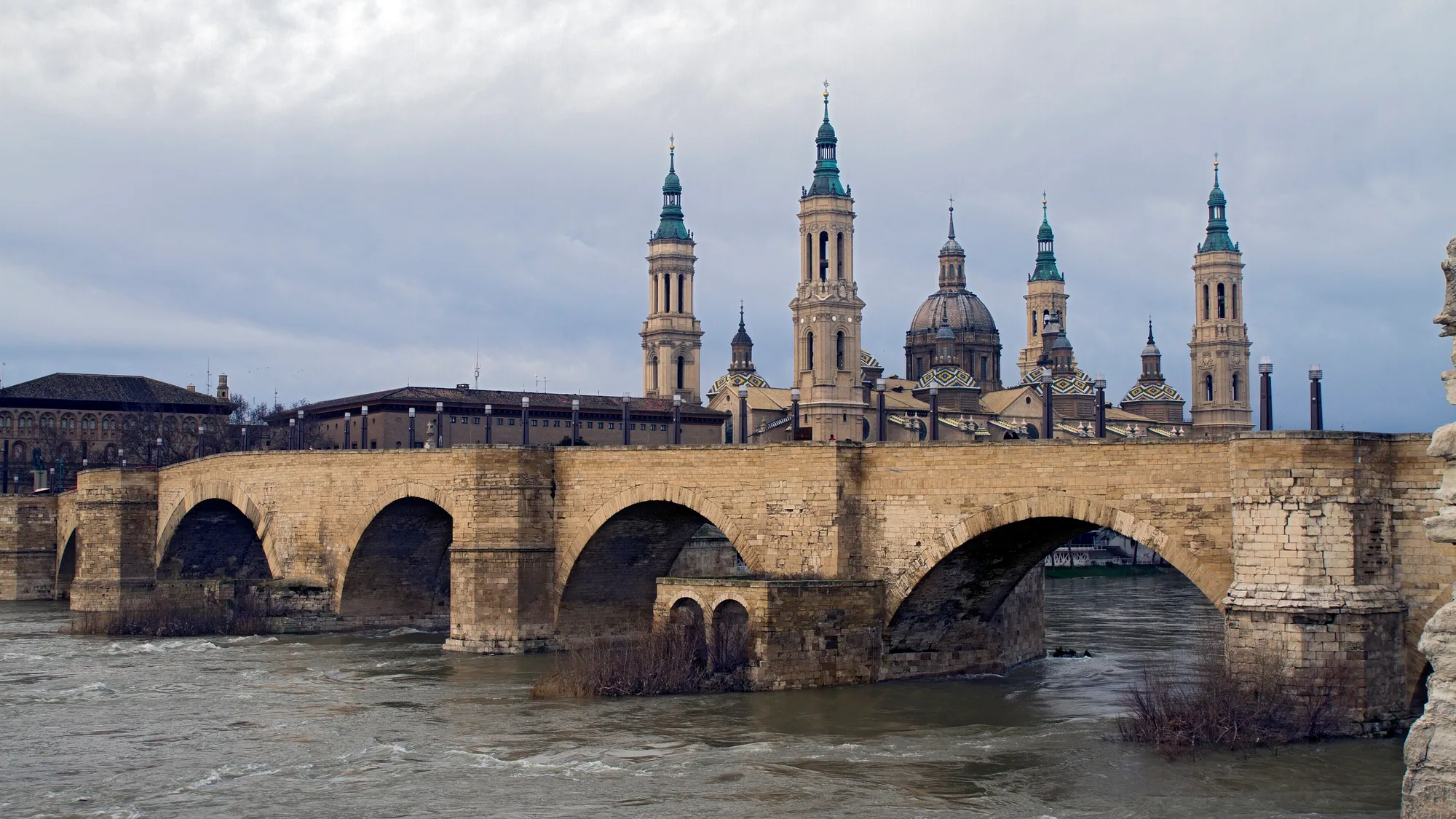
A 15th-century stone bridge across the Ebro, guarded by bronze lions, giving the classic view of the Pilar basilica's domes and towers reflected in the river.
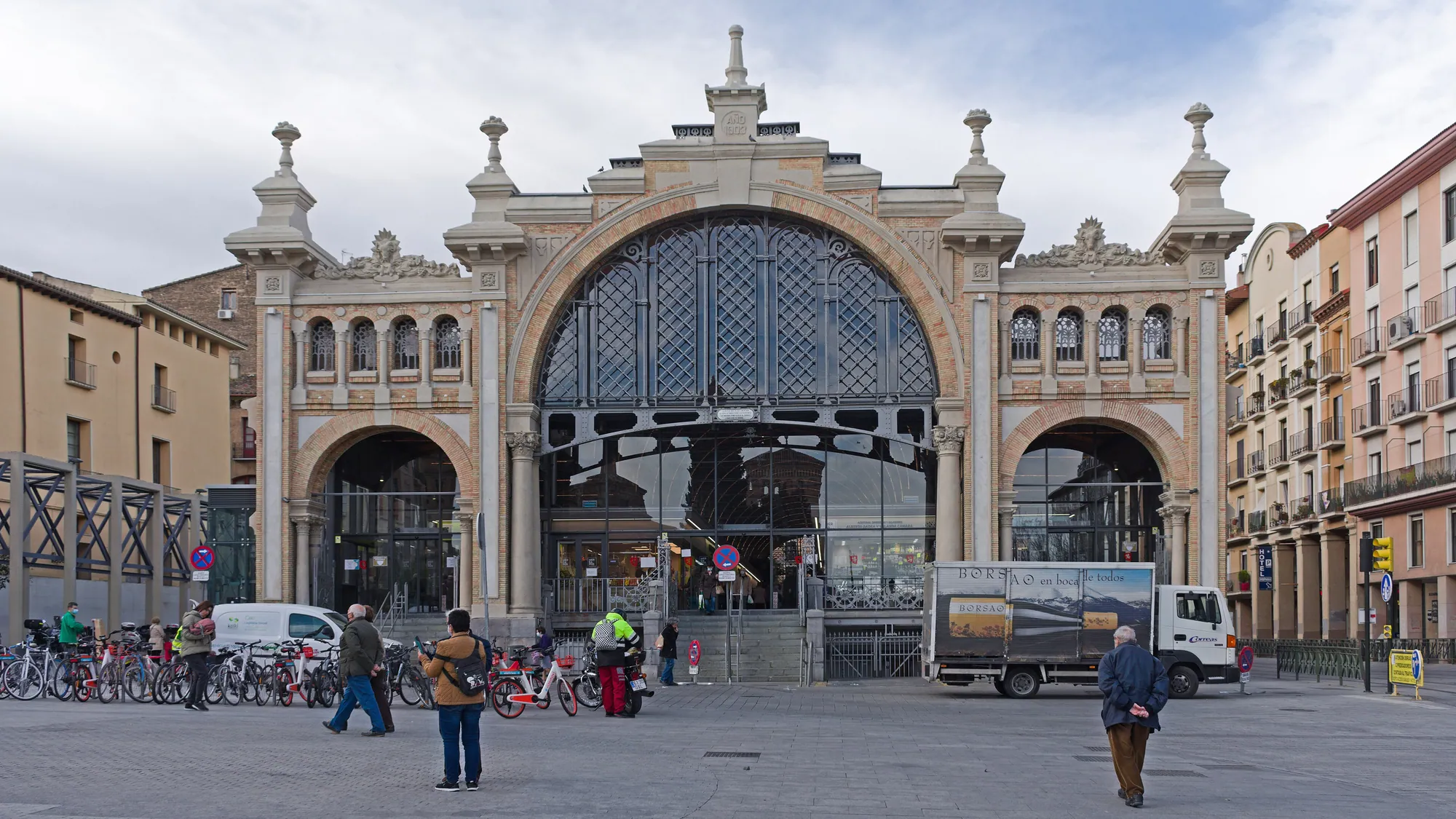
A modernista iron and glass market of 1903 by Félix Navarro beside the Roman walls, reopened in 2020 after restoration, with fresh produce, butchers and tapas stalls.
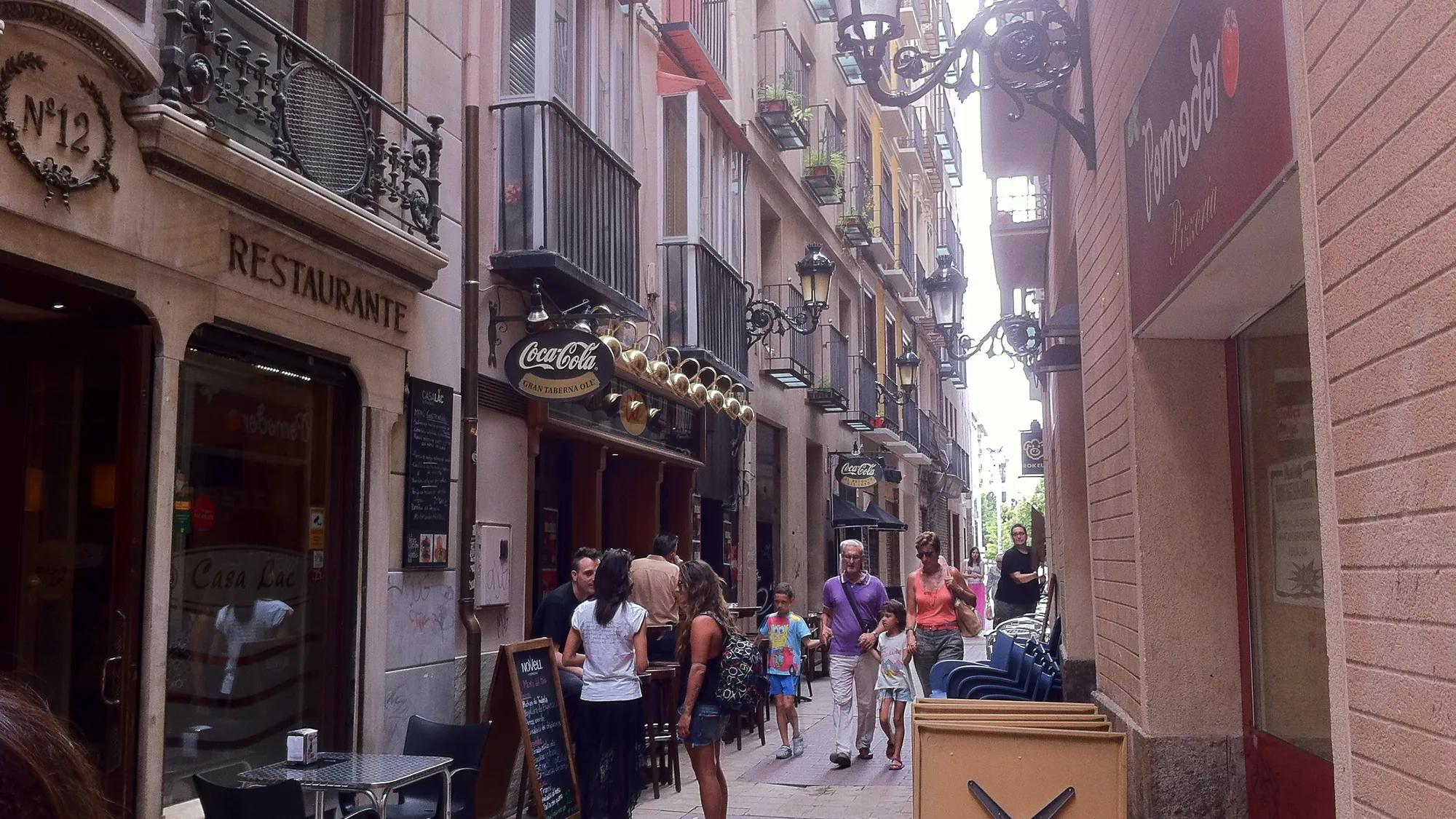
A cluster of narrow lanes near Plaza de España crowded with tapas bars, the classic place in the city to go out for small plates and a glass of Aragonese wine.
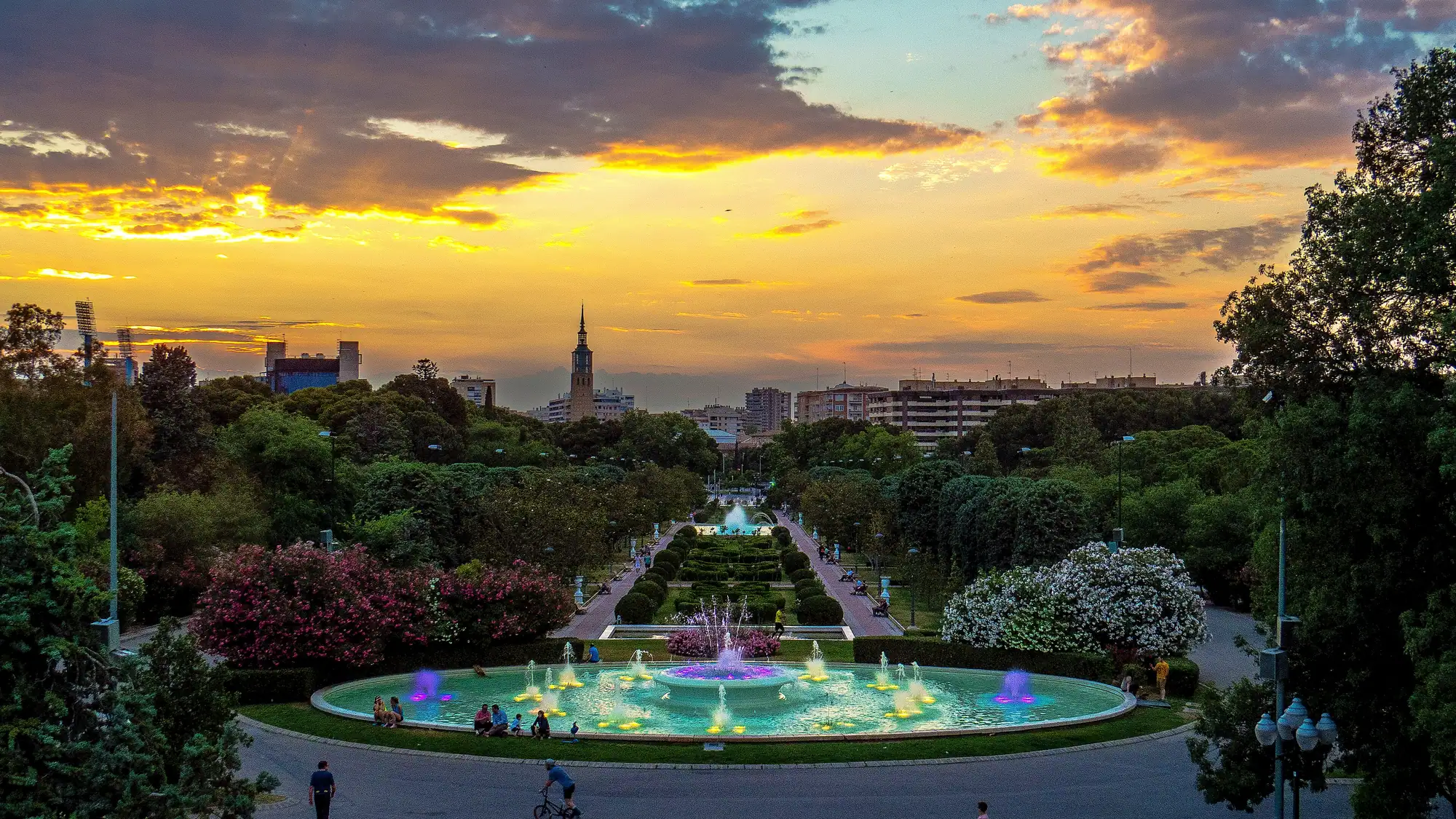
Zaragoza's best-loved park beside the Huerva river, with tree-lined avenues, a botanical garden and a monumental stairway rising to the statue of King Alfonso I.
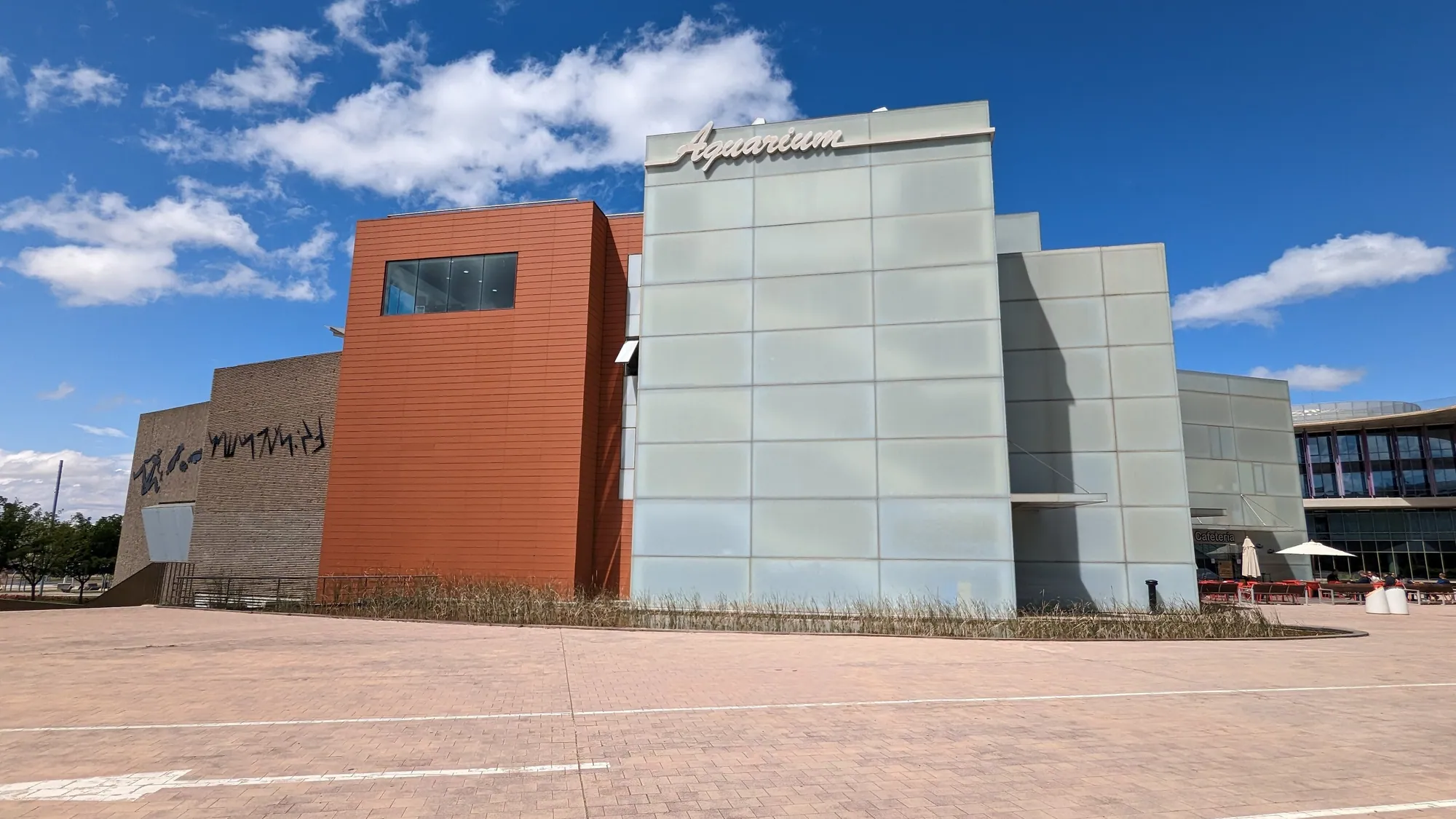
Europe's largest river aquarium, built for Expo 2008, with tanks recreating the Nile, Mekong, Amazon, Darling-Murray and Ebro rivers in the riverside Expo park.
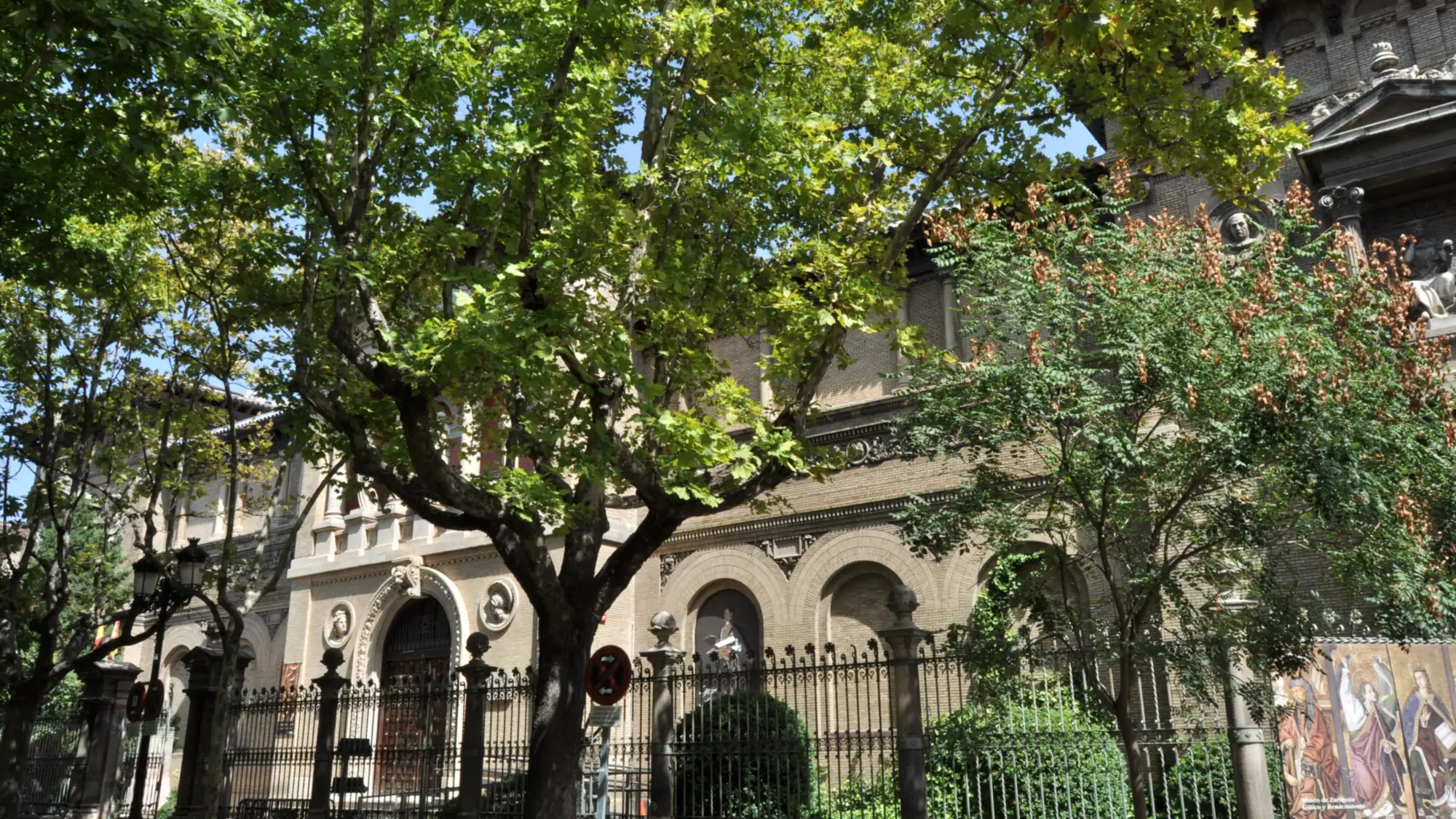
WebsiteThe city's main museum on Plaza de los Sitios, covering Iberian and Roman finds from Caesaraugusta, Aragonese medieval art and a room of paintings by Goya.
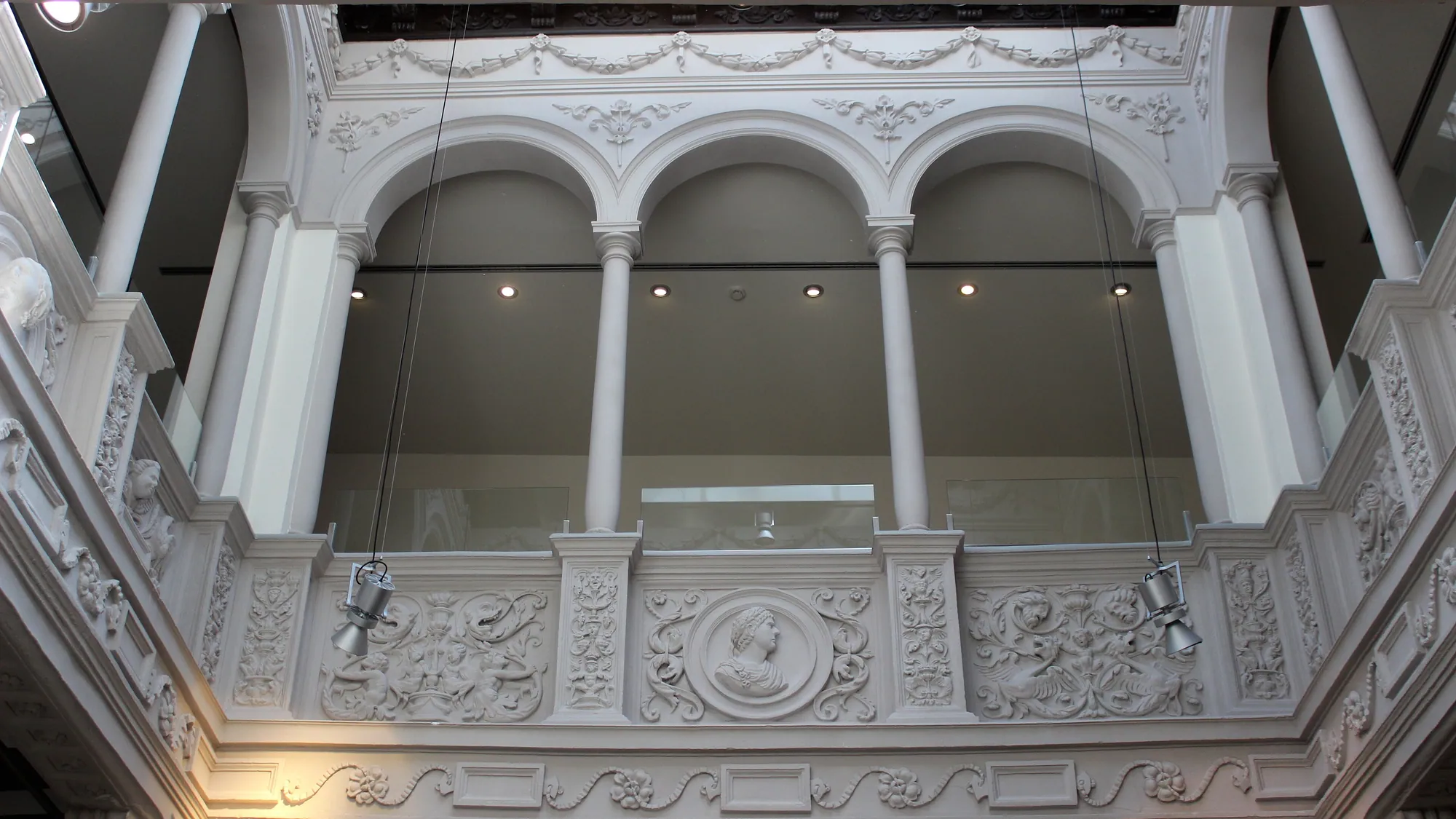
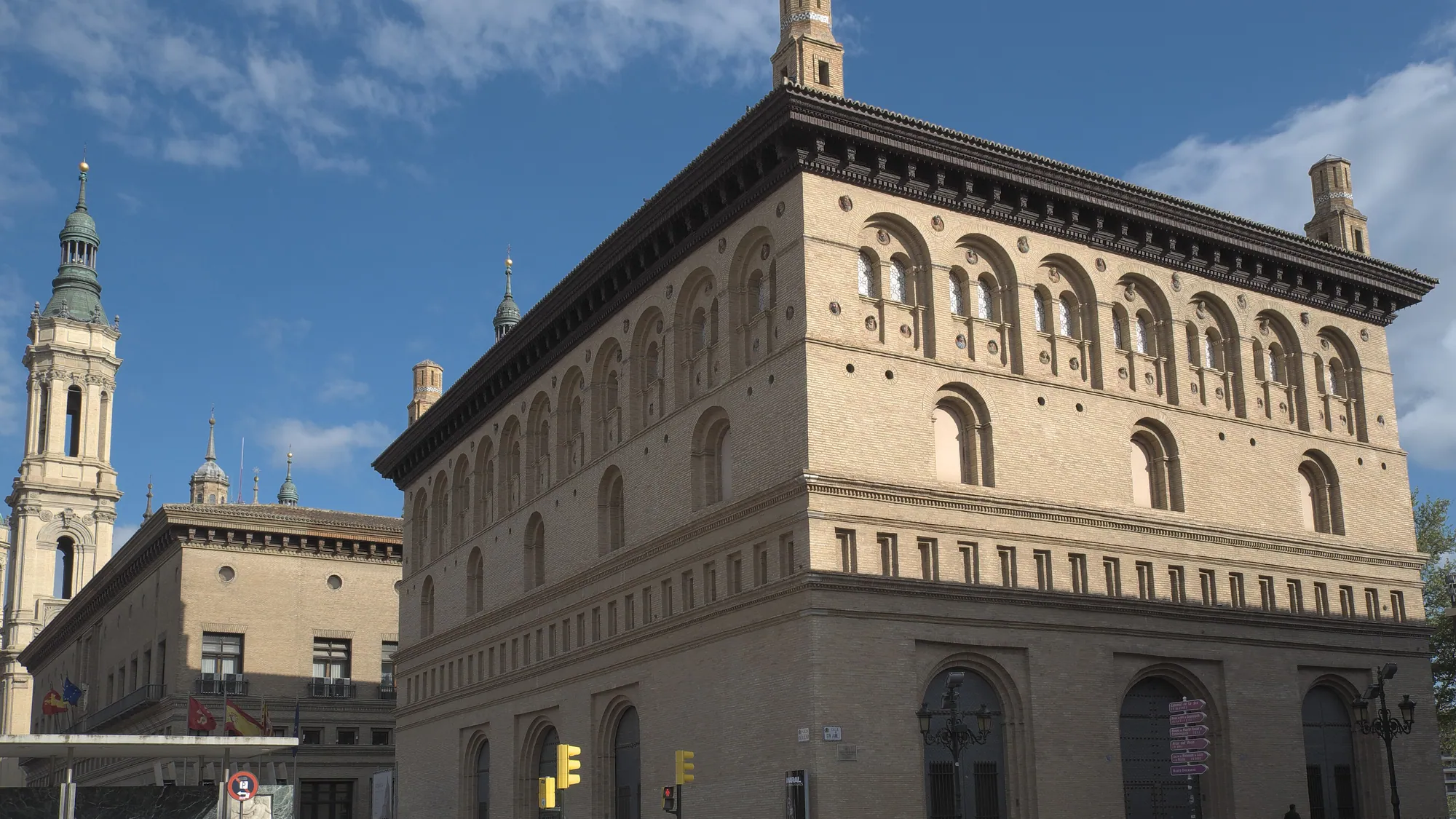
A 16th-century Renaissance merchants' exchange on the Plaza del Pilar, with slender columns and an ornate ceiling, now used by the city council as a temporary exhibition hall.
Places in nearby regions, by distance as the crow flies. Most make a long day out or an easy overnight.
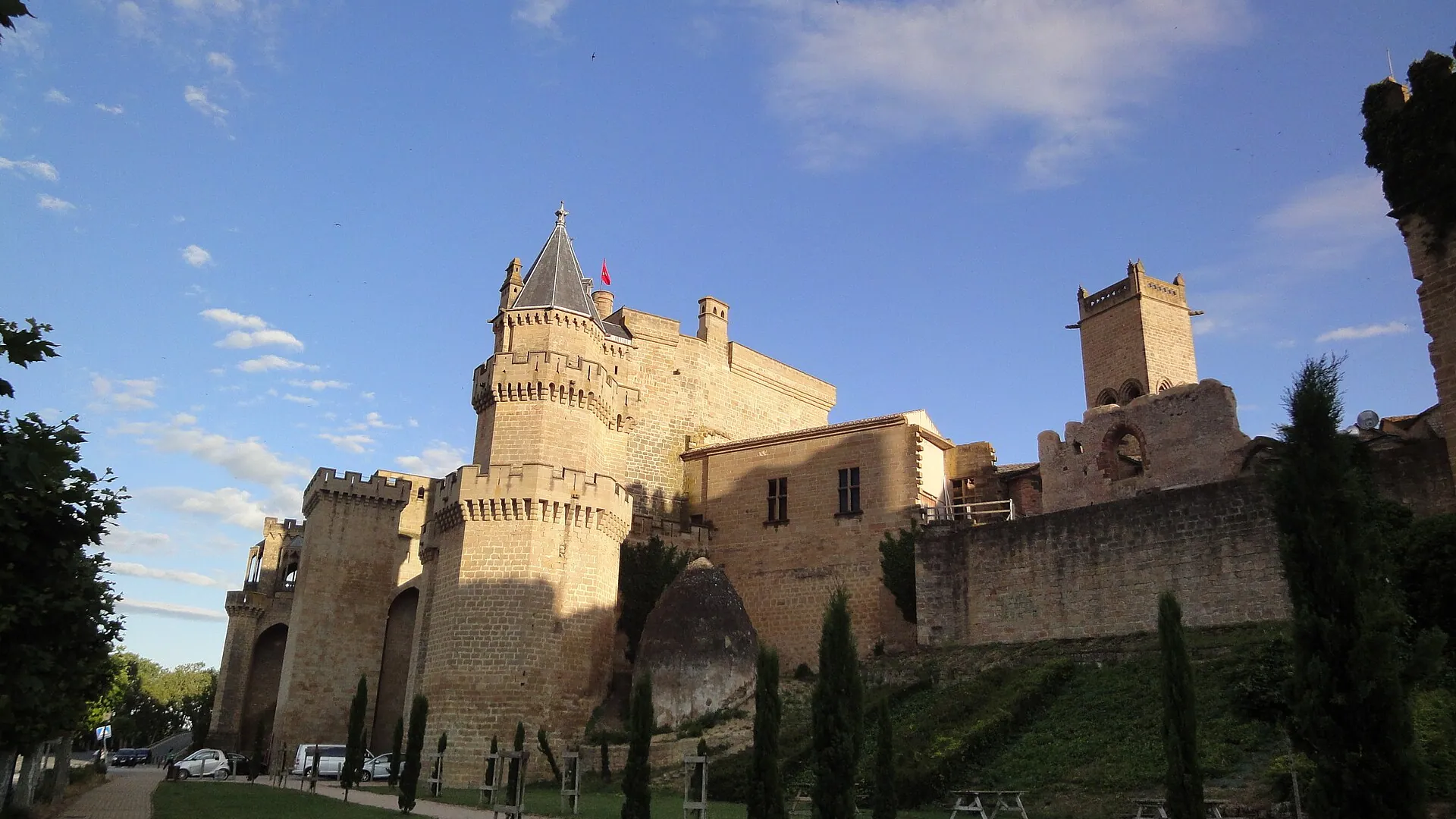
A 15th-century fairy-tale palace of the kings of Navarre with towers, galleries and battlements, in a wine town about 40 km south of Pamplona, with a parador in its oldest wing.
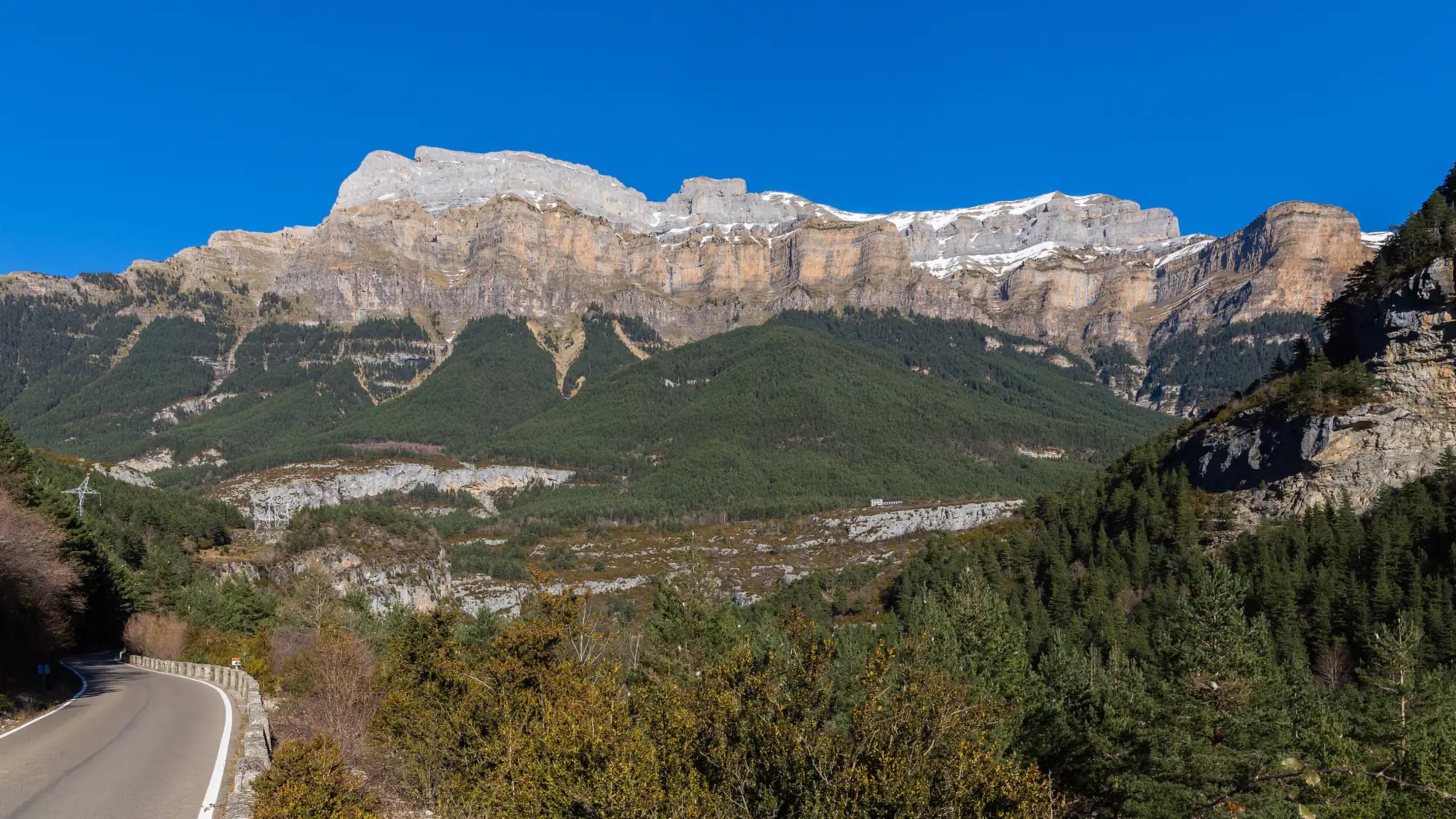
130 km away · AragonA Pyrenean national park of deep limestone canyons, beech woods and waterfalls, part of a UNESCO site; the classic walk runs from the Pradera de Ordesa to the Cola de Caballo falls.
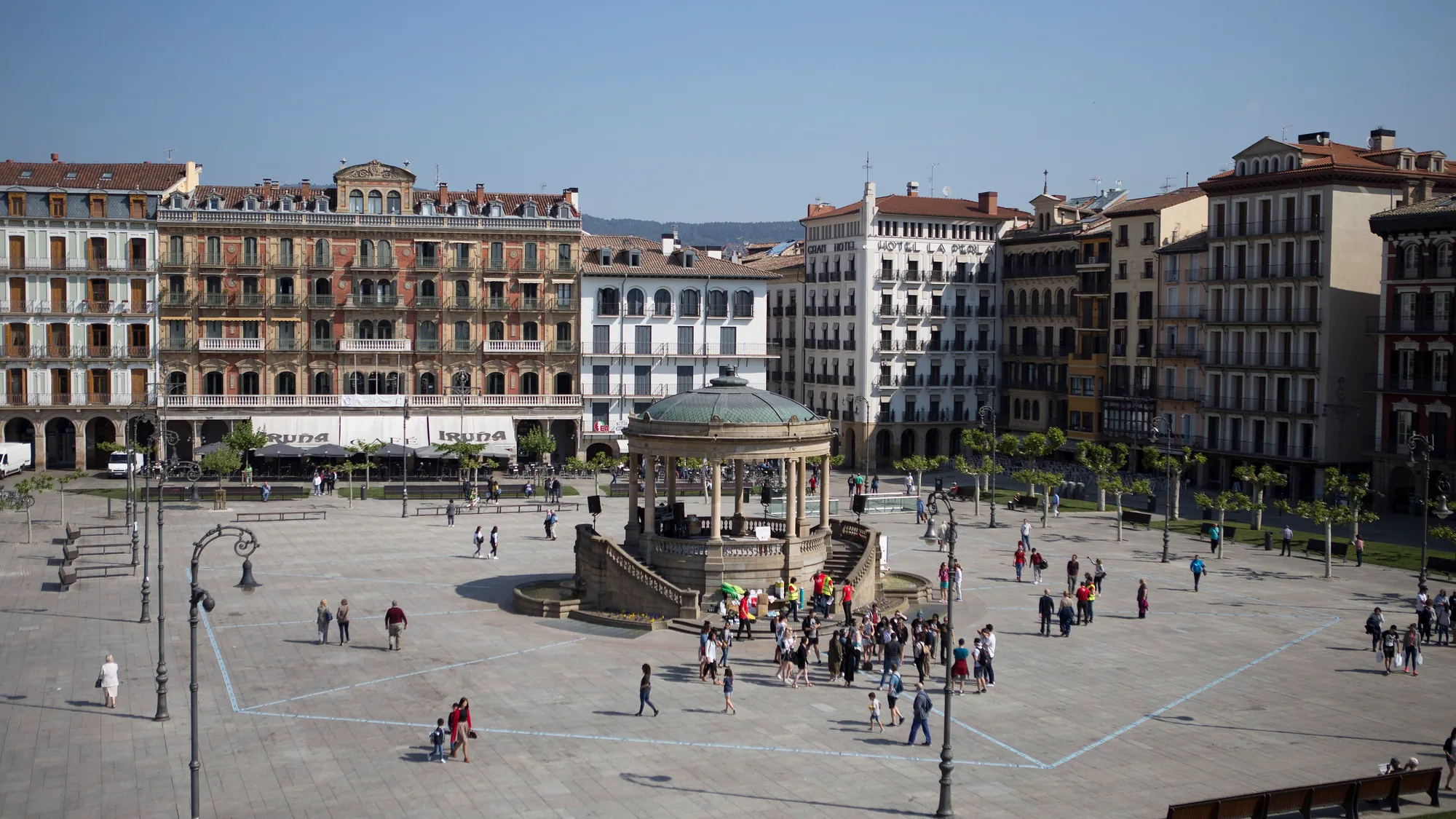
145 km away · NavarreThe walled old town of Pamplona around the Plaza del Castillo, with pintxos bars and the route of the San Fermín bull runs, held each year from 7 to 14 July.
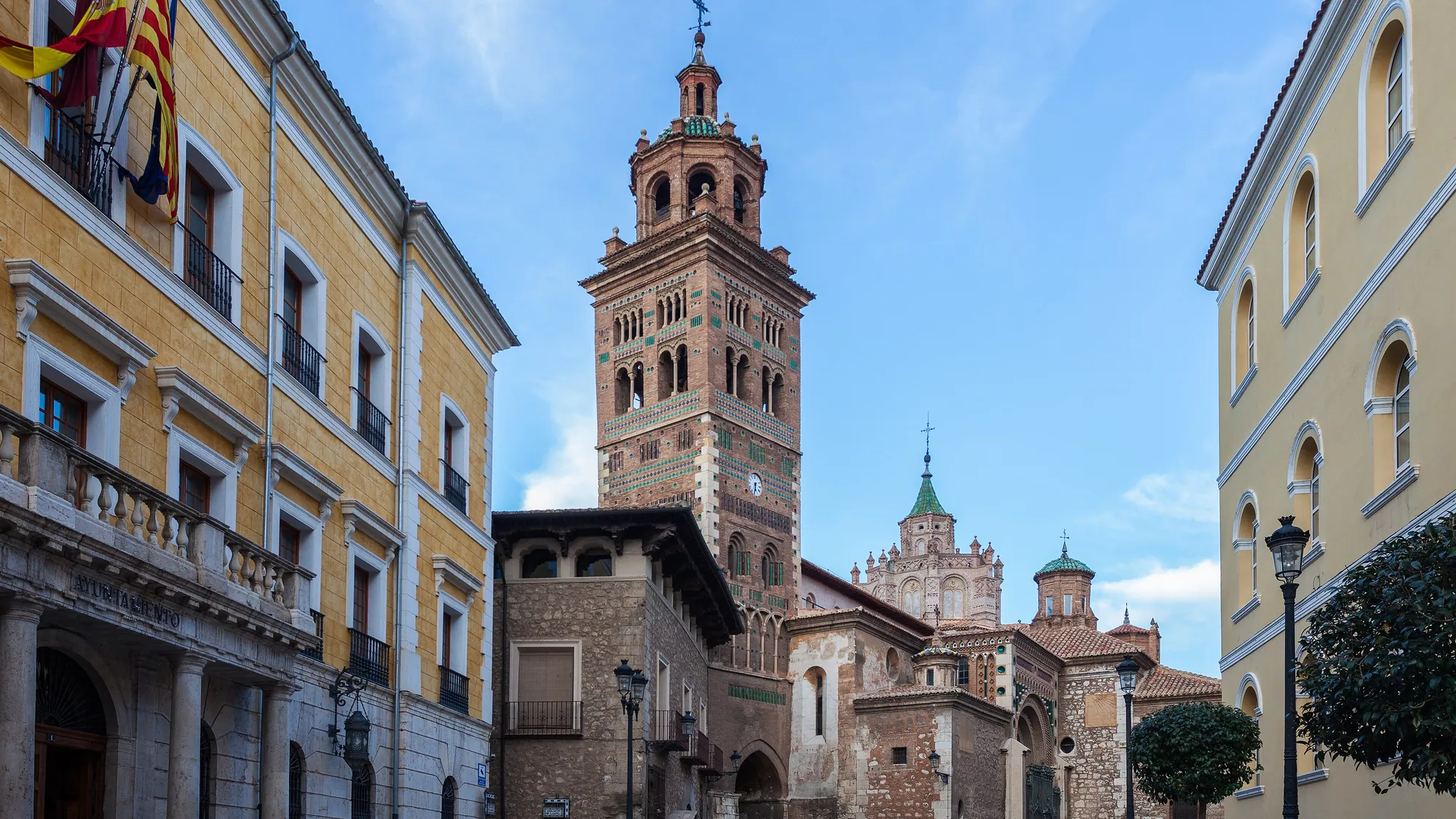
145 km away · AragonTeruel's brick and glazed-tile Mudéjar towers and its cathedral's painted wooden ceiling are part of a UNESCO site; the town is also known for the legend of the Lovers of Teruel.
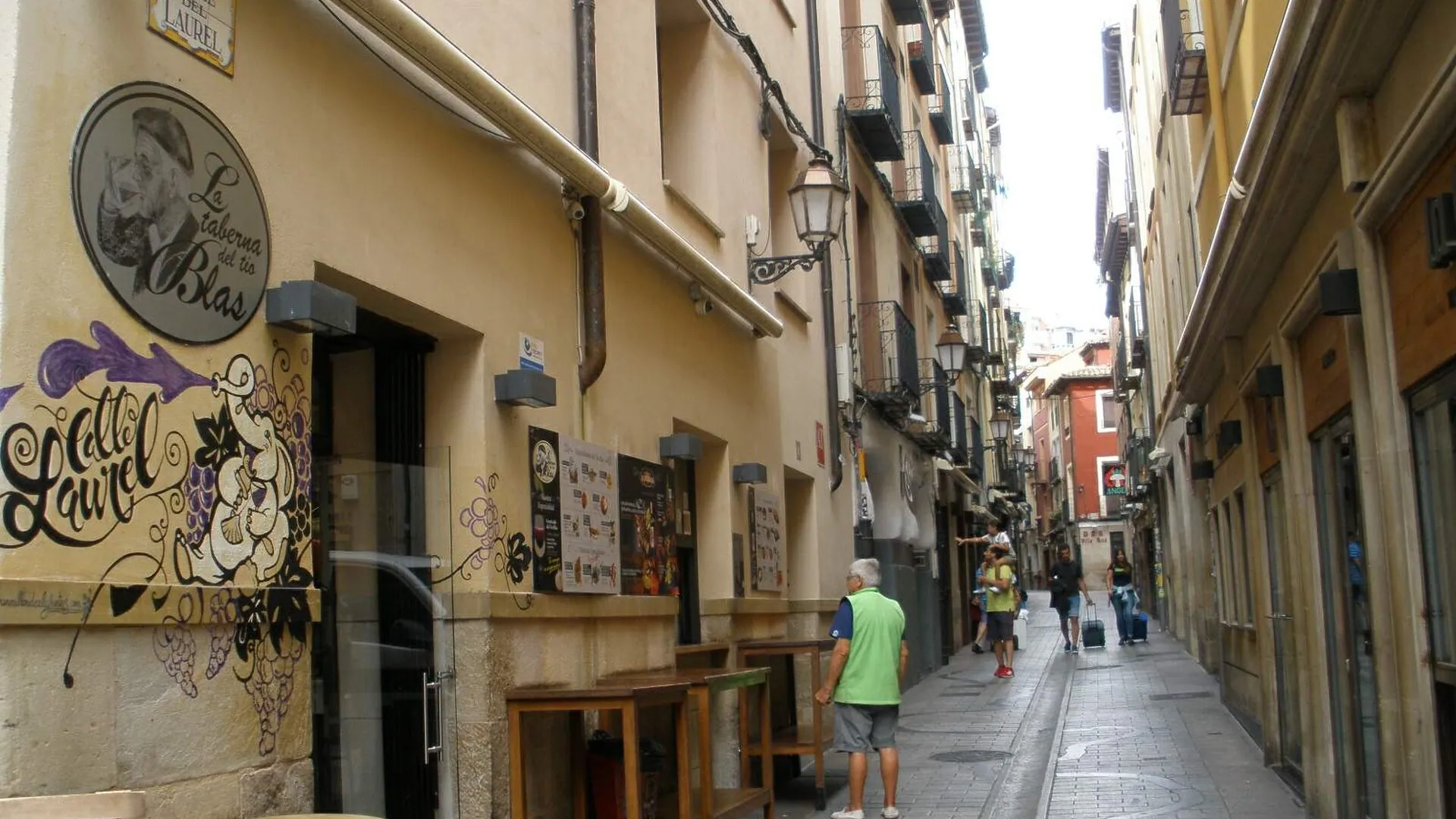
155 km away · La RiojaA short street and its neighbour, Calle San Juan, in old Logroño lined with tapas bars, each known for one speciality, served with a glass of Rioja wine.
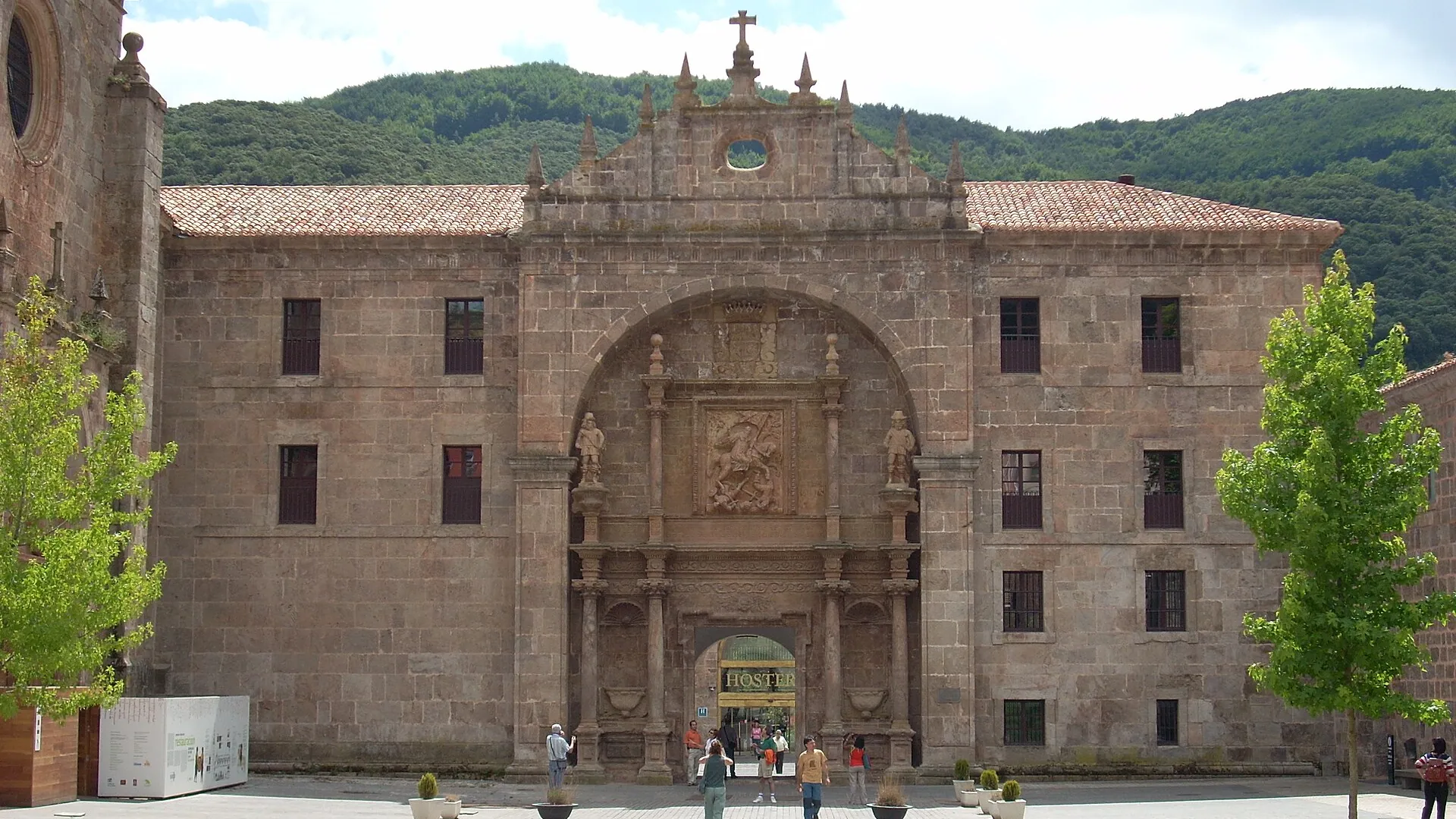
180 km away · La RiojaTwo monasteries at San Millán de la Cogolla, a UNESCO site seen as a cradle of the Spanish language, where some of the earliest written words in Castilian and Basque were found.
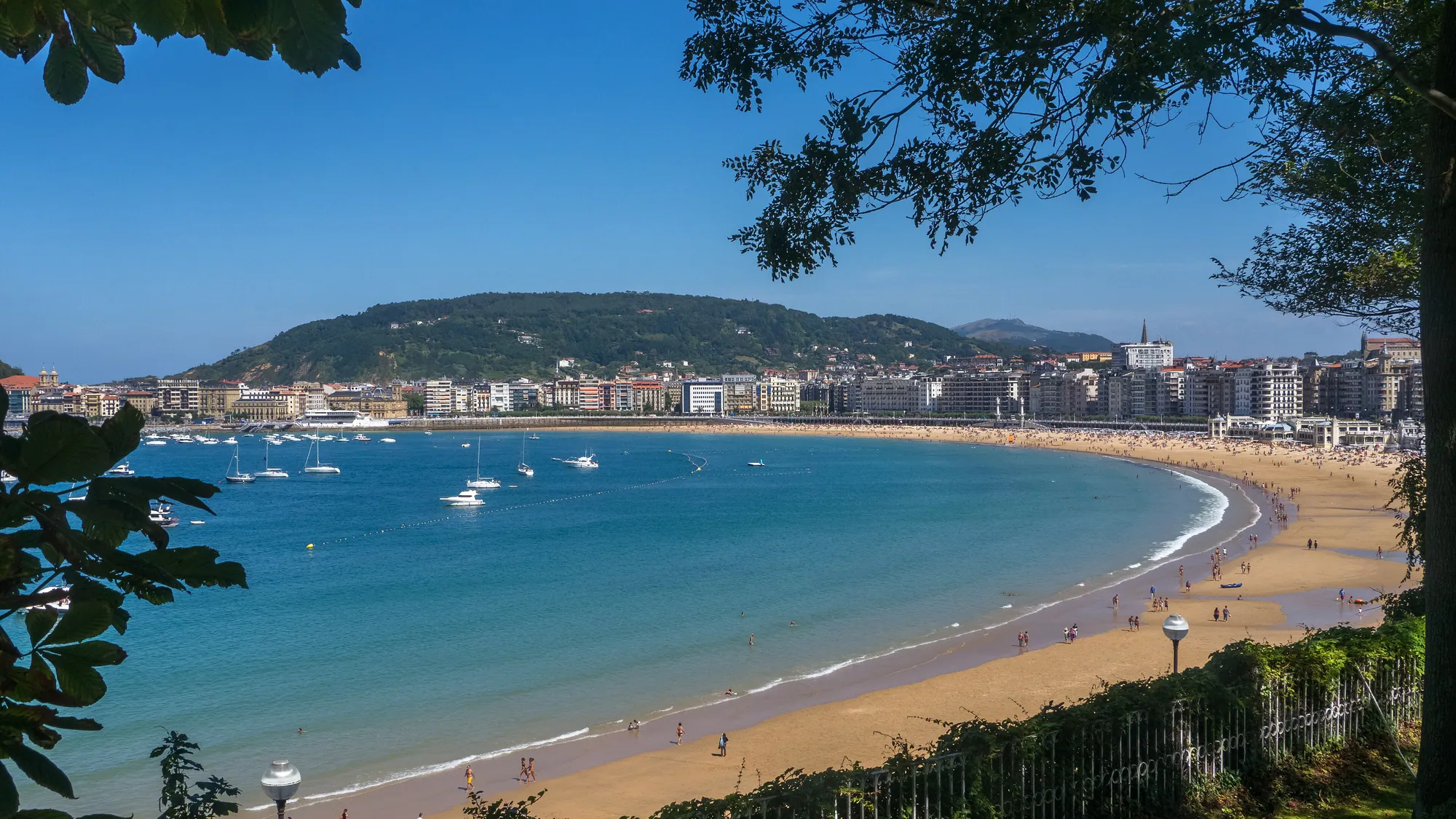
205 km away · Basque CountrySan Sebastián's shell-shaped city beach, framed by Monte Urgull, Monte Igueldo and Santa Clara island, with a white-railed promenade that runs its full length.
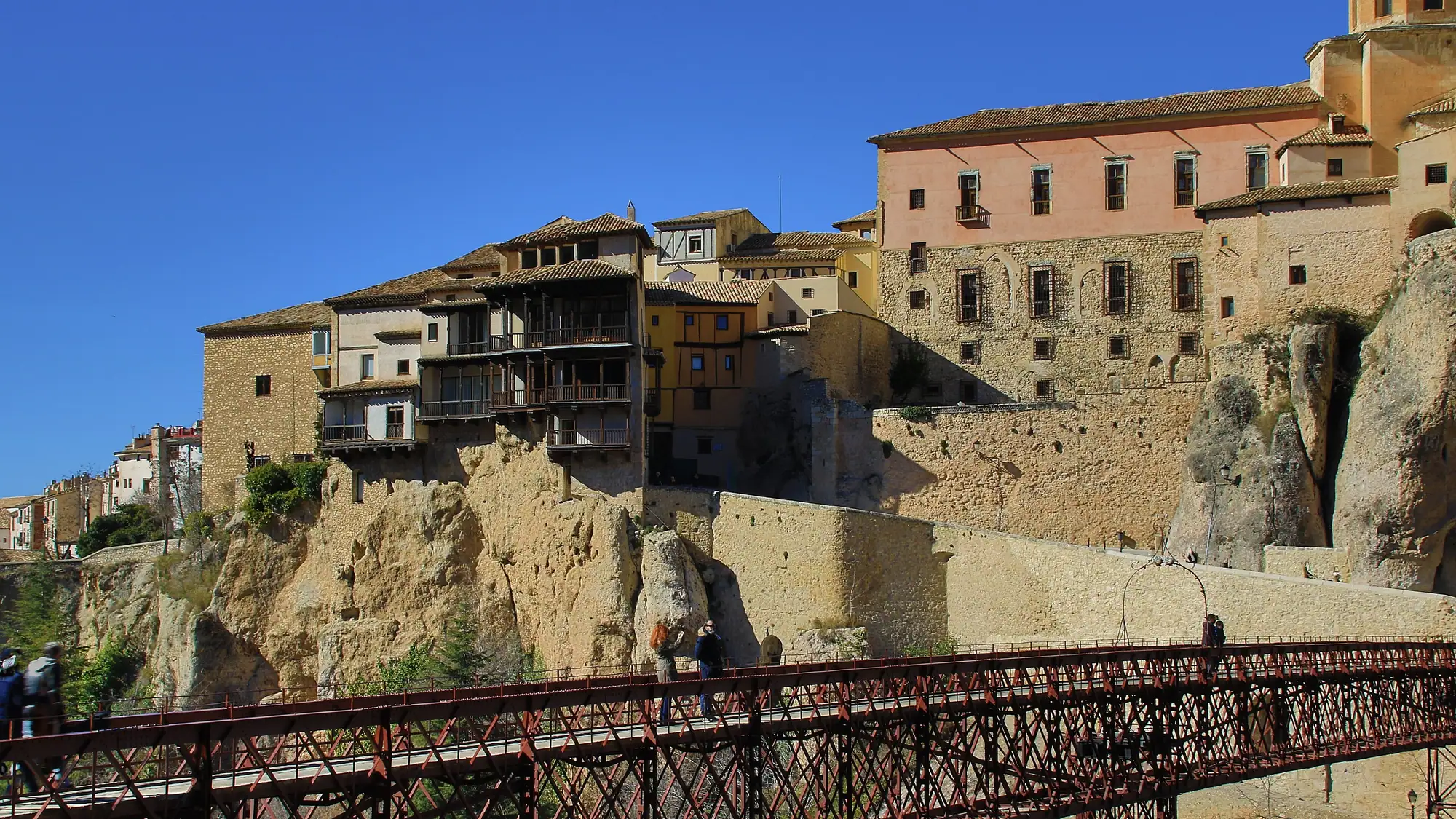
205 km away · Castilla-La ManchaHouses perched on the cliff edge of the Huécar gorge in the UNESCO city of Cuenca, one of them home to the Museum of Spanish Abstract Art, best seen from the San Pablo bridge.
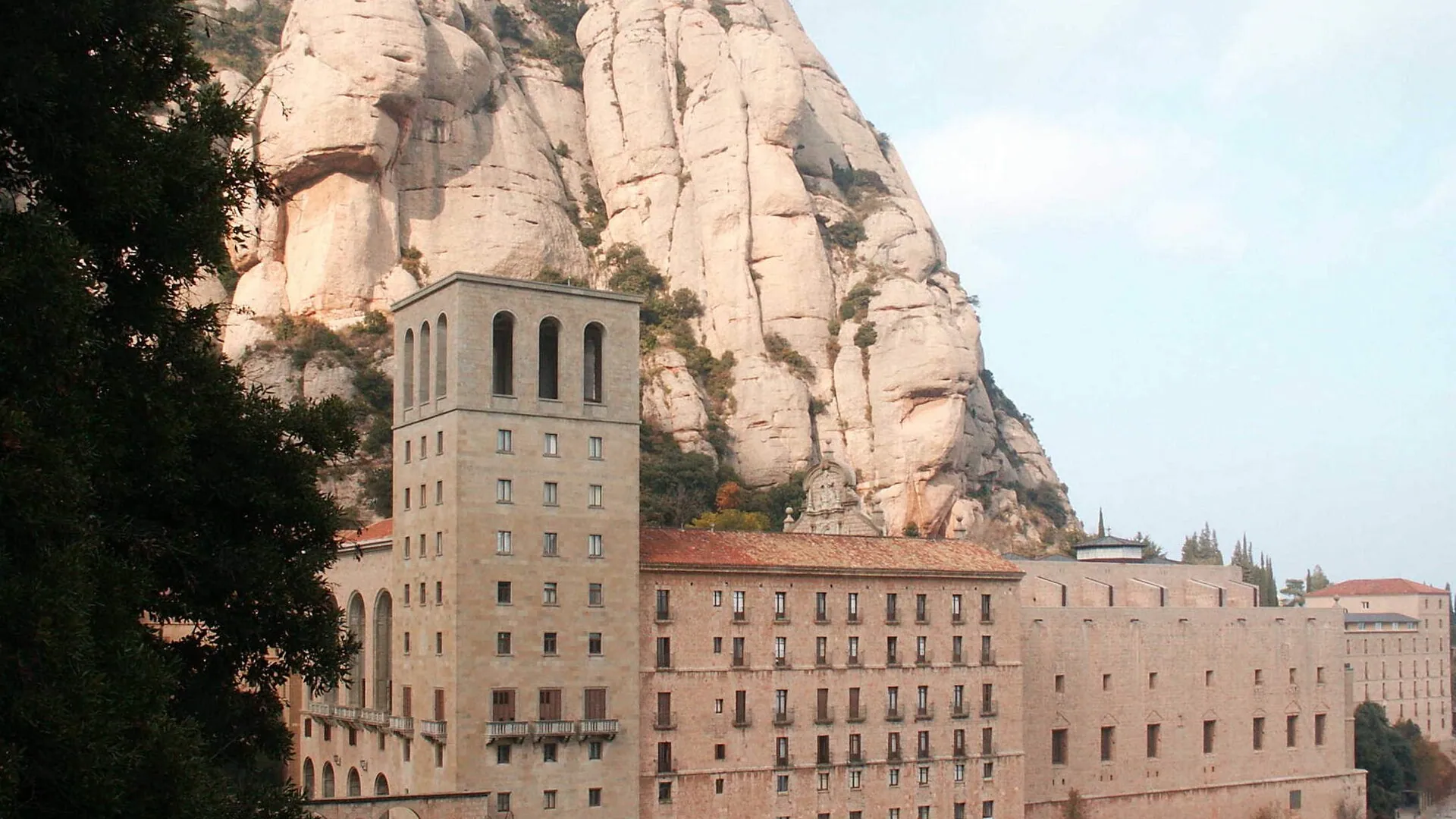
225 km away · CataloniaA serrated mountain about an hour from Barcelona with a Benedictine monastery that keeps the Black Madonna (La Moreneta), reached by rack railway or cable car.
National holidays, the regional days of Aragon and the local holidays of Zaragoza.
Upcoming events and exhibitions, refreshed every day from the official calendars.
 28Nov
Sat, 28 November 2026, 19:00
Auditorio de Zaragoza
 29Nov
Sun, 29 November 2026, 18:30
Auditorio de Zaragoza
 5Dec
Sat, 5 December 2026, 19:00
Auditorio de Zaragoza
 14Dec
Mon, 14 December 2026, 19:30
Auditorio de Zaragoza
 21Dec
Mon, 21 December 2026, 19:00
Auditorio de Zaragoza
 26Dec
Sat, 26 December 2026, 19:30
Auditorio de Zaragoza
Local services. National numbers such as 112, 091, 062 and 016 work everywhere in Spain.