




Culture and Etiquette in Spain
How everyday life works in Spain: greetings and two kisses, late meal times, tipping, the sobremesa, Catalan, Basque, Galician and Valencian and how to use them politely, fiestas, religion and churches, noise and neighbours, punctuality, dress, regional identities, the bullfighting debate and LGBTQ+ rights.
Last reviewed 26 Nov 2026
Spain is warm, sociable and relaxed, and most people are happy to help a newcomer find their feet. A few customs, though, are different enough from northern Europe, the Americas or Asia to catch you out: the late meal times, the greetings, and the strong regional identities. This guide covers the everyday etiquette that helps you fit in, as of 26 November 2026. Spain is diverse, so what holds in Madrid may differ in Bilbao, Seville or Palma.
Greetings
- Two kisses (dos besos): friends, family and people being introduced socially usually greet with a light kiss on each cheek, starting with the other person's right cheek (you move to your left). It is more a touch of cheeks with a kiss sound than a real kiss. Women greet women and men this way; men greeting men usually shake hands or hug, though close male friends and family often kiss too.
- Handshakes: the norm in business, with officials, and when meeting someone formally for the first time. If you are not sure, offer a hand and let the other person lead.
- Saying hello: greet people when you walk into a small shop, a lift, a waiting room or a doctor's surgery with "buenos días" (until lunch) or "buenas tardes" (afternoon and early evening). A simple "hola" works almost everywhere. Say "adiós" or "hasta luego" when you leave.
- Tú and usted: Spain uses the informal "tú" widely, even with strangers of a similar age. Use the formal "usted" with older people, officials and in formal settings until invited to switch.
Meal times
Spanish meal times are later than in most countries, and planning around them makes life easier.
| Meal | Typical time | What it is |
|---|---|---|
| Breakfast (desayuno) | 07:00 to 09:00 | light: coffee and toast or a pastry |
| Mid-morning (almuerzo) | 10:30 to 12:00 | a coffee or small sandwich, especially in the east |
| Lunch (comida) | 14:00 to 16:00 | the main meal of the day |
| Afternoon snack (merienda) | 17:30 to 19:00 | popular with children |
| Dinner (cena) | 21:00 to 23:00 | lighter than lunch, later in summer and in the south |
Many restaurants serve lunch only from about 13:30 and dinner from about 20:30. In tourist areas, kitchens open earlier. The menú del día, a set lunch with a starter, main, dessert, bread and a drink, is a weekday tradition and good value.
Tapas culture varies: in some cities, especially in Granada and parts of Castile and León, a small tapa comes free with a drink. In the Basque Country and Navarre, bars line up pintxos on the counter and you pay by the piece.
Sobremesa
After a meal, Spaniards often stay at the table for a long time talking, over coffee or a digestif. This is the sobremesa, and it is a valued part of the culture. Do not rush to leave or ask for the bill straight away at a social meal, and expect a waiter not to bring the bill until you ask for it ("la cuenta, por favor"). Bringing it unasked would be rude.
Tipping
Tipping is not obligatory in Spain, and service is not usually added to the bill. By law, prices shown to consumers include taxes. Customs as of 2026:
- Bars and cafés: leave the small change or round up.
- Restaurants: many people leave nothing or round up; for good service at a sit-down meal, 5% to 10% is generous. Visitors often tip more than locals.
- Taxis: round up to the nearest euro or so.
- Hotels: a euro or two for a porter, and a small amount for housekeeping if you wish.
Our tipping calculator suggests amounts in line with local custom.
Languages by region
Spanish (castellano) is the official language of the whole country. The Spanish Constitution (article 3) also lets the autonomous communities make their own languages co-official:
| Language | Where it is co-official |
|---|---|
| Catalan (català) | Catalonia and the Balearic Islands |
| Valencian (valencià) | the Valencian Community, where Catalan is known by this name |
| Basque (euskara) | the Basque Country and the Basque-speaking area of Navarre |
| Galician (galego) | Galicia |
| Aranese (Occitan) | the Val d'Aran in Catalonia |
Asturian and Aragonese are protected in their regions but are not co-official.
Using them politely
- Everyone in these regions also speaks Spanish, and nobody will mind if you use it.
- Learning a few words, such as "bon dia" and "gràcies" in Catalan, "kaixo" and "eskerrik asko" in Basque, or "bo día" and "grazas" in Galician, is appreciated and often earns a smile.
- Do not describe these languages as dialects of Spanish. They are languages in their own right, and many people feel strongly about them.
- Public signs, school lessons and official forms often appear in the regional language first. Children in public schools are taught in it, see our schools and education guide.
- If you plan to settle, especially in Catalonia, the Basque Country or the Valencian Community, free or low-cost regional language courses are widely available.
Regional identities
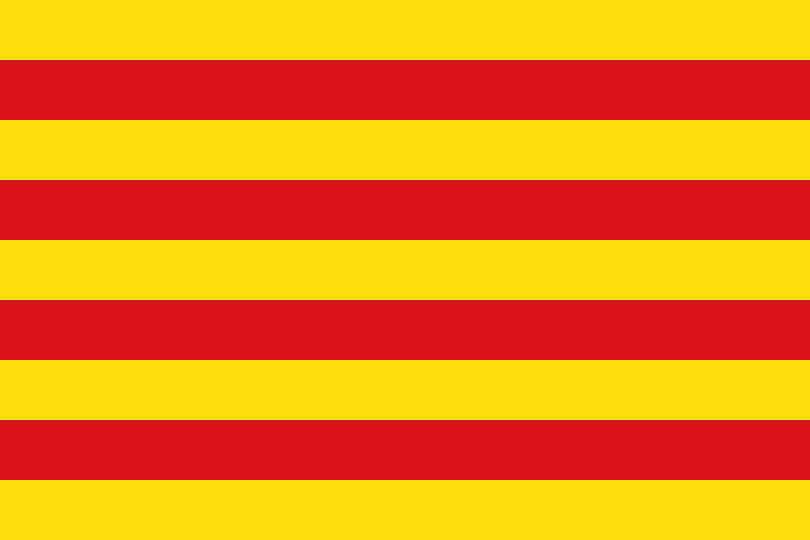
Spain is a country of strong regional identities, and many people feel as much Catalan, Basque, Galician or Andalusian as Spanish, or more. Independence movements, especially in Catalonia, are a sensitive topic. As a newcomer, it is wise to listen rather than offer opinions, and avoid generalisations about any region. Each region has its own day, its own flag and often its own holiday calendar: see public holidays.
Fiestas and celebrations
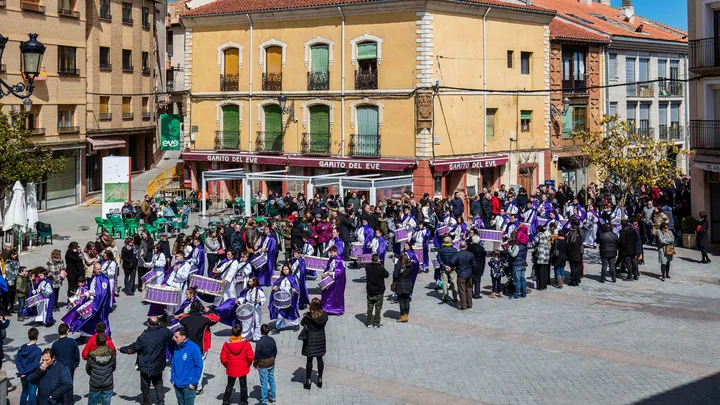
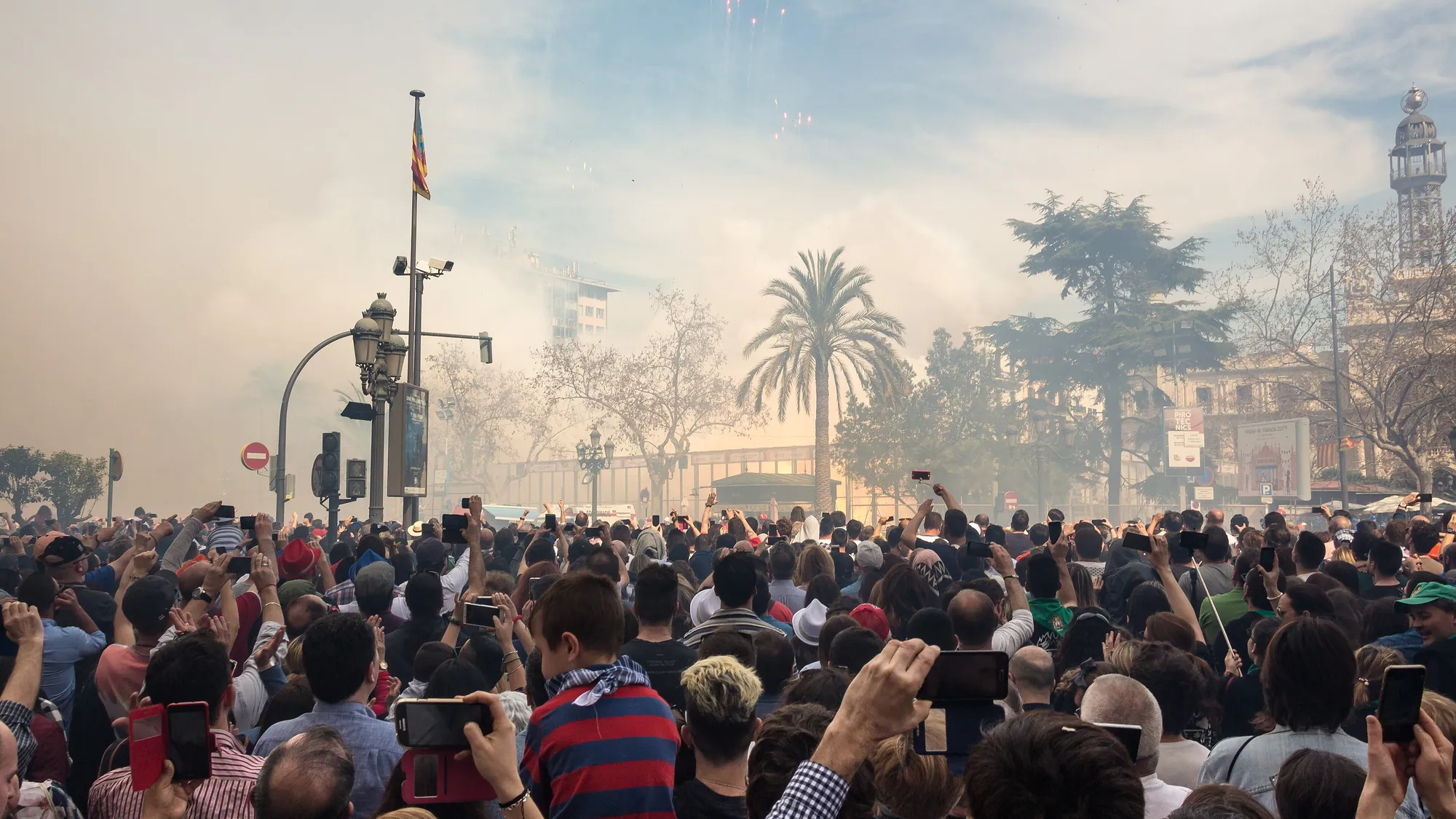
Every city, town and village has at least one fiesta a year, often in honour of its patron saint, with processions, music, fireworks, giant figures and late nights. Some of the best known are Fallas in Valencia (March), Semana Santa across the country (Holy Week), the Feria de Abril in Seville, San Fermín in Pamplona (July), Sant Joan on the night of 23 June along the Mediterranean, and La Mercè in Barcelona (September). Our weather and when to visit guide lists the big ones by month, and the events page shows what is coming up.
At a local fiesta, join in, respect processions (do not cut through them or block them), and expect noise until the early hours.
Religion and churches
Spain has a strong Catholic heritage, visible in its churches, festivals and holidays, but the Constitution (article 16) makes it a non-confessional state with freedom of religion. Many Spaniards are not practising. The state has cooperation agreements with the Islamic, Jewish and Protestant communities, and there are mosques, synagogues and churches of many denominations in larger cities. For Muslim prayer times in your city, see prayer times.
When visiting a church or cathedral:
- cover your shoulders and avoid very short shorts or swimwear,
- keep your voice down and phones on silent,
- do not walk around during a Mass, and check whether photography is allowed,
- many major cathedrals charge an entry fee for tourist visits outside service times.
Noise and neighbours
Most Spaniards live in flats, and life is lived outdoors and late. Even so, neighbours expect rest at night. Town hall by-laws (ordenanzas municipales) set quiet hours and noise limits, and the community of owners in your building can have its own rules. As a general guide:
- keep music and voices down late at night, often from around 23:00 until 08:00, though the exact hours depend on the town,
- avoid moving furniture or drilling at night, during the afternoon rest hours or on Sunday mornings,
- greet your neighbours in the lift and on the stairs: it goes a long way.
In smaller towns many shops close for a few hours in the afternoon (often 14:00 to 17:00) and stay open until about 20:00 or 21:00. Sunday opening rules for shops are set by each region and vary widely.
Punctuality
Social plans run on relaxed time: arriving 10 to 15 minutes after the agreed time for a dinner or a party is normal. Business meetings, medical appointments, official appointments (cita previa) and trains, however, are punctual, so be on time. If you are invited to someone's home, bring something small such as wine, sweets or flowers.
Dress
Spaniards tend to dress neatly, especially in cities. Swimwear and going shirtless belong on the beach: Barcelona, for example, fines people for walking its streets in swimwear, and other coastal towns have similar rules. Smart casual works for most restaurants and offices.
Smoking and drinking
Smoking is banned in enclosed public places, including bars and restaurants (Ley 28/2005), and rules on outdoor terraces have been tightening, so check the signs. Wine and beer with meals are normal, but public drunkenness is frowned upon. Many cities ban drinking in the street (the botellón).
The bullfighting debate
Bullfighting (la corrida de toros) divides opinion in Spain. A national law (Ley 18/2013) recognises it as cultural heritage, and it still takes place in many parts of the country, especially during summer fiestas. At the same time, opposition has grown, attendance is much lower among younger people, and the Canary Islands banned it in 1991. Catalonia banned it in 2010, but the Constitutional Court annulled that ban in 2016, and bullfights have not returned to Barcelona's bullrings. Whether to attend is a personal choice, and it is a topic best discussed with care.
LGBTQ+ rights
Spain is one of the most LGBTQ+ friendly countries in the world. Same-sex marriage has been legal since 2005 (Ley 13/2005), including adoption, and the law on trans equality and LGBTI rights (Ley 4/2023) allows gender self-determination and protects against discrimination. Madrid's Pride (MADO), held in early July, is one of the largest in Europe, and Barcelona, Sitges, Torremolinos, Maspalomas and Ibiza are well known for their LGBTQ+ scenes. Attitudes in small rural towns can be more conservative, but discrimination and hate crimes are against the law. See our safety and security guide for how to report them.
Frequently asked questions
Do I have to kiss people on both cheeks?
No. It is the normal social greeting, but you can offer a handshake, especially in business or with people you have just met. Most Spaniards will follow your lead.
What time do people eat dinner in Spain?
Usually between 21:00 and 23:00, and later in summer and in the south. Lunch, the main meal, is around 14:00 to 16:00. Restaurants in tourist areas open earlier.
Is tipping expected in Spain?
No. Service is not added to the bill, and tipping is a small extra for good service. Rounding up in bars and leaving 5% to 10% at a nice restaurant is plenty.
Will people mind if I speak Spanish in Catalonia or the Basque Country?
No. Everyone speaks Spanish too, and you can use it everywhere. Learning a few words of Catalan, Basque, Valencian or Galician is still a friendly gesture that people appreciate.
Is Spain safe for LGBTQ+ visitors and residents?
Yes, generally very much so. Same-sex marriage has been legal since 2005, anti-discrimination law is strong, and big cities have lively LGBTQ+ communities. Rural areas can be more conservative.
Daleel ES is a guide, not legal, financial or immigration advice. Rules change; confirm with the authority named before you act. Spotted an error? Tell us.