








Moving to Valencia in 2026: Neighbourhoods, Rent, Transport and Paperwork
A practical 2026 guide to moving to Valencia: neighbourhoods, rents of about €16 to €17 per square metre, transport, healthcare, schools and first steps.

Valencia, Spain's third city, has become one of the most popular places in Europe for people moving from abroad. It offers a long beach within the city limits, a mild climate, a compact centre you can cross by bike and a pace of life that many find easier than Madrid or Barcelona. It is also the capital of the Valencian Community, with its own language, Valencian, and a strong local identity.
That popularity has a cost: rents have risen fast, and good flats go quickly. This guide covers what to know before you move, as of 26 November 2026. For local services and listings, see the Valencia city page and our directory.
Why people choose Valencia
- Climate: mild winters and hot, humid summers. It rarely gets very cold, though autumn can bring intense storms.
- Size: a city of around 800,000 people, big enough for good services and culture, small enough to feel manageable.
- The Turia Gardens: a park of about 9 kilometres built in the old riverbed, which runs through the city and links many neighbourhoods by foot and bike.
- The sea: the city beaches of Malvarrosa, Las Arenas and Pinedo, plus the Albufera natural park just south of the city.
- Connections: high-speed trains to Madrid in under two hours, an international airport linked by metro, and a big port.
- Food: this is the home of paella, horchata and a long tradition of market produce, with the Mercado Central as its showpiece.
Neighbourhoods at a glance
Every barrio has its own character. A quick guide:
| Area | Character | Good for |
|---|---|---|
| Ruzafa (Russafa) | Lively, creative, full of cafés and restaurants | Young professionals; can be noisy at night |
| Ciutat Vella (El Carmen and the old town) | Historic streets, monuments, nightlife in El Carmen | People who want to live in the heart of things |
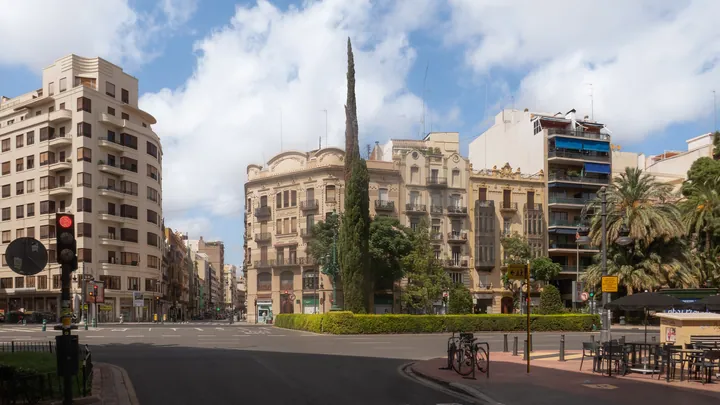
| Eixample and Gran Vía | Elegant older buildings, central and well served | Families and professionals with a bigger budget |
| Benimaclet | Village feel, near the universities | Students, young families, a slower pace |
| El Cabanyal and the beach area | Former fishing district, colourful houses, close to the sea | Beach lovers; parts are changing quickly |
| Campanar and Benicalap | Modern blocks, parks, the Nuevo Centro area | Families wanting newer flats and parking |
| Patraix and Jesús | Residential, local shops, more affordable | Better value while staying in the city |
| Penya-roja and the City of Arts and Sciences | Modern towers, wide avenues, near the Turia | People who want new buildings and space |
Many people also live in nearby towns with metro or tram links, such as Burjassot, Paterna, Alboraya and Mislata, where rents are usually lower.
Rent: what to expect
Rents in Valencia rose sharply between 2021 and 2025, and in 2026 they are close to record highs, with signs of levelling off in some data. Listing portals put average asking rents in the city at about €16 to €17 per square metre a month in 2026, so a 75 square metre flat would typically be advertised at roughly €1,200 to €1,300. Central and beach areas cost more, outer districts and nearby towns less. These are asking prices from private portals, not signed contracts, so treat them as a guide and check current listings before you rely on them.
Tips for flat hunting:
- Move fast. Good flats often let within days. Have your documents ready: passport or NIE, proof of income or employment, and bank statements.
- Visit in person before paying anything. Never send money for a flat you have not seen or to a landlord you cannot verify.
- Know the rules. Under Spain's Housing Law, the landlord pays agency fees, the legal deposit is one month's rent, and extra guarantees are capped at two months on standard long-term contracts.
- Furnished or unfurnished: both are common; furnished flats usually cost more.
- Tourist flats: Valencia has tightened rules on new holiday lets, so watch out for "seasonal" contracts used to avoid long-term protections.
Our guide to renting a home explains contracts, deposits and your rights, and the cost of living tool helps you build a budget.
Getting around
Valencia is flat and compact, so many people walk, cycle or use scooters for daily life.
- EMT buses: the city bus network, operated by EMT València (emtvalencia.es), covers every neighbourhood, with night services. A single ticket costs around €1.50, and cards and passes bring the price down.
- Metrovalencia: the metro and tram network (metrovalencia.es), run by FGV, links the centre with the airport (lines 3 and 5), the beach (trams to Malvarrosa and Cabanyal) and towns around the city. Fares depend on zones.
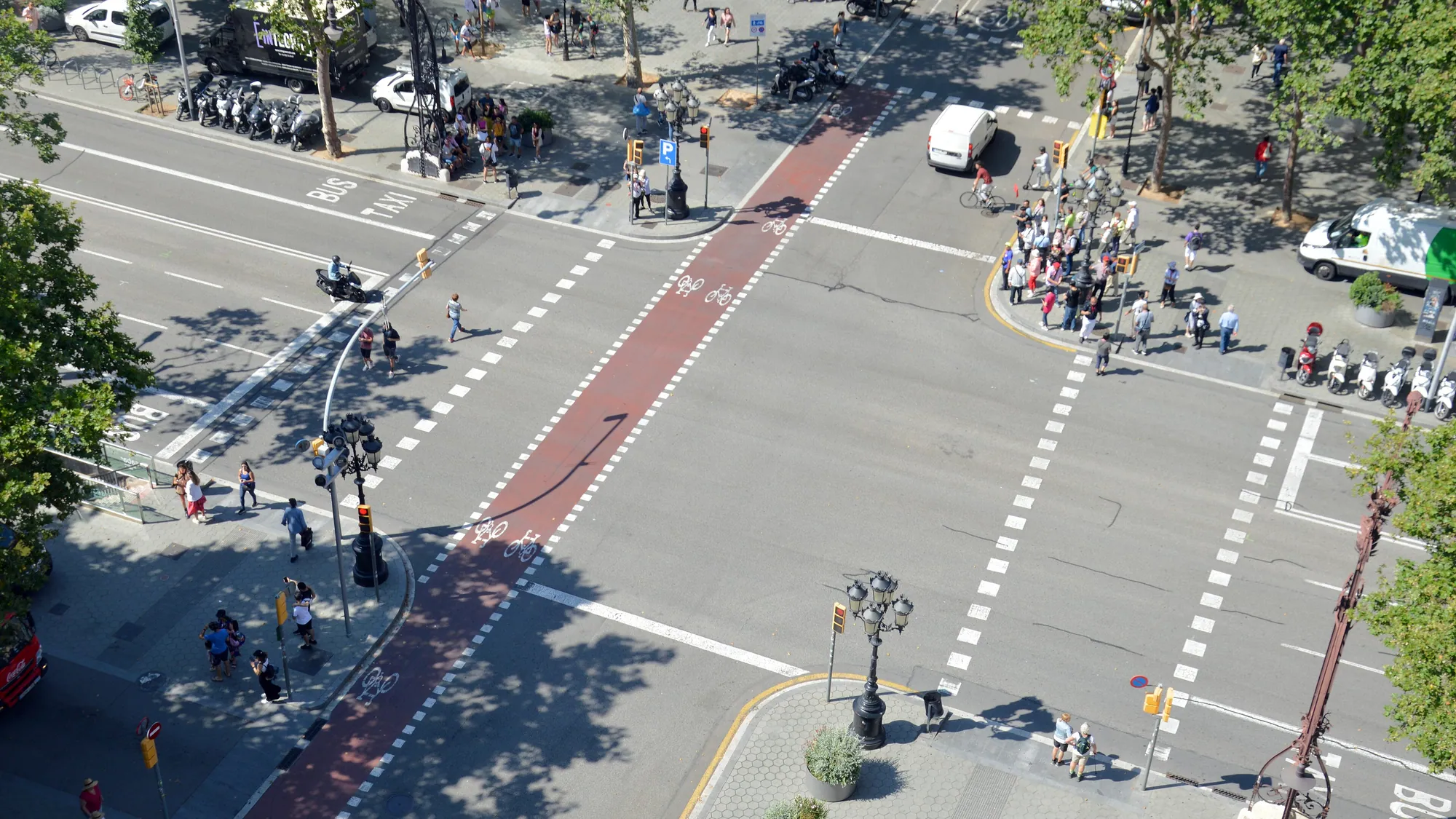
- Valenbisi: the public bike-share scheme, with an annual subscription and stations all over the city. There is a large network of bike lanes.
- Trains: Renfe Cercanías links the suburbs and nearby towns, and high-speed trains leave from Joaquín Sorolla station for Madrid and other cities.
Check current fares and passes with the operators, as prices and regional discounts change, and compare with our metro fare tool. If you plan to drive, read our driving and transport guide: Valencia is phasing in a low emission zone (zona de bajas emisiones), so check the current rules for your car, and parking in the centre is limited.
Paperwork in your first weeks
- Register on the padrón at Valencia City Council (valencia.es). You need an appointment, your passport or ID, and your rental contract.
- Residence: non-EU nationals with a visa apply for their TIE within one month of arrival; EU citizens apply for the green registration certificate. Our NIE, TIE and empadronamiento guide explains each step.
- Social Security number if you will work, and registration with the tax office.
- Bank account and utility contracts.
Appointments in Valencia can take time, so start booking as soon as you have an address. Our moving to Spain checklist covers the full list.
Healthcare
The regional health service, the Conselleria de Sanitat, issues a SIP card (tarjeta SIP) to people entitled to public healthcare, usually through work, Social Security or as a family member. With it you register at your local health centre (centro de salud) and get a family doctor. Many newcomers, and anyone on a non-lucrative or digital nomad permit, also take private health insurance. Read our healthcare and health insurance guide.
Schools and language
Both Valencian and Spanish (Castilian) are official in the region. Public and state-funded (concertado) schools teach in both, and families can choose the main language of instruction under the regional rules. There are also many private and international schools, especially in the north of the city and towns such as Godella and Rocafort. Learning some Spanish, and a little Valencian, helps a lot with daily life. See schools and education.
Work and money
Valencia's economy rests on services, tourism, the port, logistics, agriculture and a growing technology and start-up scene. Local salaries are usually lower than in Madrid or Barcelona, which is why many newcomers work remotely for employers abroad. If that is you, read our guide to the digital nomad visa. Income tax is shared between the State and the region, and the Valencian Community's scale differs from others; estimate it with our net salary calculator.
Life in the city
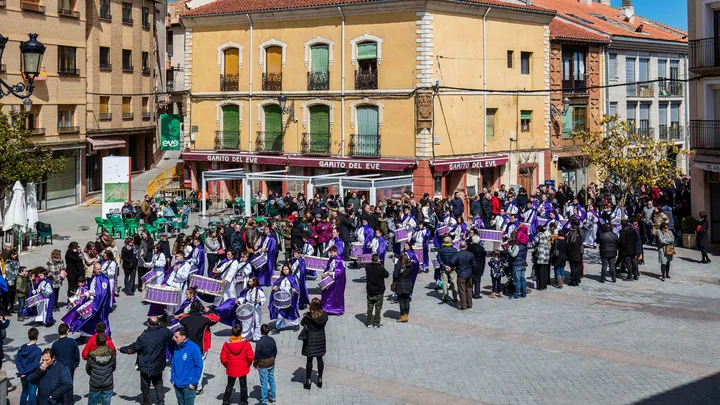
- Fallas: the city's biggest festival peaks from 15 to 19 March, with giant sculptures, fireworks and the nightly mascletà. It is spectacular and very loud, and some streets close. St Joseph's Day, 19 March, is a regional holiday; in 2027 it falls on a Friday. See our 2027 holidays post.
- Summer: July and August are hot and humid, and many locals leave for the coast or the mountains.
- Weather risks: the Mediterranean coast can see sudden, extreme rain in autumn (known as DANA). The floods of October 2024 caused severe damage in towns south of the city. Follow AEMET warnings on aemet.es and the regional emergency alerts, and check flood risk when choosing a home, especially a ground-floor flat or one near a ravine (barranco). Keep Spain's emergency numbers on your phone.
- Getting out: day trips to the Albufera, Sagunto, Xàtiva, the beaches of the Costa Blanca and the mountains inland are easy.
Frequently asked questions
How much does it cost to rent in Valencia in 2026?
Listing portals put average asking rents in the city at about €16 to €17 per square metre a month in 2026, so a 75 square metre flat is typically advertised at around €1,200 to €1,300. Central and beach districts cost more, outer areas and nearby towns less. Check current listings before you decide.
What are the best neighbourhoods in Valencia for expats?
It depends on your lifestyle. Ruzafa and El Carmen suit people who want restaurants and nightlife, the Eixample suits those with a bigger budget, Benimaclet has a village feel, the beach area suits sea lovers, and Campanar and Penya-roja offer newer flats.
Do I need to speak Valencian to live in Valencia?
No. Spanish is spoken everywhere and is enough for daily life and most jobs. Valencian is co-official and used in public administration and schools, so learning some will help, especially if you have children in local schools.
How do I get from Valencia airport to the city centre?
Metro lines 3 and 5 run from the airport to the city centre in about 20 to 25 minutes. Taxis wait outside the terminal. Check the current airport fare on metrovalencia.es.
Is Valencia cheaper than Madrid and Barcelona?
Generally yes, especially for rent, although the gap has narrowed. Salaries are also usually lower, so the difference depends on whether you earn locally or remotely. Compare cities with our cost of living tool.
Written by Daleel ZA editorial team. Daleel ES is a guide, not legal, financial or immigration advice. Rules change; confirm with the authority named before you act.