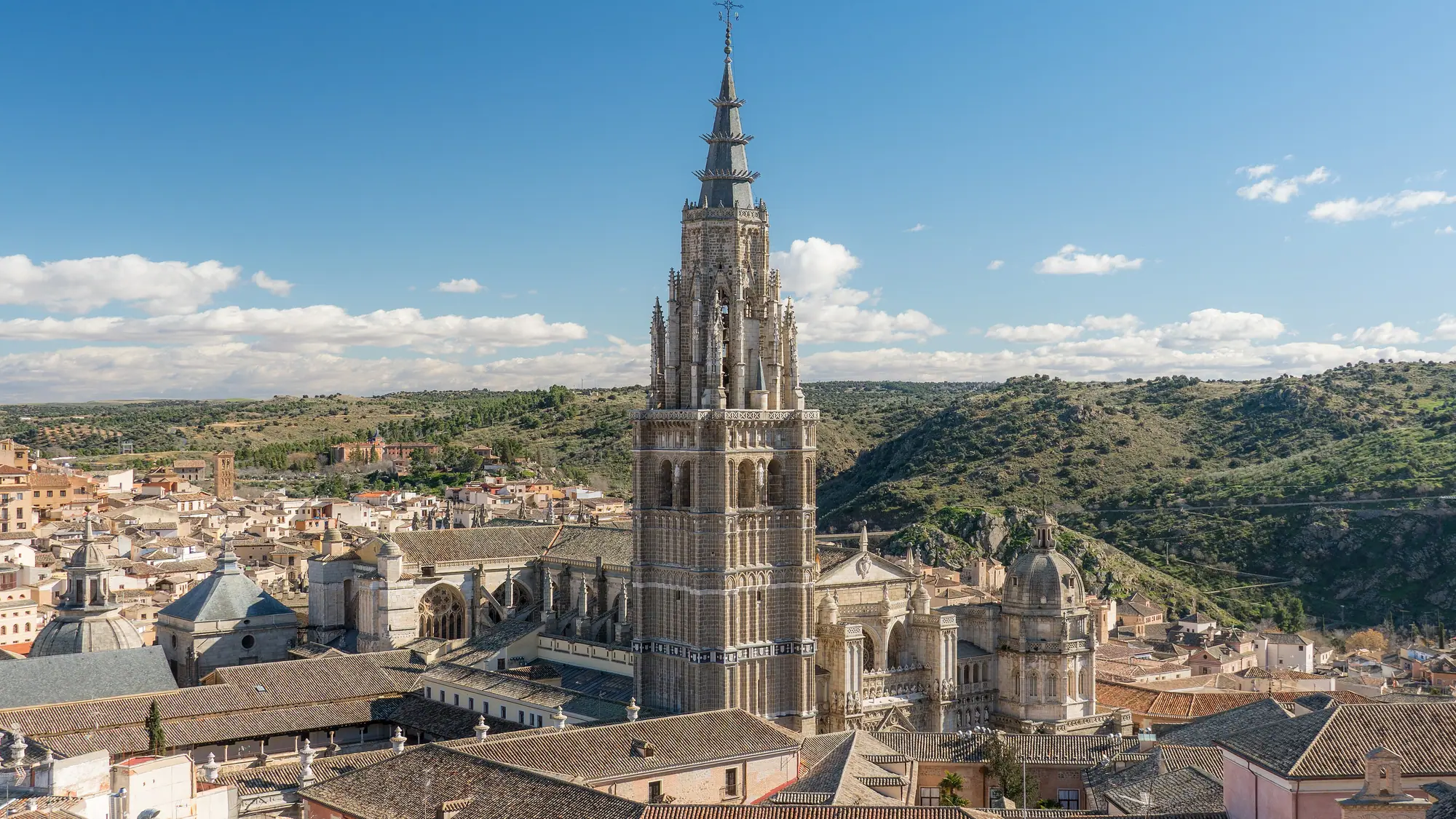








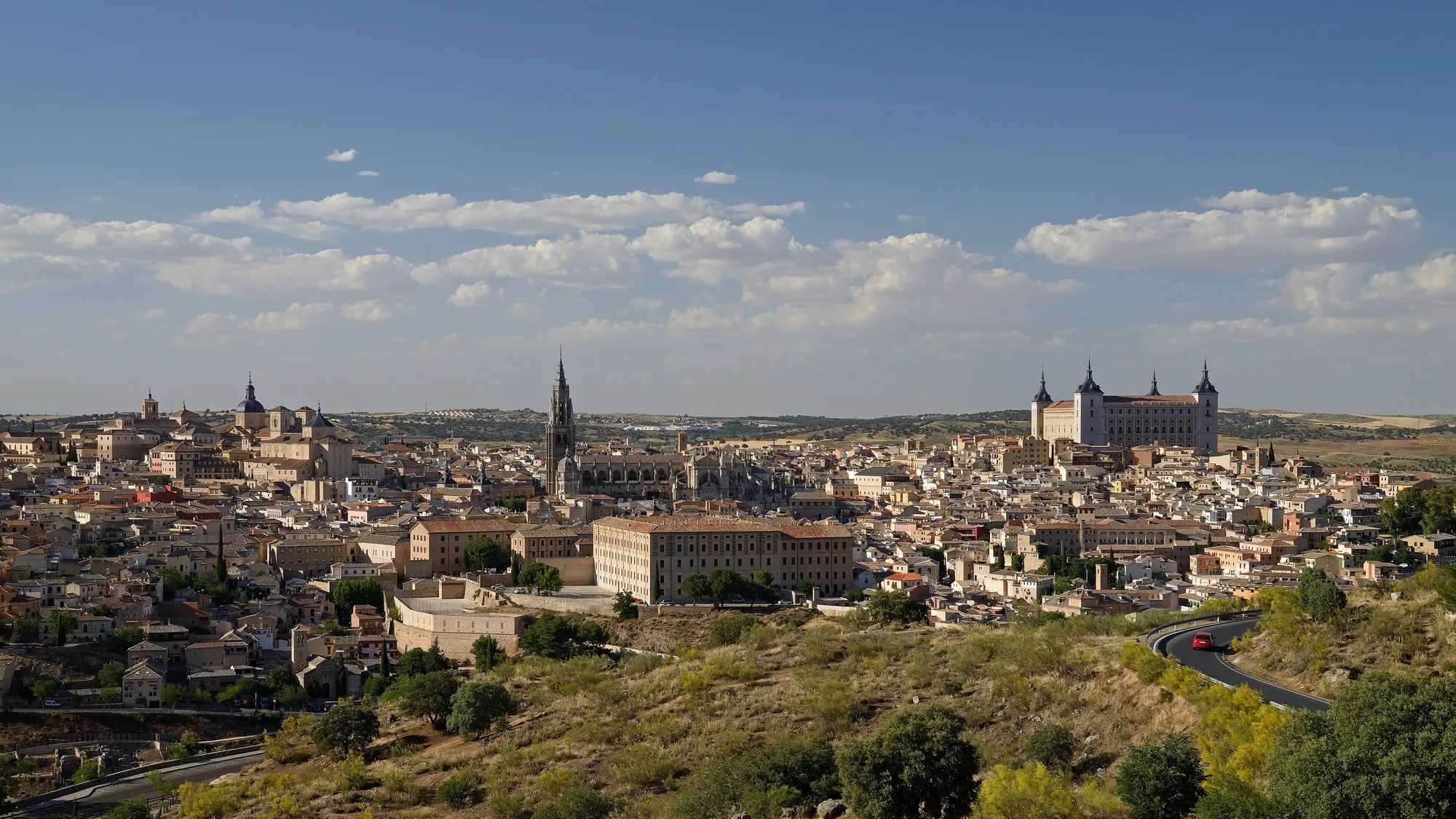
Toledo Old City
The hilltop City of Three Cultures above the Tagus, a UNESCO site where churches, synagogues and mosques share narrow lanes; about 30 minutes from Madrid by high-speed train.
Facts, places, transport, contacts, holidays and events for the 8 main cities, and a page for every autonomous community and autonomous city.
Compare the cities Explore
Select any region on the map of Spain to open its page.
19 free tools for money, work, visas and daily life, built on Spain's own rules and unlocked with a free Daleel Pass.
All tools Unlock everything
Email and mobile once, every tool open for a year.
Emergency services, helplines, ministries, regional governments, town halls, hospitals, universities, embassies and utilities, by city.
Open the directory Save the card
Police, fire and ambulance from any phone, anywhere in Spain, in several languages.
Visas, labour law, renting, healthcare, schools, driving, money, business and culture, explained in plain language.
All guides Start here
The complete checklist, from the NIE and the padrón to your first 90 days.
Concerts, festivals, theatre, culture and the big trade fairs across the main cities, refreshed every day from official venues and calendars.
See all events Events
What's on
Practical articles on living, working, visas, money and travel across Spain.
Read the blog New
The latest from the blog.
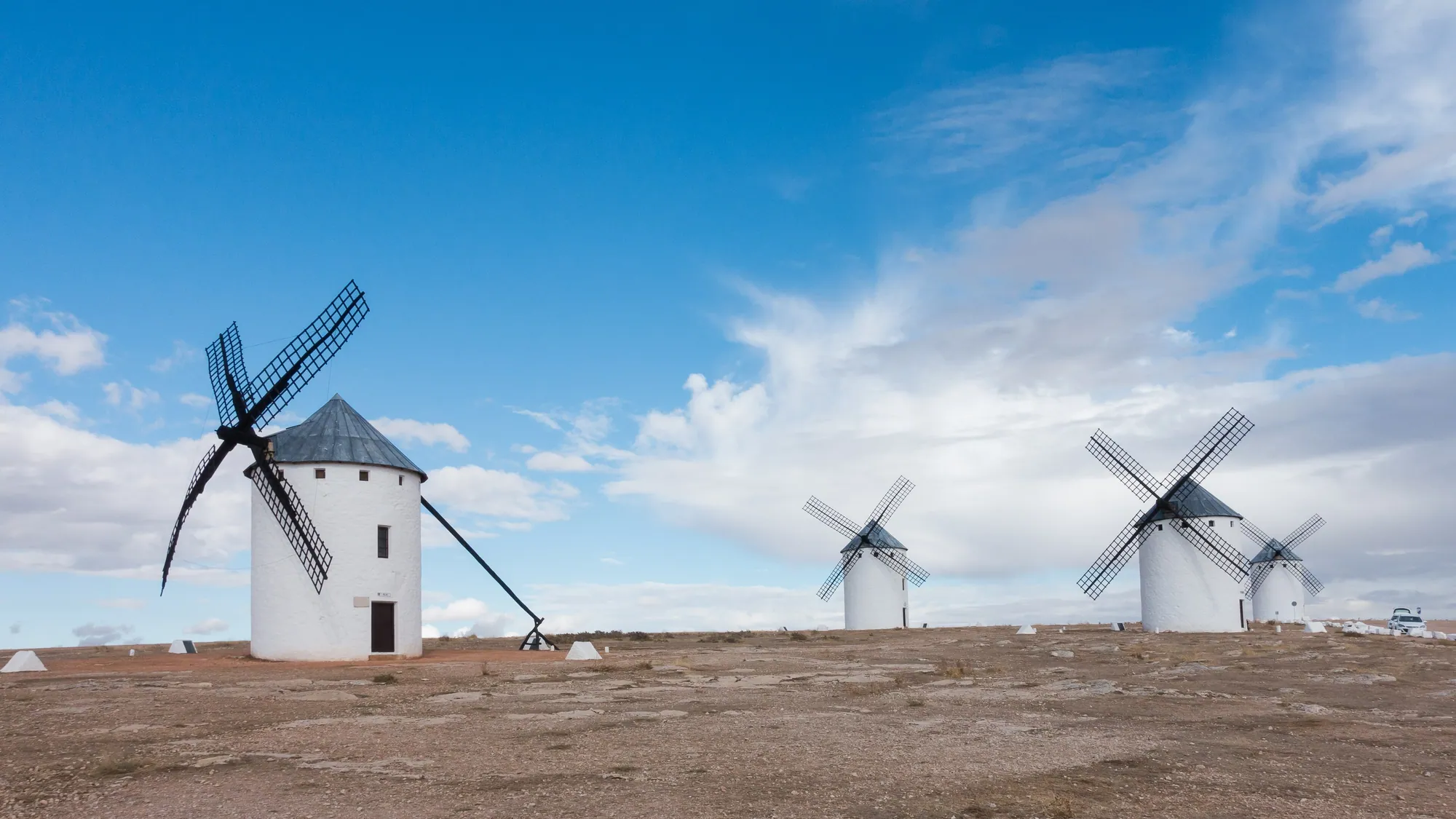
Castilla-La Mancha is a large inland region south of Madrid, known for Toledo, the windmills of Don Quixote, Cuenca's hanging houses and Manchego cheese.
Castilla-La Mancha spreads across the southern half of the central plateau, a land of vineyards, wheat fields and windmills made famous by Cervantes in Don Quixote. Toledo, the regional capital, sits on a hill above the Tagus and is a UNESCO World Heritage Site for its cathedral, synagogues and mosque, a legacy of its Christian, Jewish and Muslim past. Cuenca, with its houses hanging over a gorge, and the mercury mines of Almadén are also listed.
The region borders Madrid, and many people commute from Toledo or Guadalajara by high-speed train. It has no major airport of its own, so most travellers fly into Madrid-Barajas.
Landmarks, heritage, nature and days out in Castilla-La Mancha.
The hilltop City of Three Cultures above the Tagus, a UNESCO site where churches, synagogues and mosques share narrow lanes; about 30 minutes from Madrid by high-speed train.
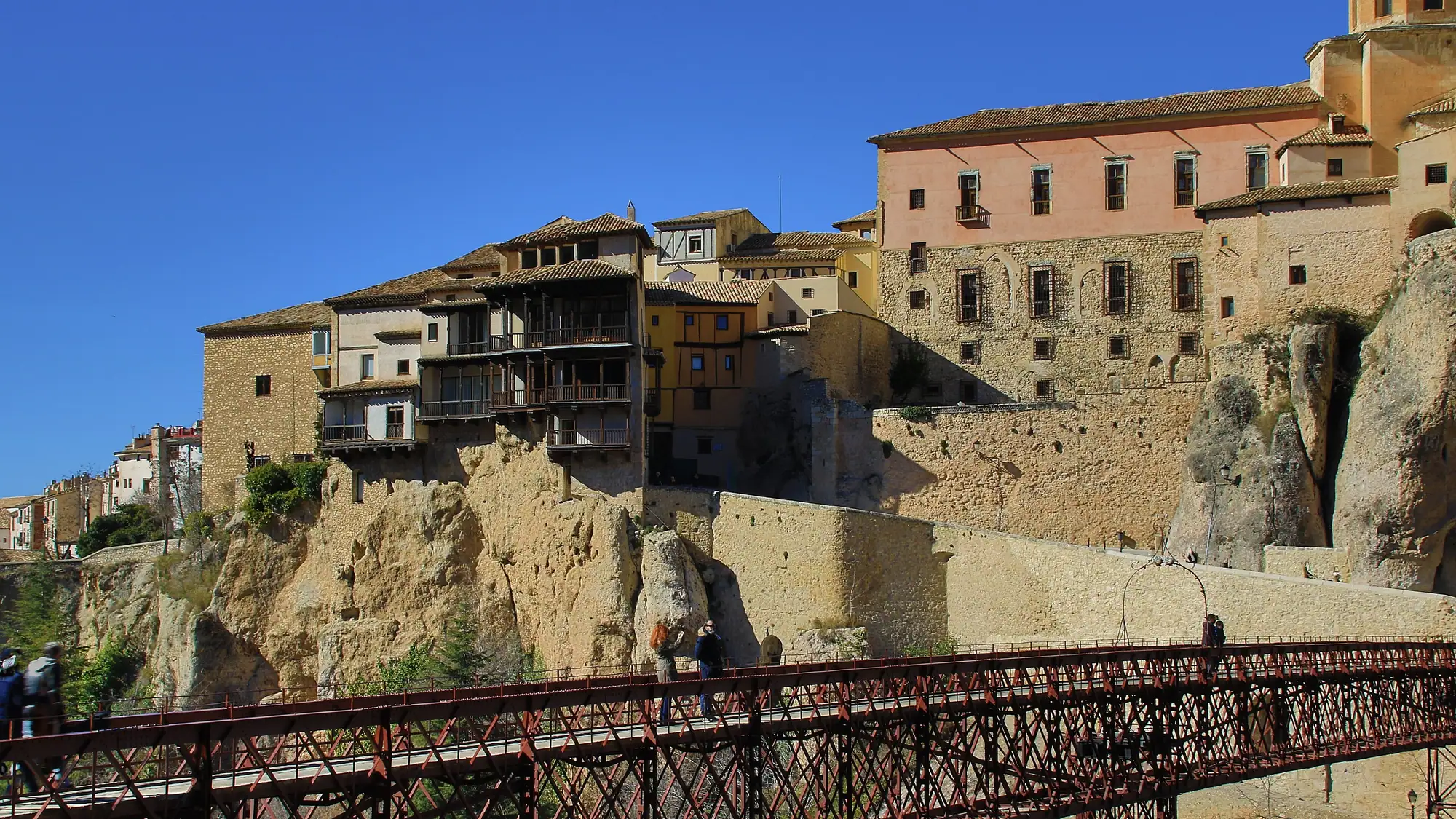
Houses perched on the cliff edge of the Huécar gorge in the UNESCO city of Cuenca, one of them home to the Museum of Spanish Abstract Art, best seen from the San Pablo bridge.
The Primate Cathedral of Spain, a 13th-century Gothic church with the Baroque Transparente altarpiece and a sacristy hung with paintings by El Greco and Goya.
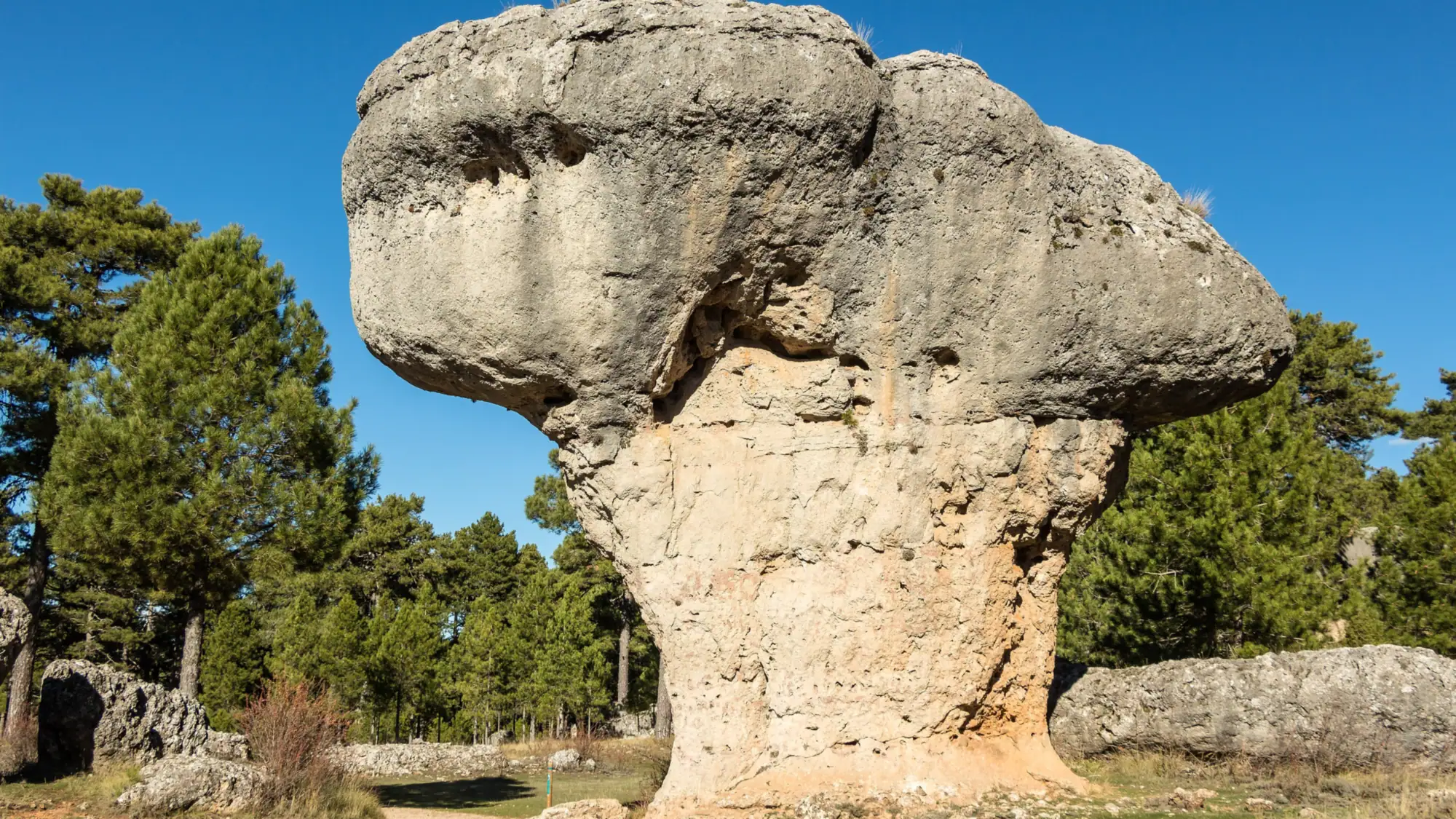
WebsiteThe Enchanted City, a karst landscape of limestone rocks shaped by erosion into mushroom and animal-like forms, on a walking circuit in the Serranía de Cuenca.
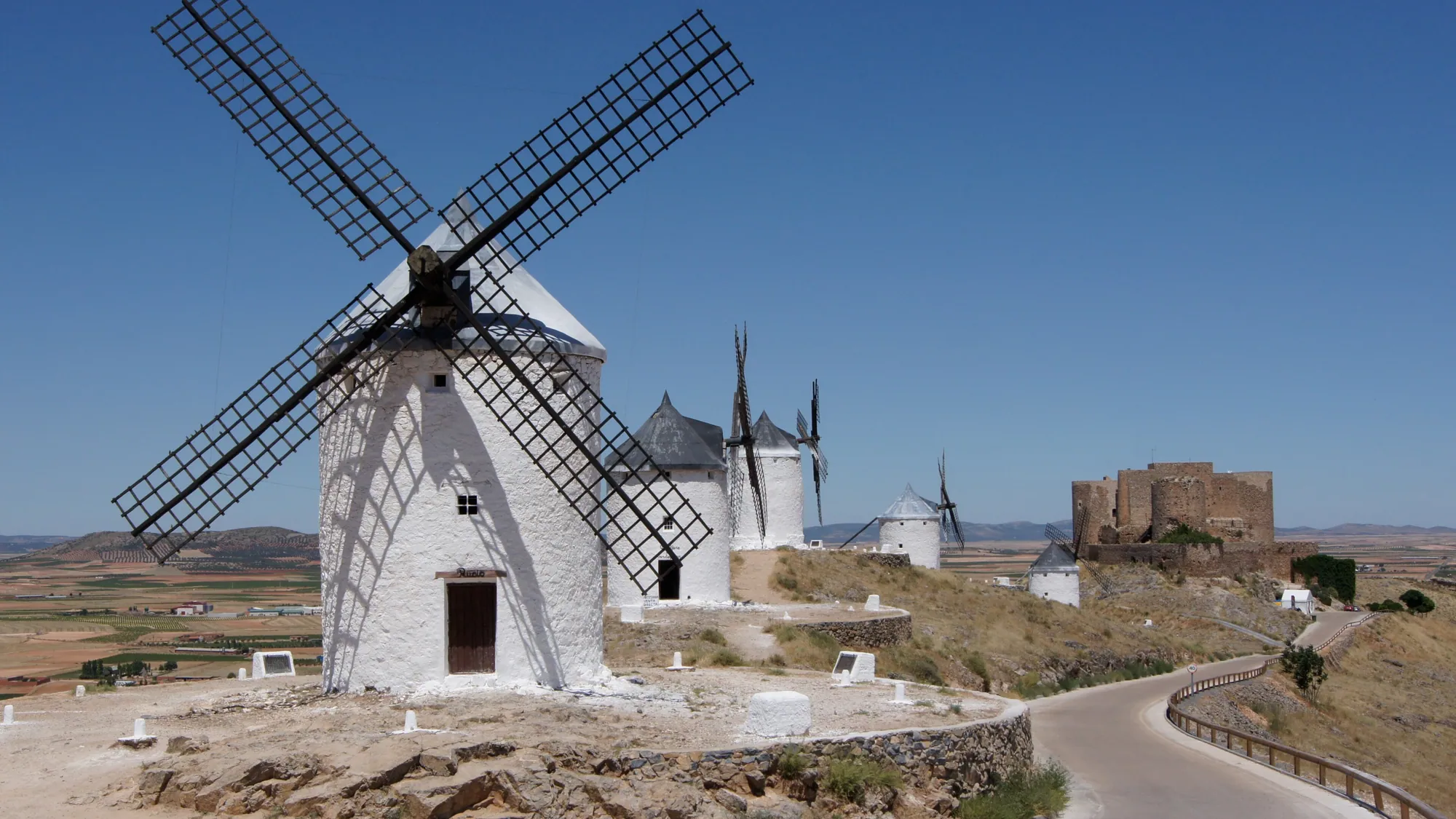
A row of white windmills and a castle on a ridge above Consuegra, the classic picture of La Mancha and the setting of Don Quixote; the town celebrates saffron each October.
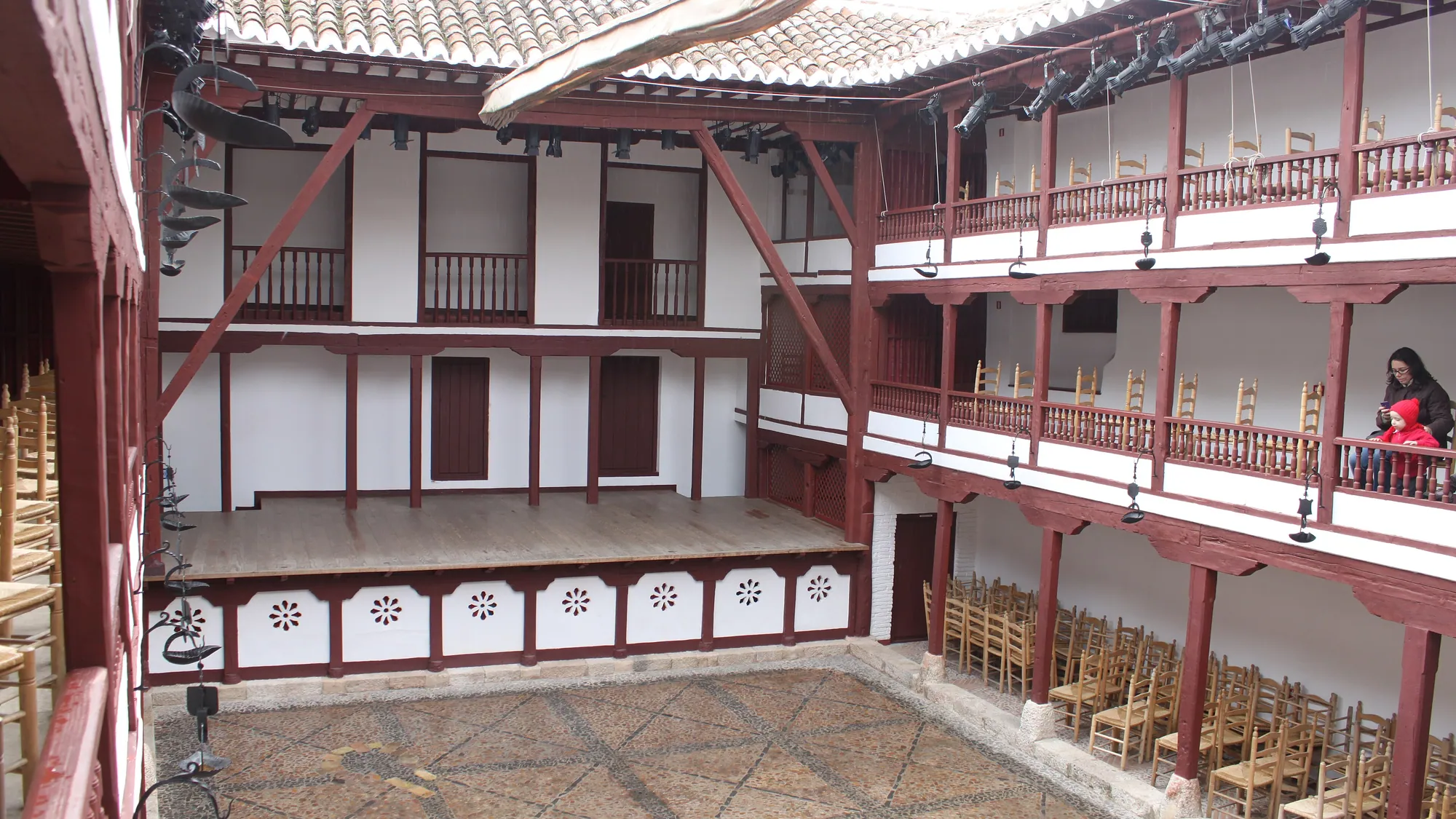
The only 17th-century open-air theatre in Spain still standing in its original form, on Almagro's Plaza Mayor, host to an international classical theatre festival each July.
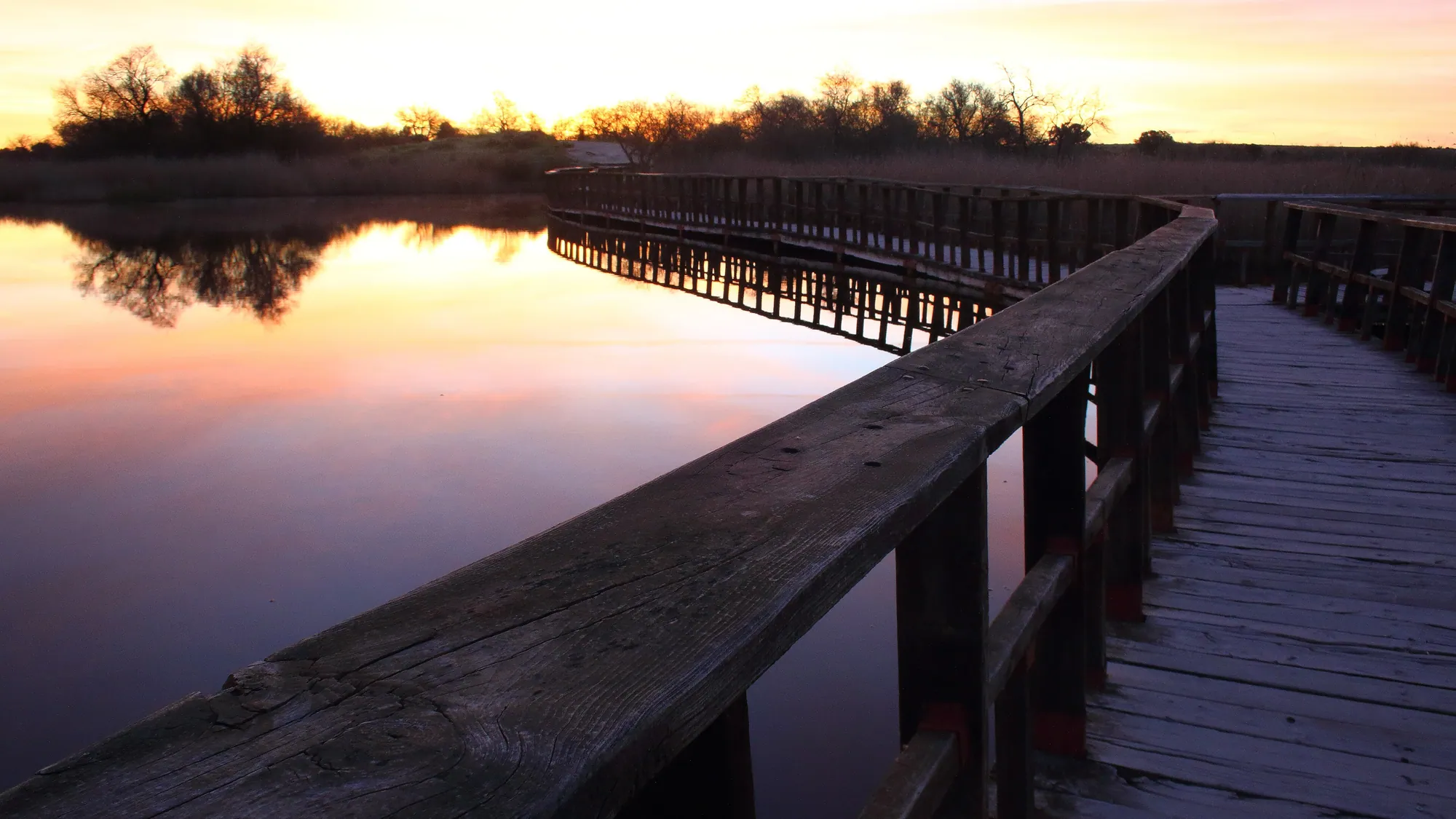
A rare inland wetland of La Mancha where the Guadiana and Cigüela rivers spread into reed beds, crossed by boardwalks and visited by herons, ducks and other water birds.
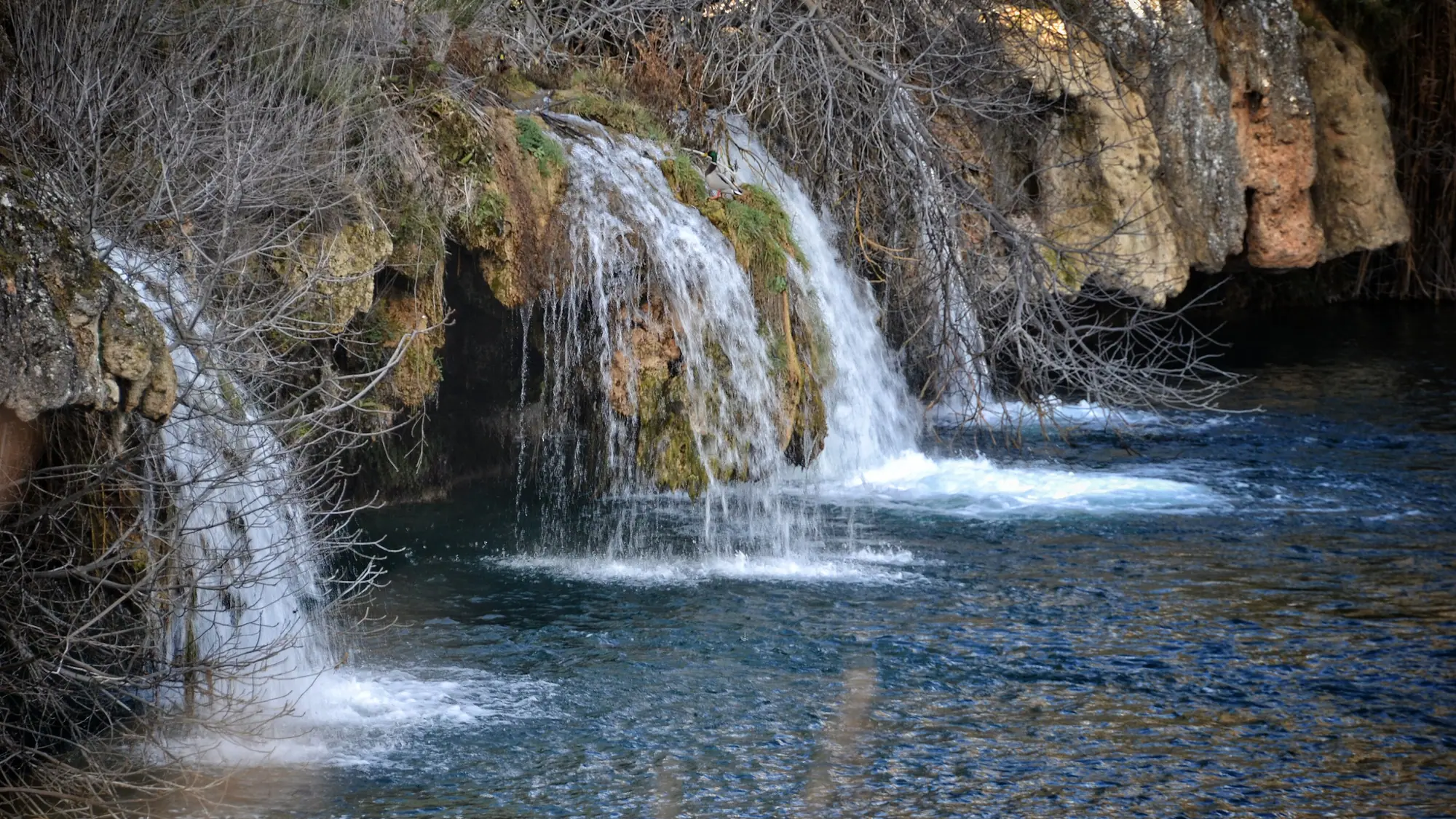
A chain of about 15 lakes linked by waterfalls in the dry plains of La Mancha, with summer swimming spots, walking trails and the Cave of Montesinos from Don Quixote.
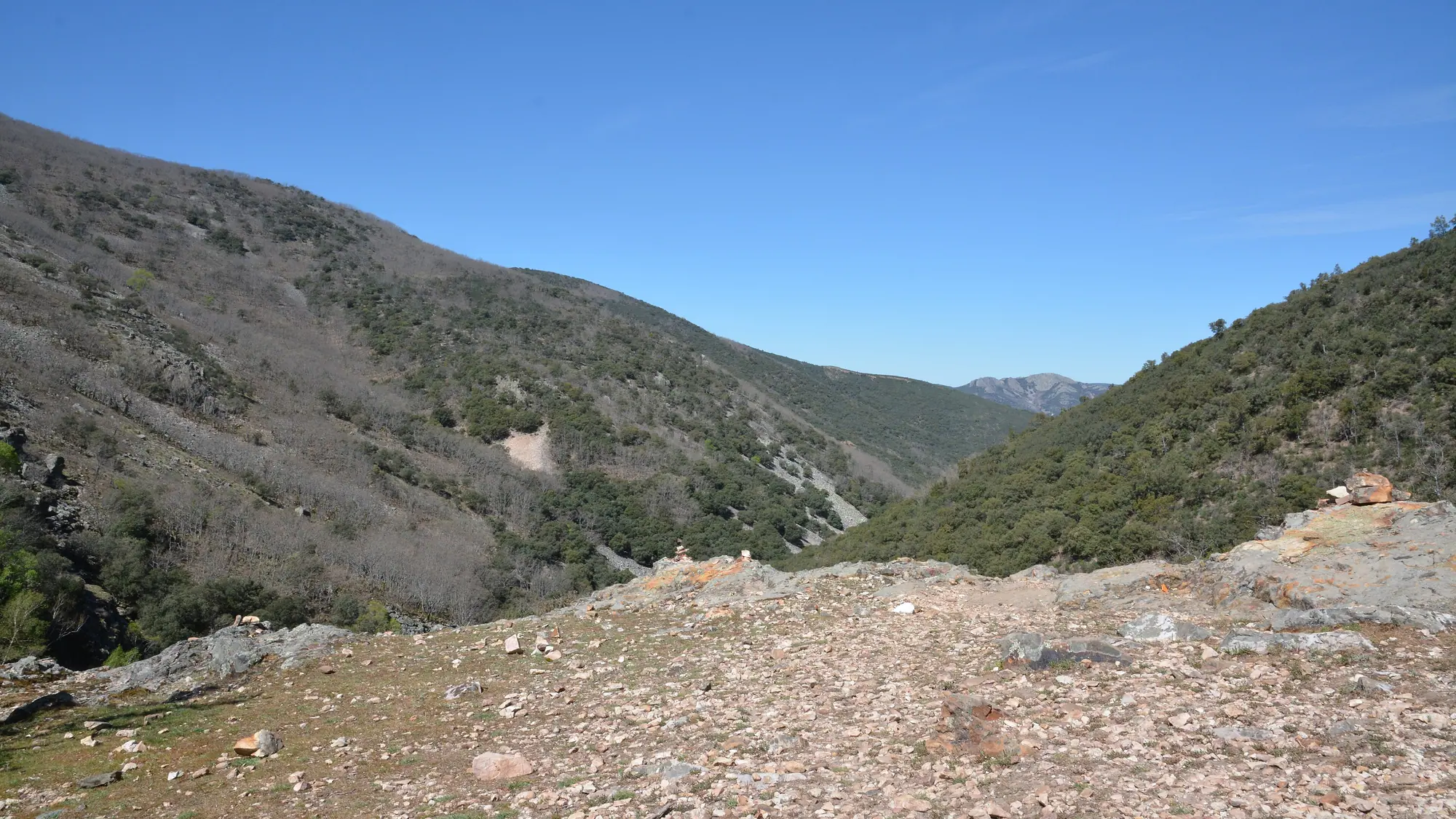
Mediterranean woodland and open grassland in the Montes de Toledo, often called the Spanish Serengeti, with deer, eagles and black vultures; the deer rut in autumn is a highlight.
National holidays and the regional days of Castilla-La Mancha. Each town adds two local holidays of its own.
Local services. National numbers such as 112, 091, 062 and 016 work everywhere in Spain.