
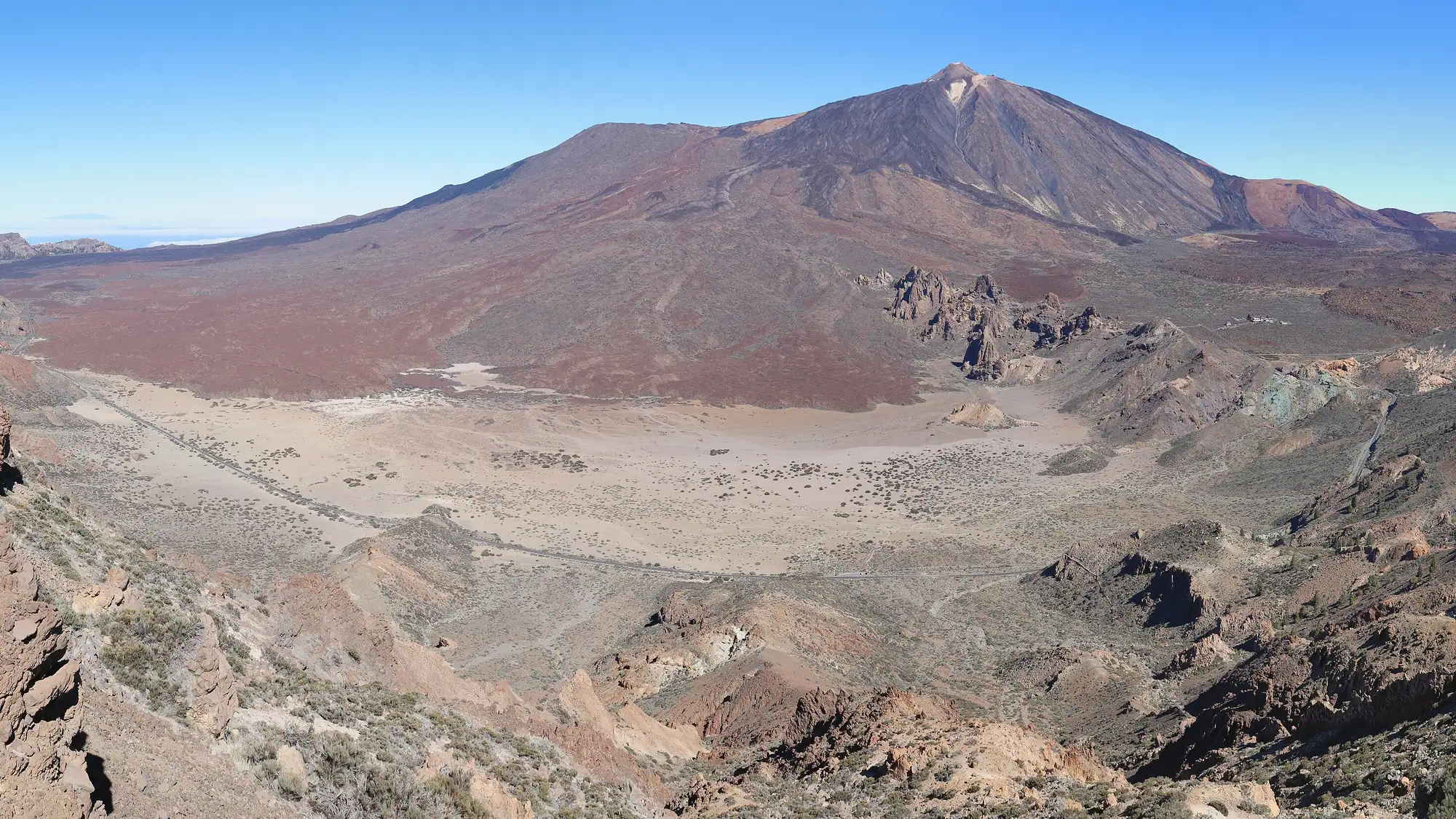
Teide National Park
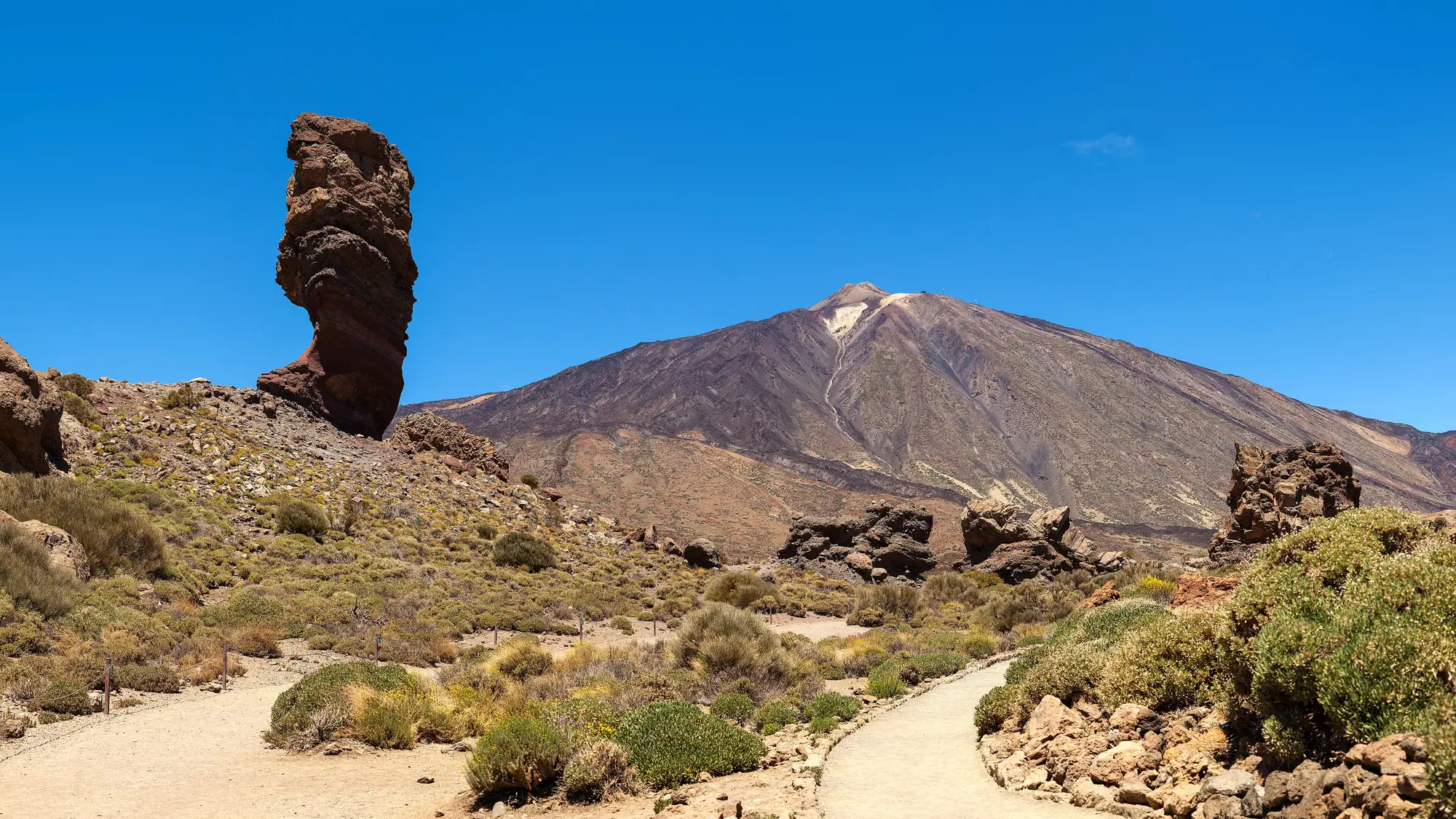
A volcanic landscape on Tenerife around Mount Teide, Spain's highest peak at 3,715 m, a UNESCO site with a cable car; the summit path needs a free permit booked in advance.
Facts, places, transport, contacts, holidays and events for the 8 main cities, and a page for every autonomous community and autonomous city.
Compare the cities Explore
Select any region on the map of Spain to open its page.
19 free tools for money, work, visas and daily life, built on Spain's own rules and unlocked with a free Daleel Pass.
All tools Unlock everything
Email and mobile once, every tool open for a year.
Emergency services, helplines, ministries, regional governments, town halls, hospitals, universities, embassies and utilities, by city.
Open the directory Save the card
Police, fire and ambulance from any phone, anywhere in Spain, in several languages.
Visas, labour law, renting, healthcare, schools, driving, money, business and culture, explained in plain language.
All guides Start here
The complete checklist, from the NIE and the padrón to your first 90 days.
Concerts, festivals, theatre, culture and the big trade fairs across the main cities, refreshed every day from official venues and calendars.
See all events Events
What's on
Practical articles on living, working, visas, money and travel across Spain.
Read the blog New
The latest from the blog.
The Canary Islands are a volcanic Atlantic archipelago with a mild climate all year, Spain's highest peak, Teide, and their own IGIC tax instead of VAT.
The Canary Islands lie about 100 km off the coast of Morocco and are made up of eight inhabited islands: Tenerife, Gran Canaria, Lanzarote, Fuerteventura, La Palma, La Gomera, El Hierro and La Graciosa. The capital is shared between Santa Cruz de Tenerife and Las Palmas de Gran Canaria. Mount Teide on Tenerife, at 3,715 m, is Spain's highest mountain and a UNESCO World Heritage Site.
The islands use Atlantic time, one hour behind mainland Spain, and have their own indirect tax, IGIC (7% general rate), instead of IVA. They are part of the EU but outside the EU VAT area, so check the rules and allowances before shipping goods to or from the islands. Tourism runs all year thanks to the mild climate.
Landmarks, heritage, nature and days out in Canary Islands.
A volcanic landscape on Tenerife around Mount Teide, Spain's highest peak at 3,715 m, a UNESCO site with a cable car; the summit path needs a free permit booked in advance.
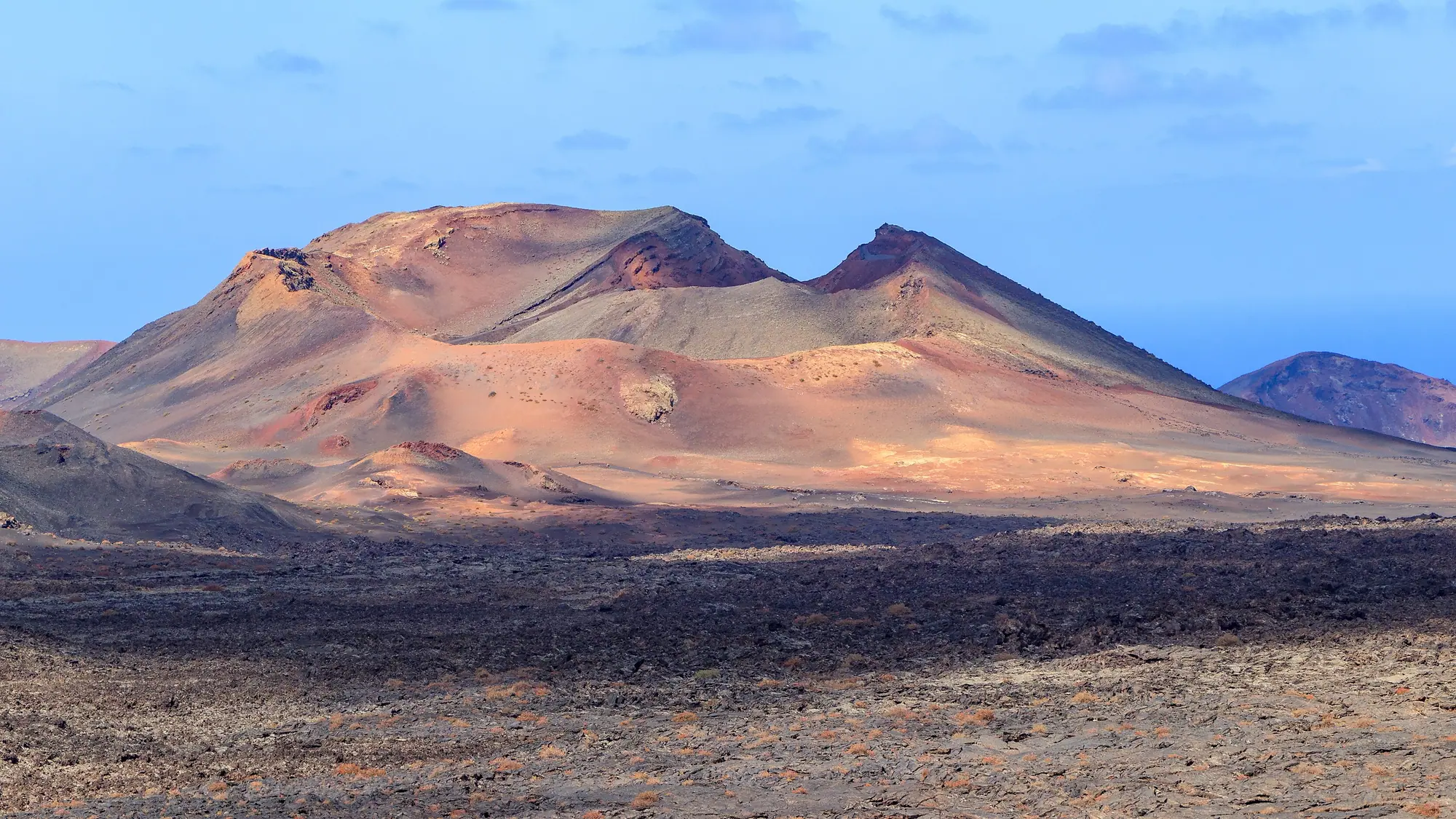
The Fire Mountains of Lanzarote, formed by eruptions in the 1730s, explored on a coach route through lava fields, with geothermal demonstrations at Islote de Hilario.
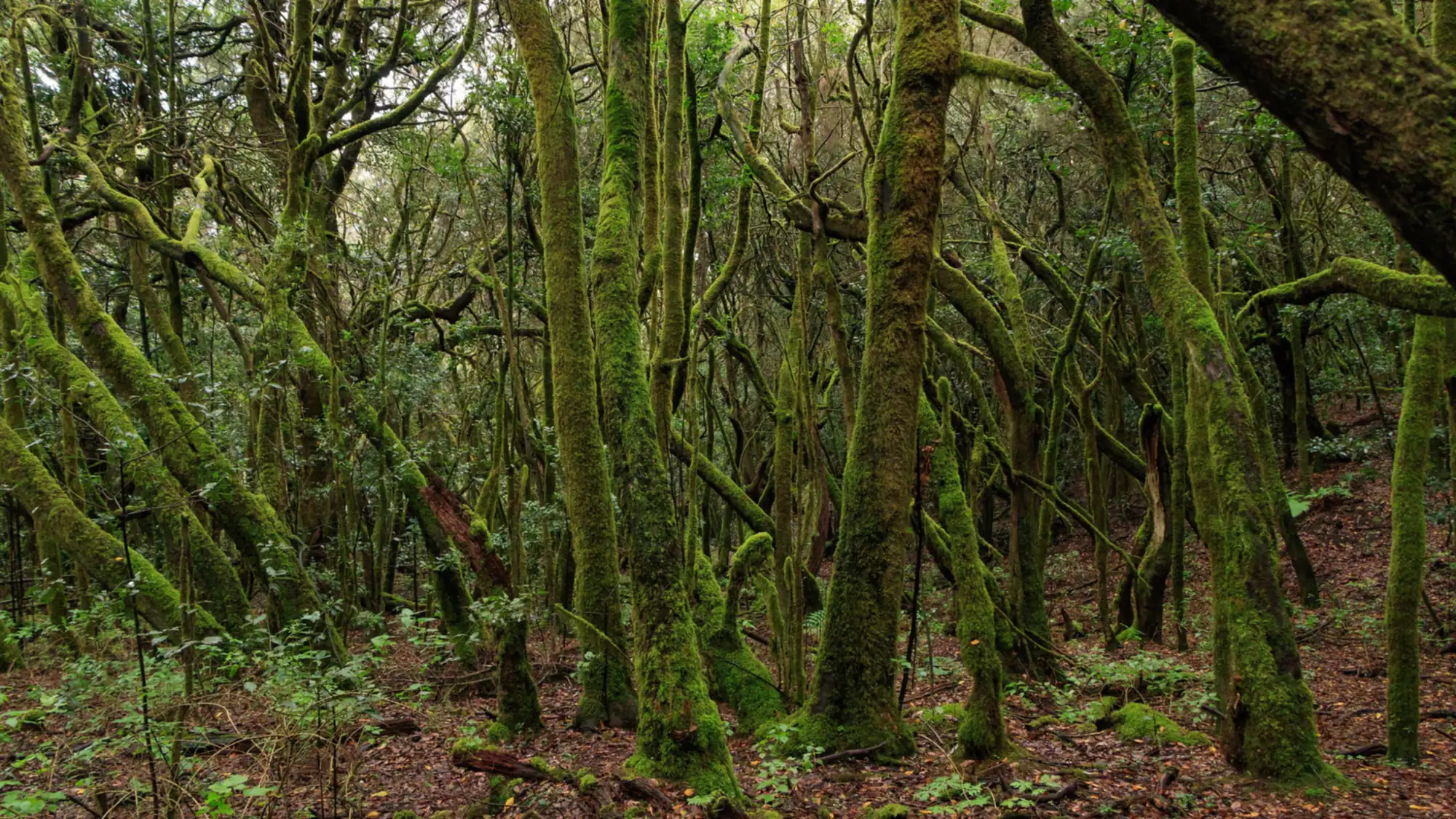
Misty laurel forest on the heights of La Gomera, a relic of the forests that once covered southern Europe and a UNESCO World Heritage Site with marked walking trails.
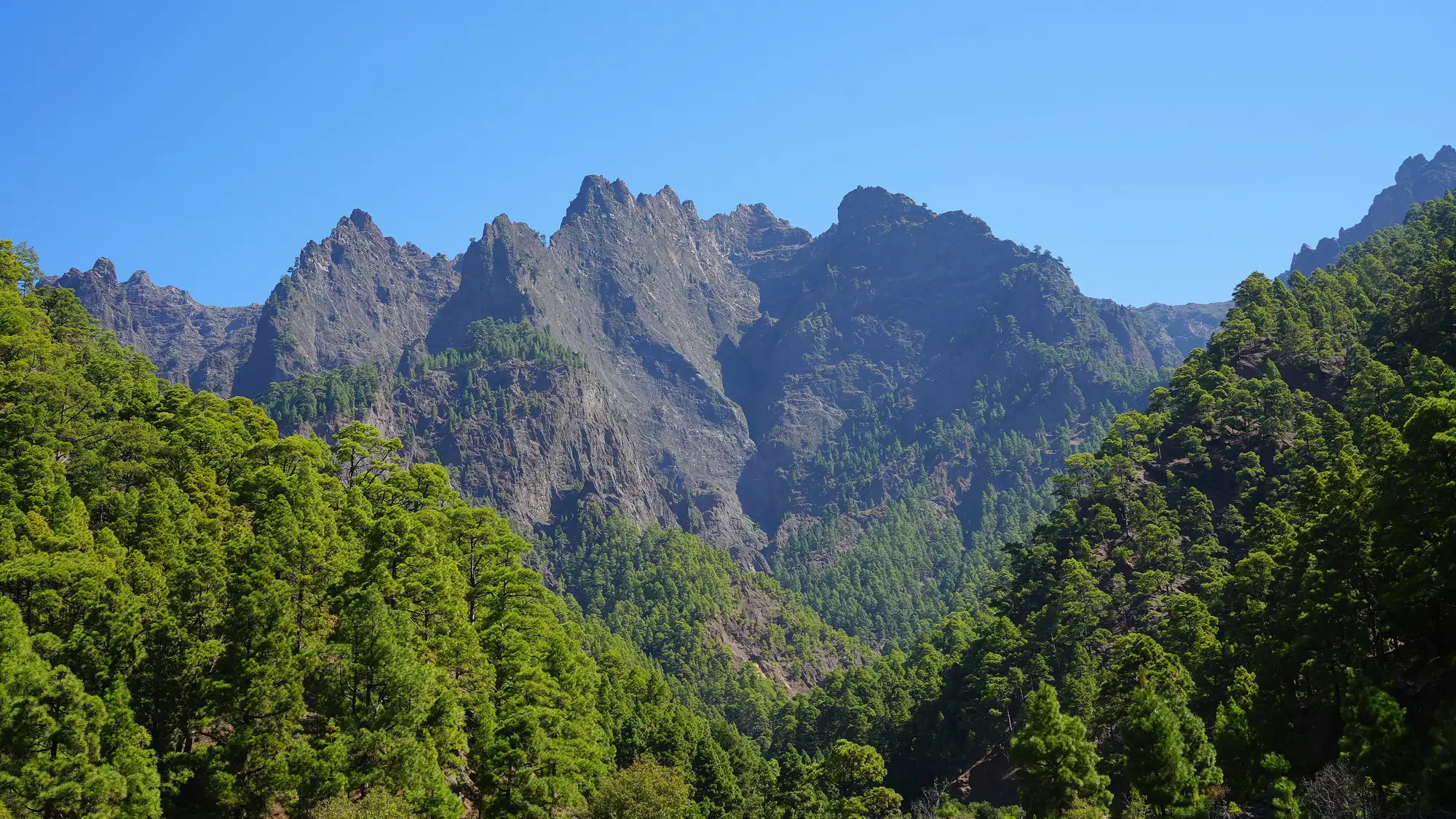
A vast erosion crater on La Palma, rimmed by peaks over 2,000 m and the Roque de los Muchachos observatory, with pine forest, streams and the Cascada de Colores.
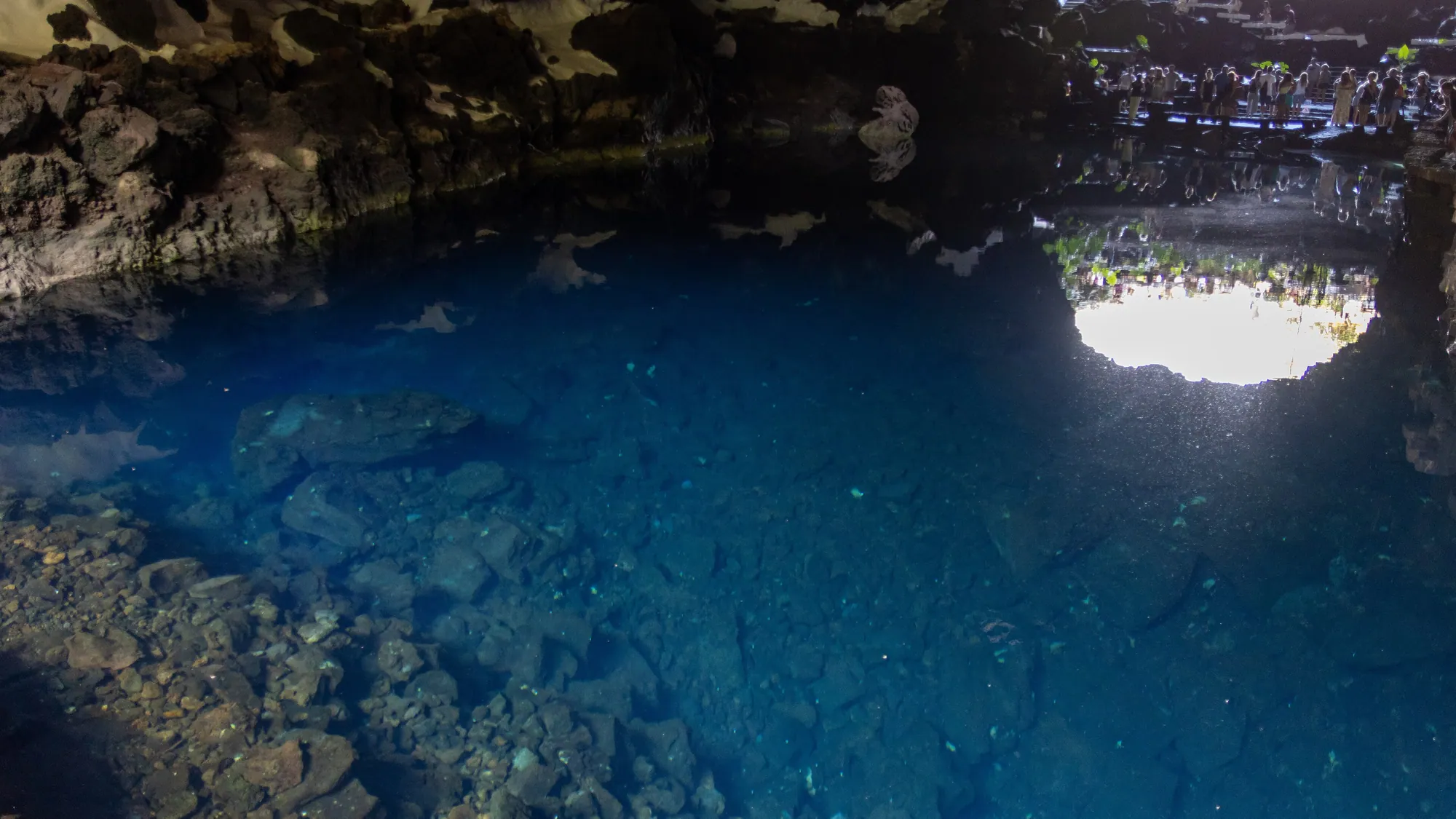
A collapsed lava tube in the north of Lanzarote turned by the artist César Manrique into gardens, a saltwater lake with tiny blind white crabs and a concert hall.
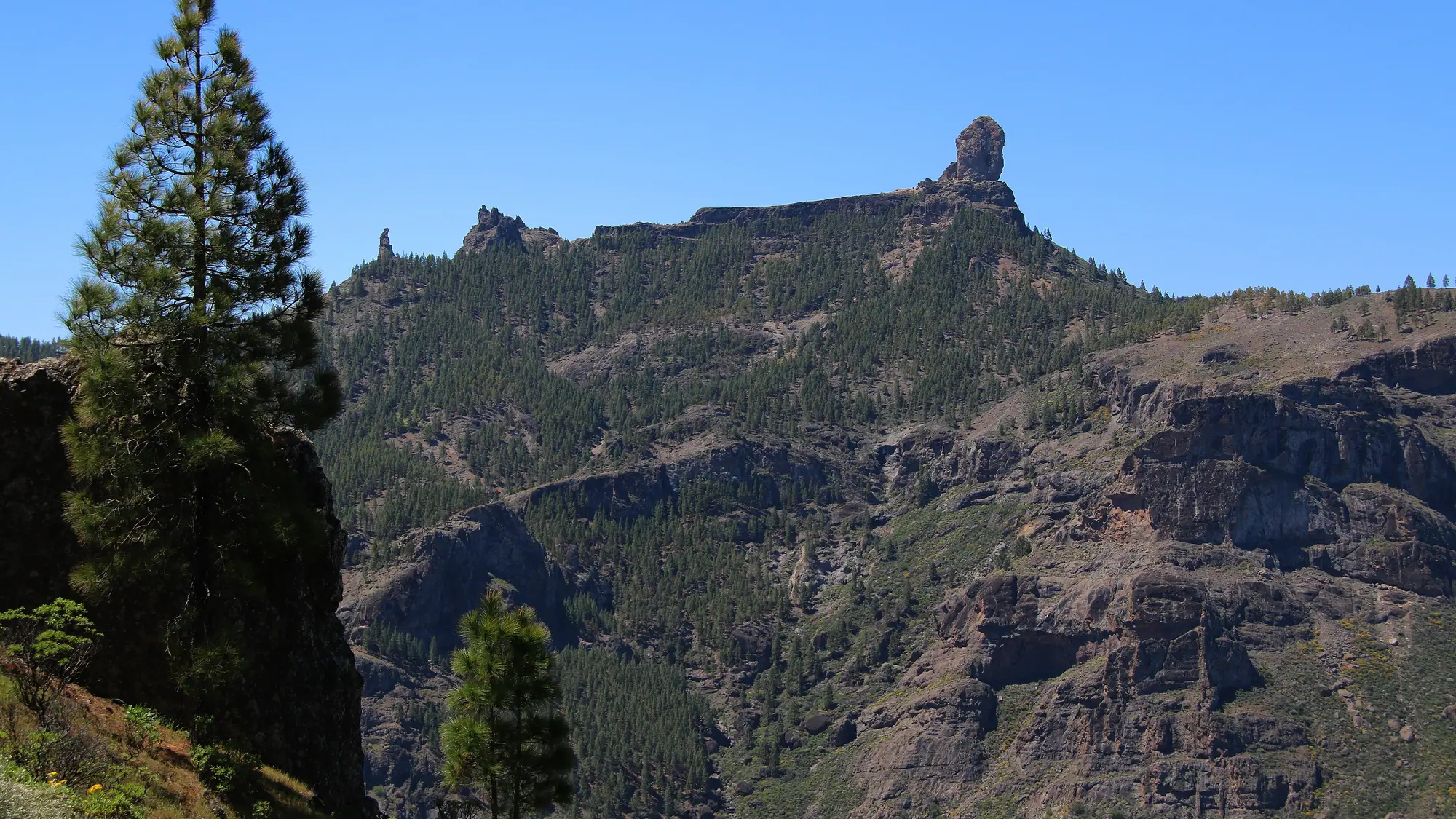
A basalt monolith about 80 m tall near the centre of Gran Canaria, reached by a short walk from the road, one of the island's symbols, with views across the island to Teide on Tenerife on clear days.
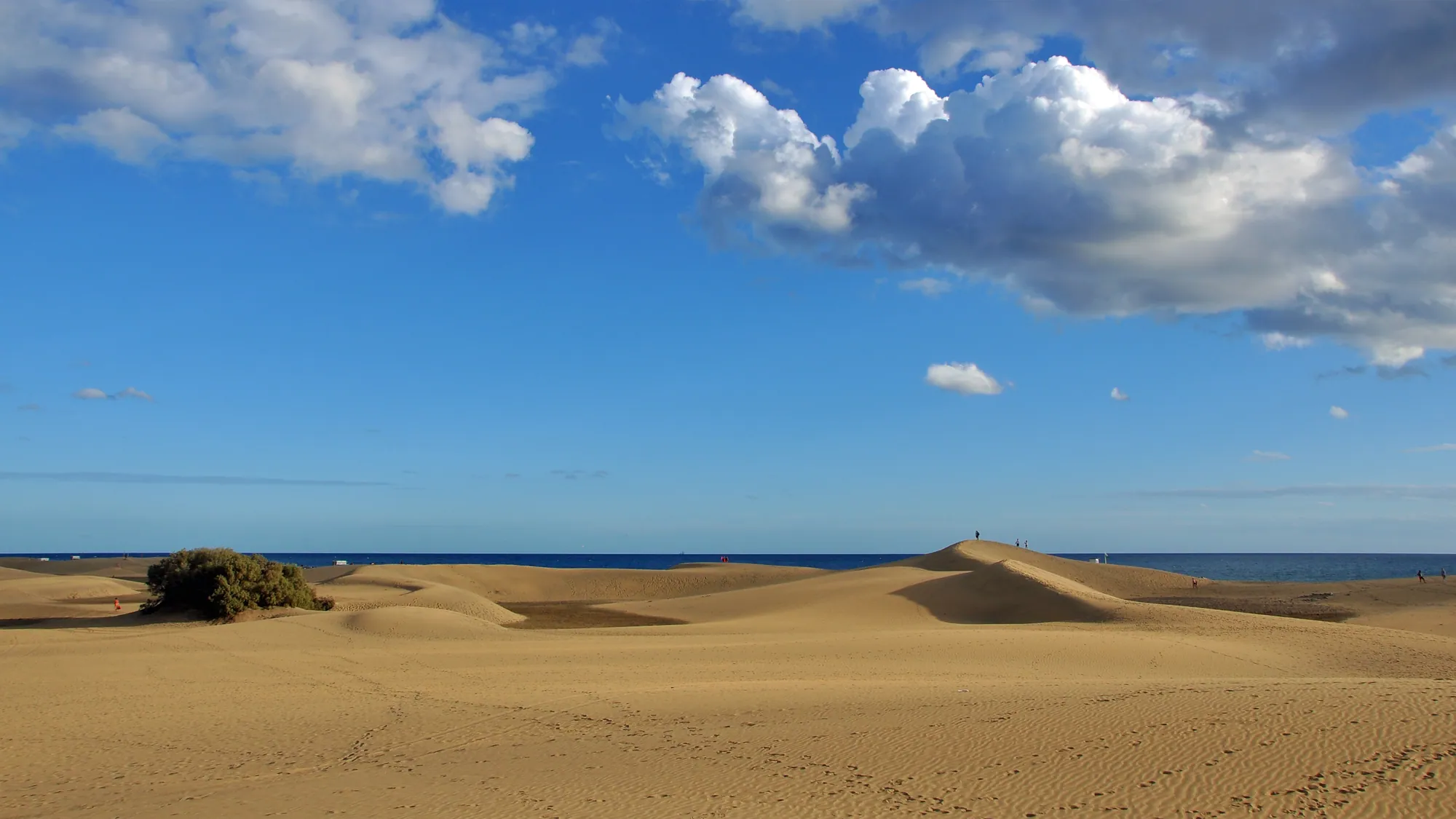
A protected dune field of golden sand on Gran Canaria's south coast, between the beaches of Maspalomas and Playa del Inglés, with a lighthouse and lagoon at its edge.
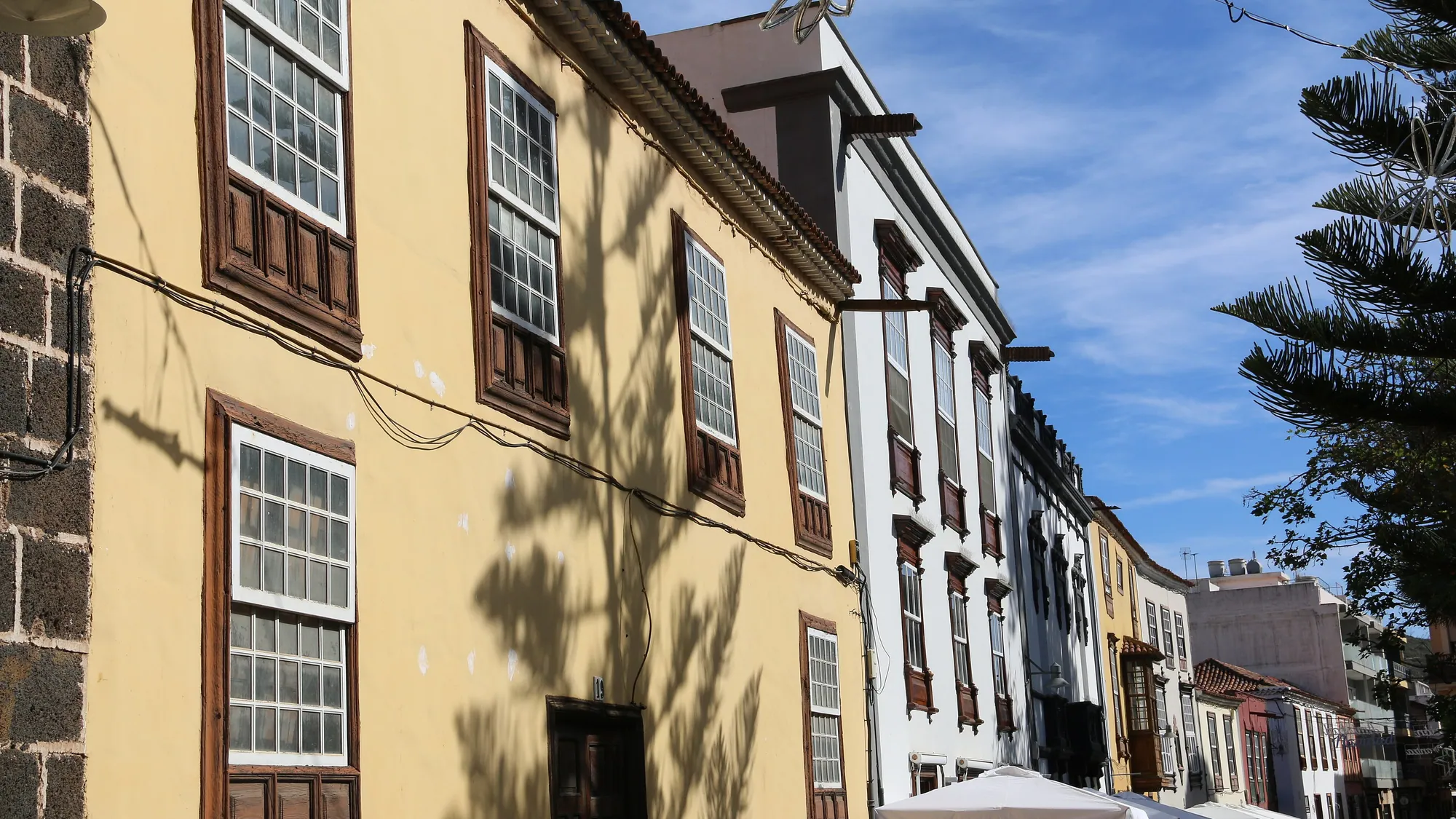
Tenerife's former capital, a UNESCO World Heritage city whose grid of colonial streets became a model for towns across the Americas; now a university town.
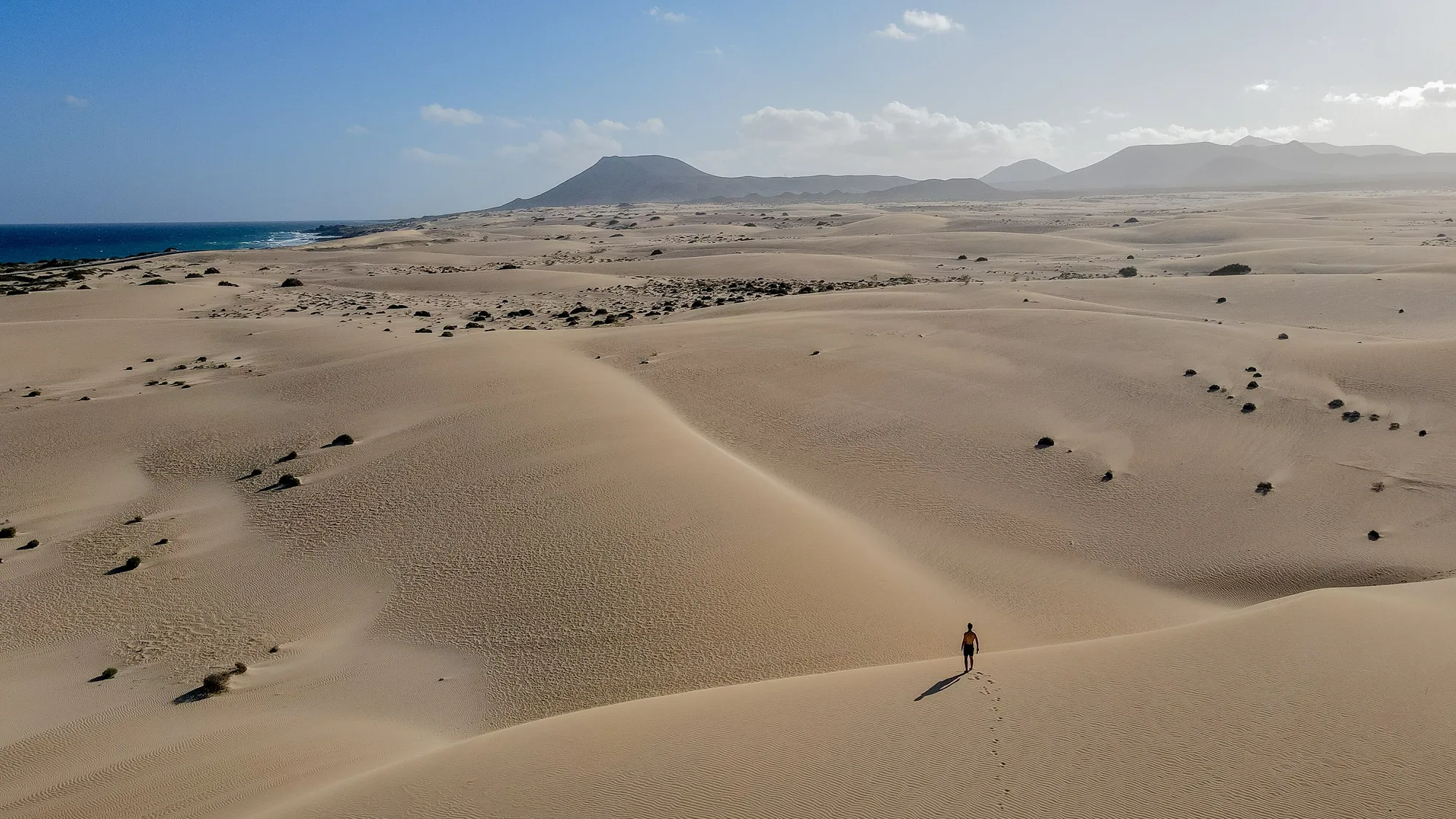
White dunes and long beaches on the north-east tip of Fuerteventura facing Lobos island, popular for kitesurfing and windsurfing, with boats from Corralejo harbour to Lobos.
National holidays and the regional days of Canary Islands. Each town adds two local holidays of its own.
Local services. National numbers such as 112, 091, 062 and 016 work everywhere in Spain.