


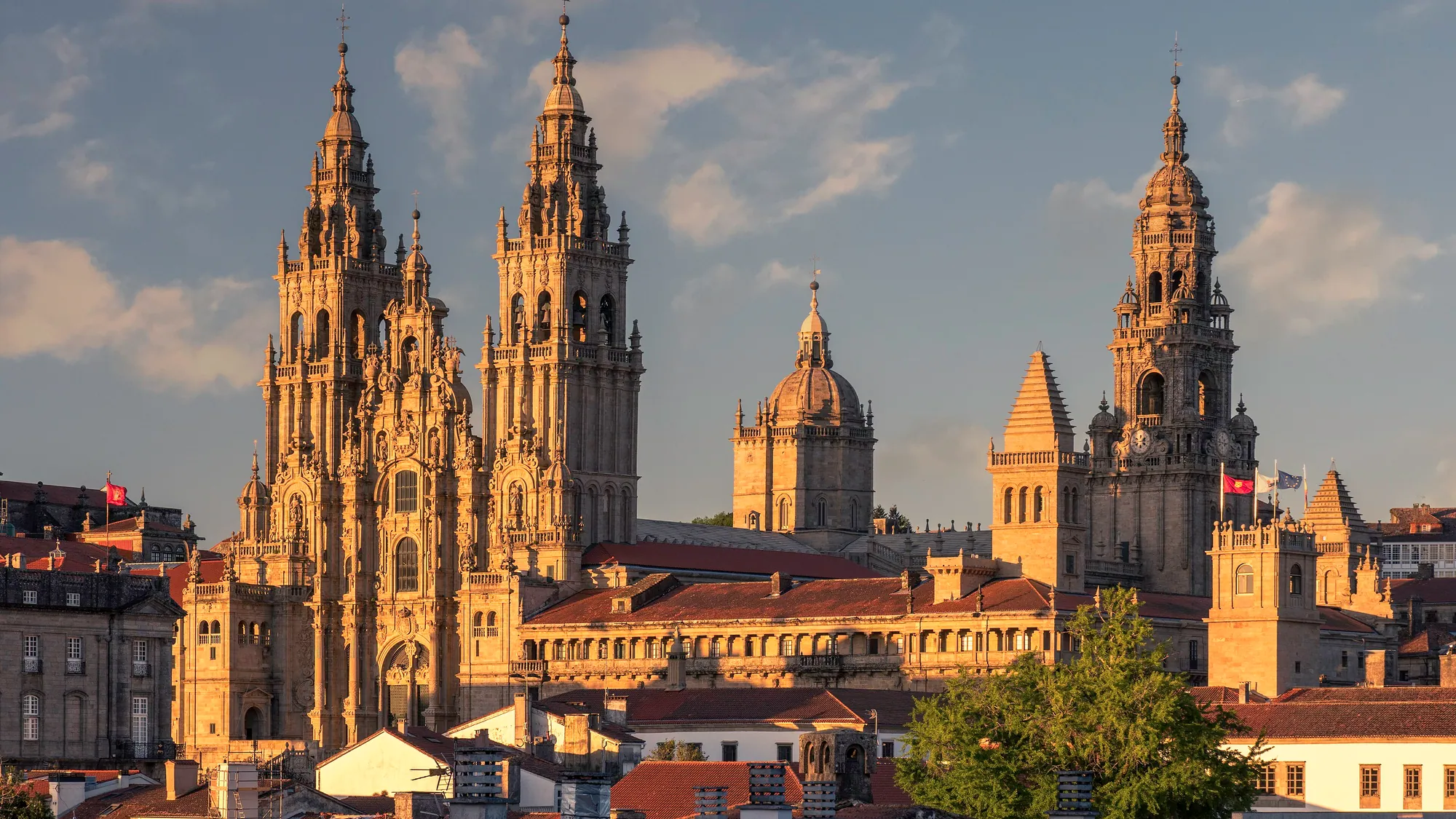
Santiago de Compostela Cathedral
The goal of the Camino de Santiago, a Romanesque cathedral behind a Baroque facade holding the tomb of Saint James, in a UNESCO-listed old town of granite arcades.
WebsiteFacts, places, transport, contacts, holidays and events for the 8 main cities, and a page for every autonomous community and autonomous city.
Compare the cities Explore
Select any region on the map of Spain to open its page.
19 free tools for money, work, visas and daily life, built on Spain's own rules and unlocked with a free Daleel Pass.
All tools Unlock everything
Email and mobile once, every tool open for a year.
Emergency services, helplines, ministries, regional governments, town halls, hospitals, universities, embassies and utilities, by city.
Open the directory Save the card
Police, fire and ambulance from any phone, anywhere in Spain, in several languages.
Visas, labour law, renting, healthcare, schools, driving, money, business and culture, explained in plain language.
All guides Start here
The complete checklist, from the NIE and the padrón to your first 90 days.
Concerts, festivals, theatre, culture and the big trade fairs across the main cities, refreshed every day from official venues and calendars.
See all events Events
What's on
Practical articles on living, working, visas, money and travel across Spain.
Read the blog New
The latest from the blog.
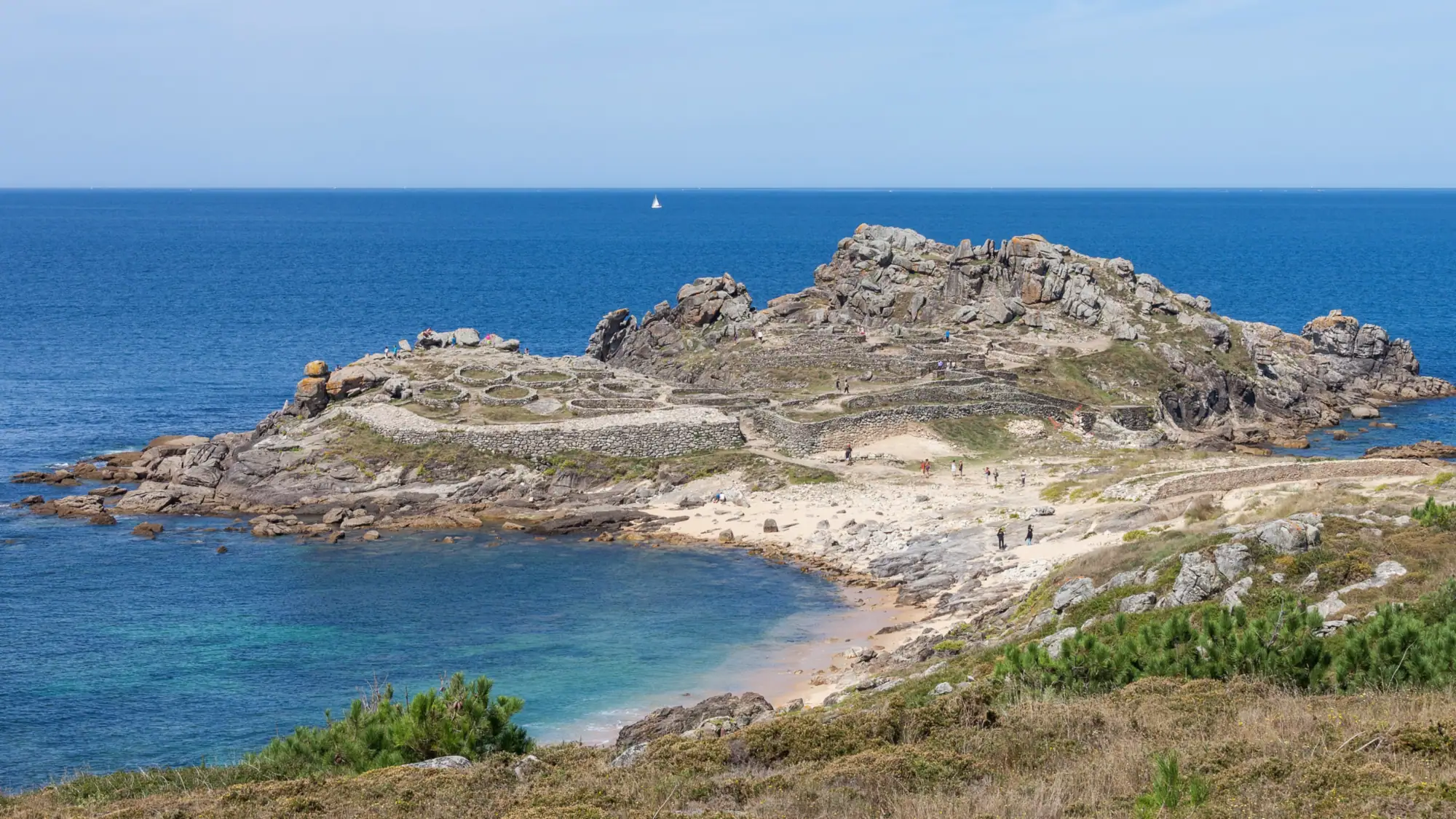
Galicia is the green north-west corner of Spain, with its own language, Santiago de Compostela at the end of the Camino, seafood and a rugged Atlantic coast.
Galicia has its own language, Galician (galego), close to Portuguese and official alongside Spanish. Its capital, Santiago de Compostela, is the goal of the Way of Saint James, and its old town and cathedral are a UNESCO World Heritage Site, as are the Roman walls of Lugo and the Tower of Hercules in A Coruña, the oldest Roman lighthouse still in use.
The coast is cut by deep inlets, the Rías Altas and Rías Baixas, famous for shellfish, octopus and Albariño wine. Vigo is the largest city and a major fishing port. Expect rain, especially from October to April, and mild summers.
Landmarks, heritage, nature and days out in Galicia.
The goal of the Camino de Santiago, a Romanesque cathedral behind a Baroque facade holding the tomb of Saint James, in a UNESCO-listed old town of granite arcades.
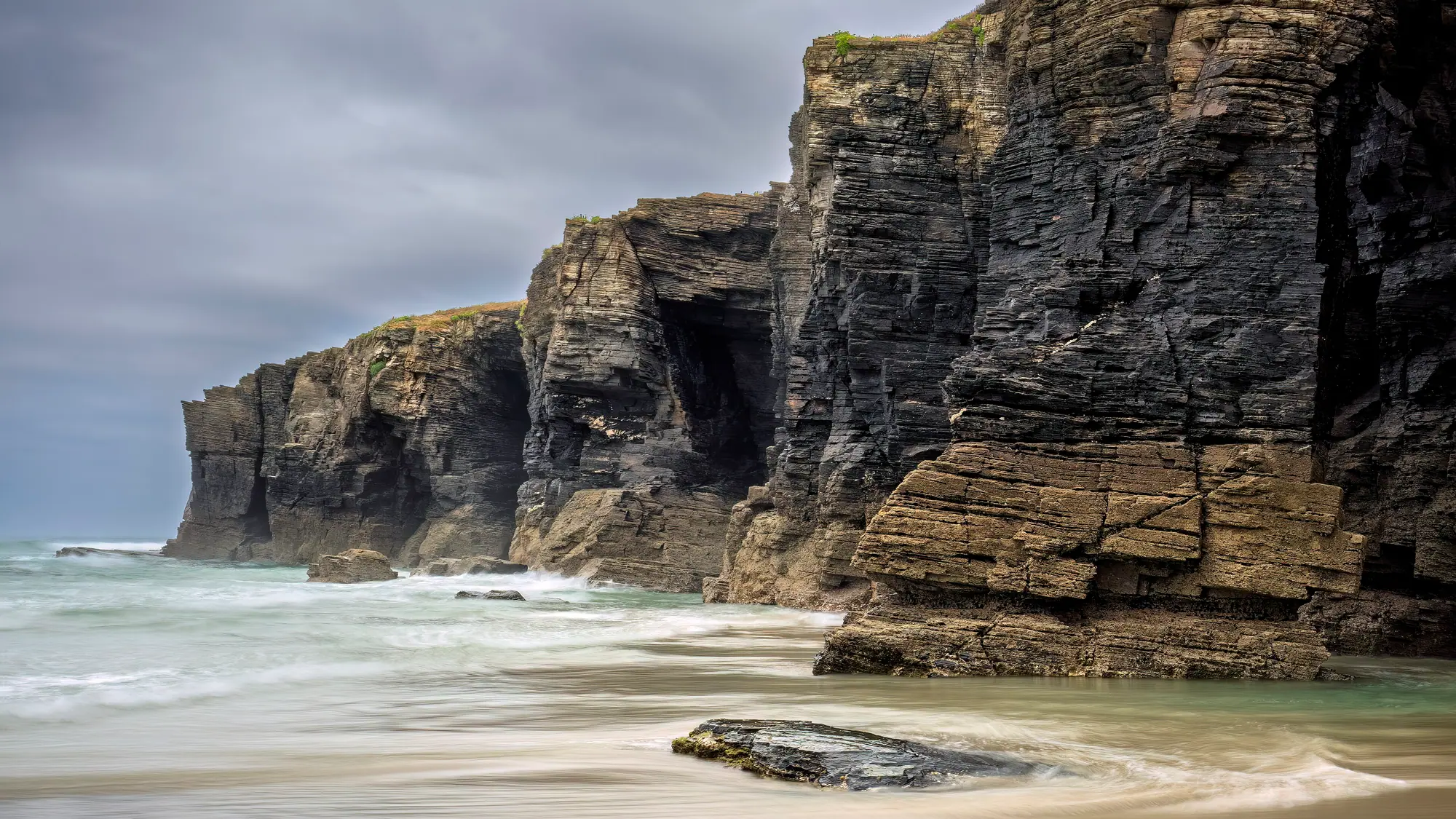
WebsiteA beach near Ribadeo with sea-carved rock arches like cathedral buttresses, walkable only at low tide; free access must be booked in advance at busy times.
Entry is free, but a visit authorisation must be booked in advance for Holy Week and from 1 July to 30 September.
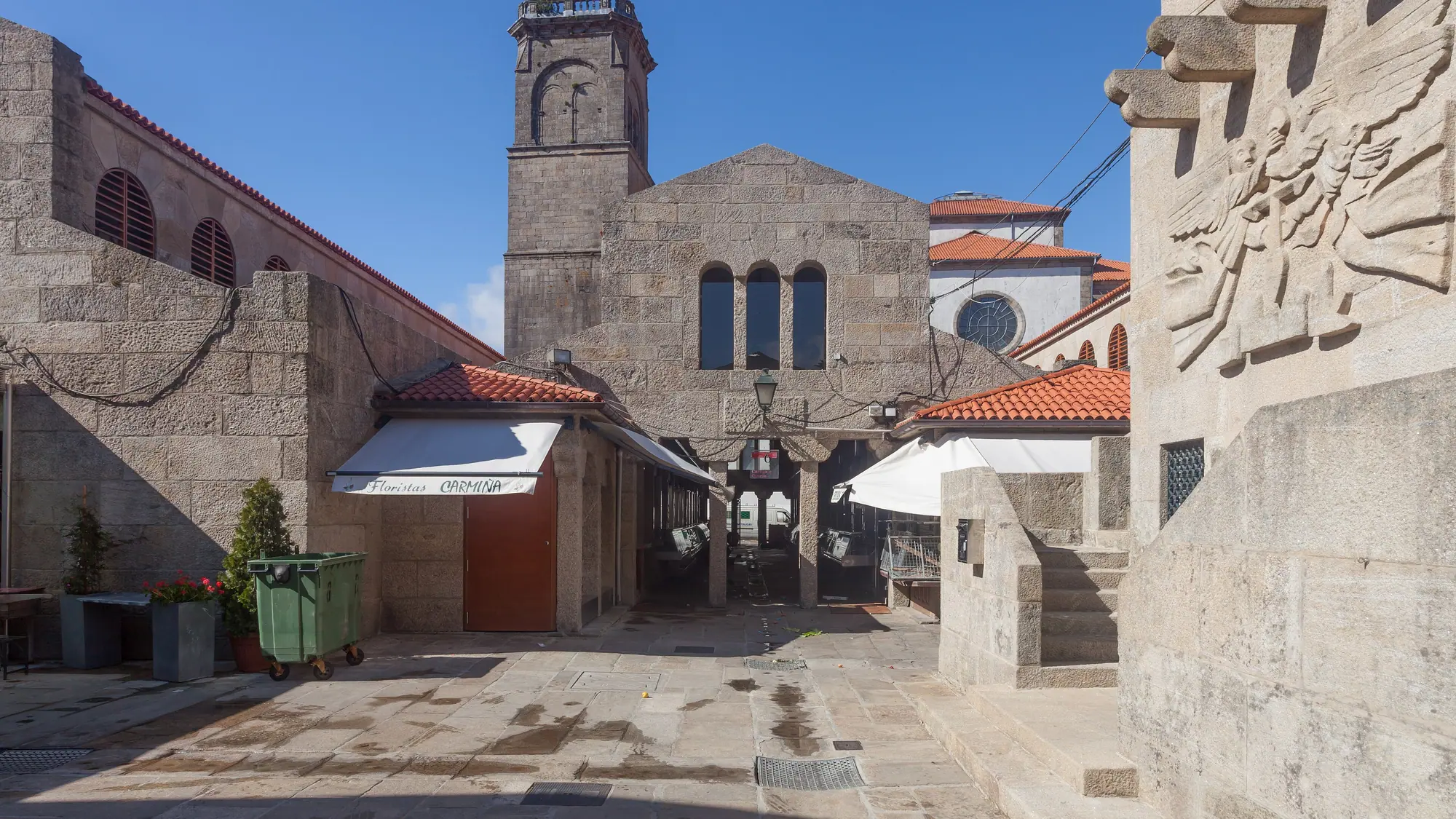
Santiago's main food market in granite halls near the old town, where you can buy shellfish, cheese and vegetables and have seafood cooked at a counter nearby.
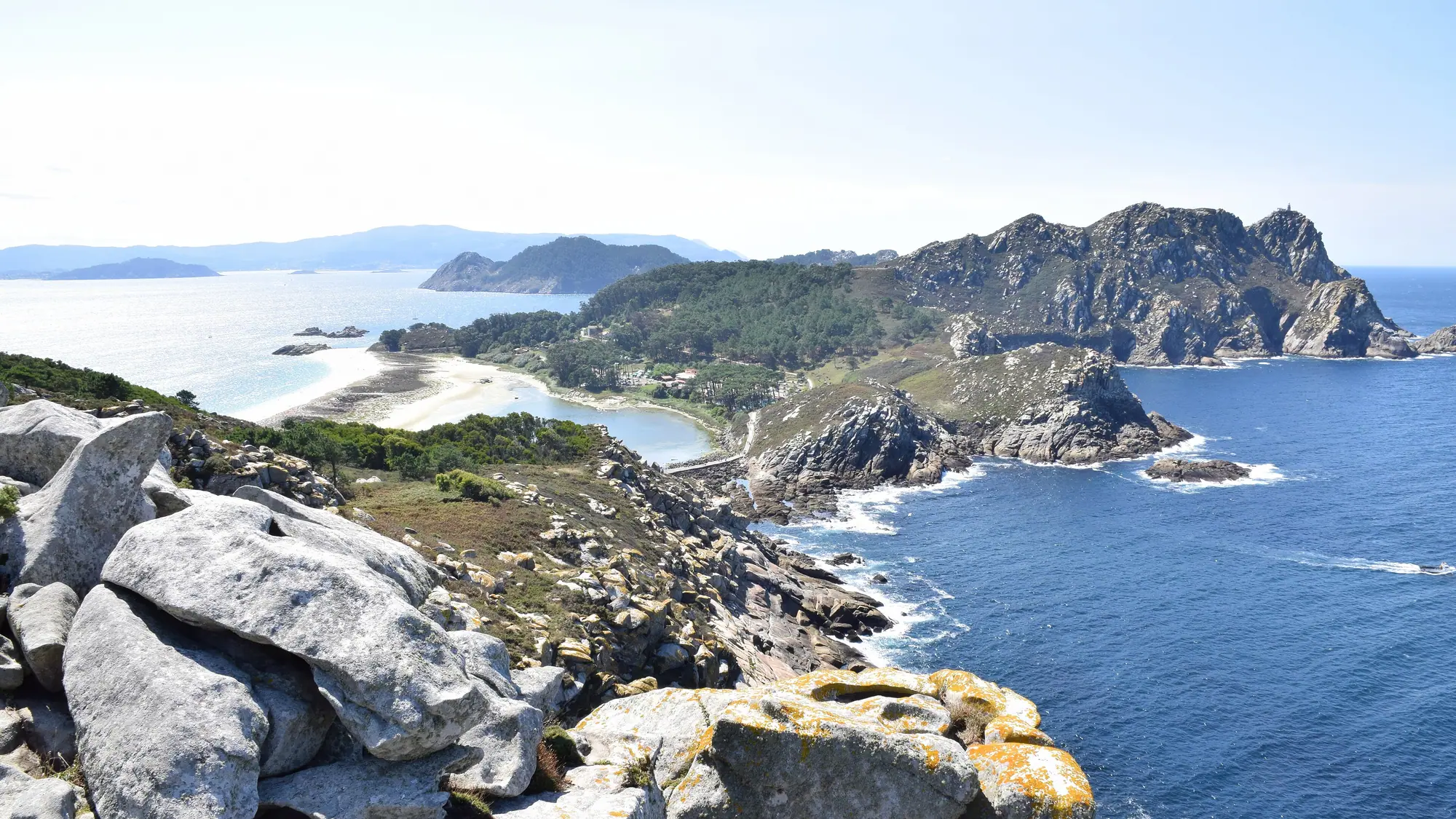
Islands at the mouth of the Vigo estuary in the Atlantic Islands of Galicia National Park, with the white Rodas beach; visitor numbers are capped and a permit is needed before booking the boat.
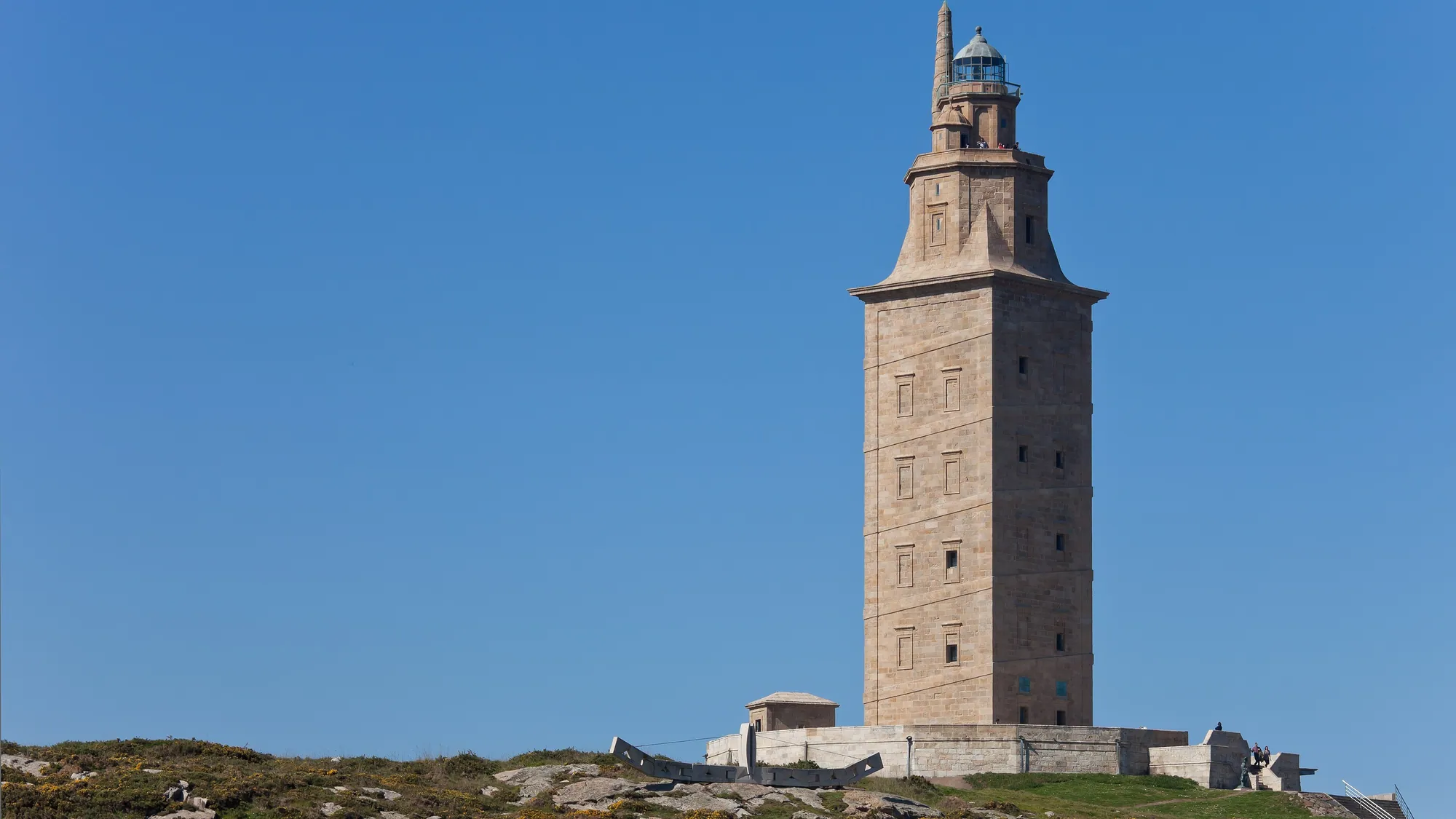
The oldest Roman lighthouse still in use, built in the 1st or 2nd century and restored in the 18th, rising above the Atlantic at A Coruña; a UNESCO World Heritage Site.
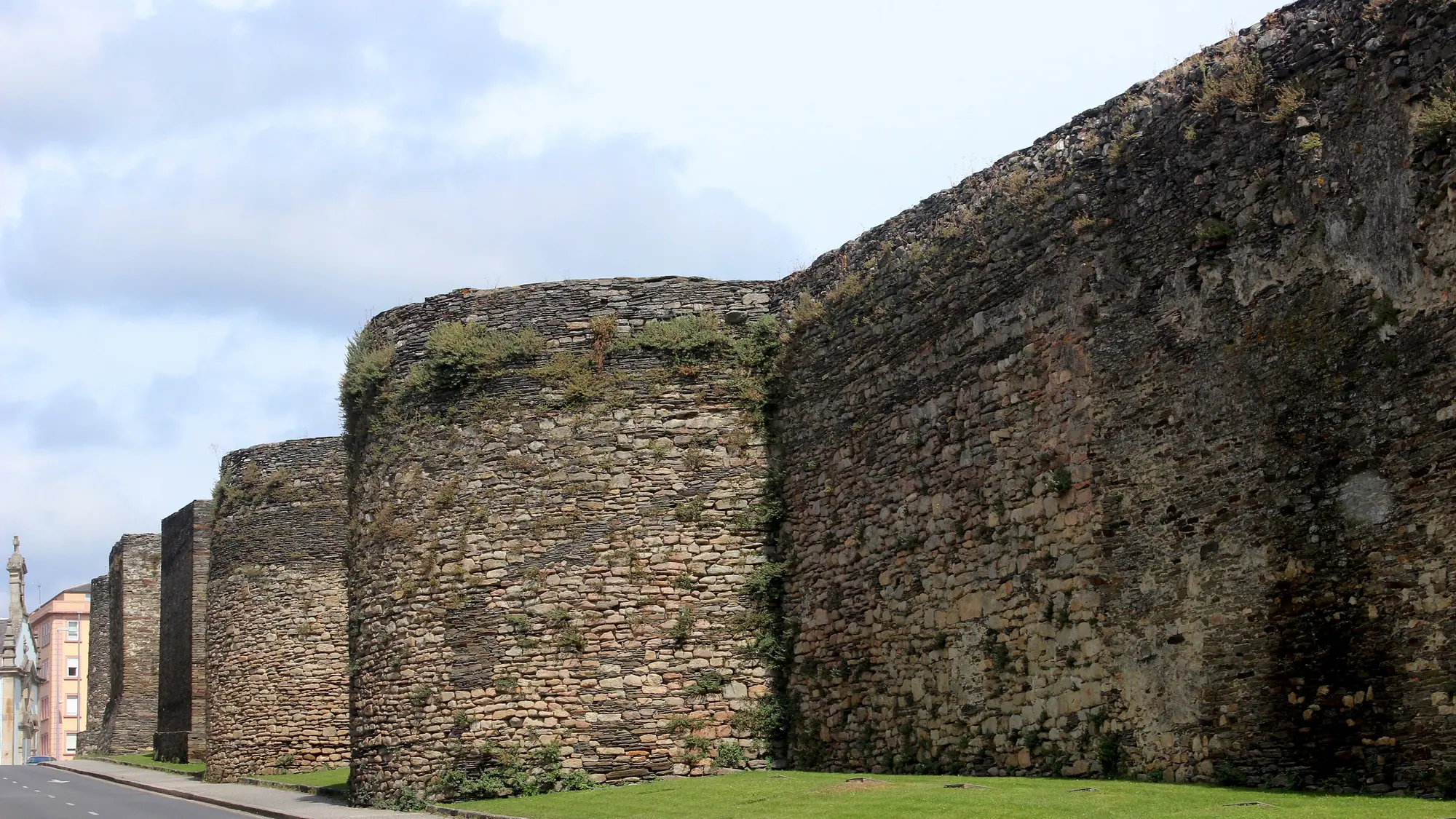
The only Roman city walls to survive complete, about 2 km around the old centre of Lugo with dozens of towers; a UNESCO site with a free walk along the top.
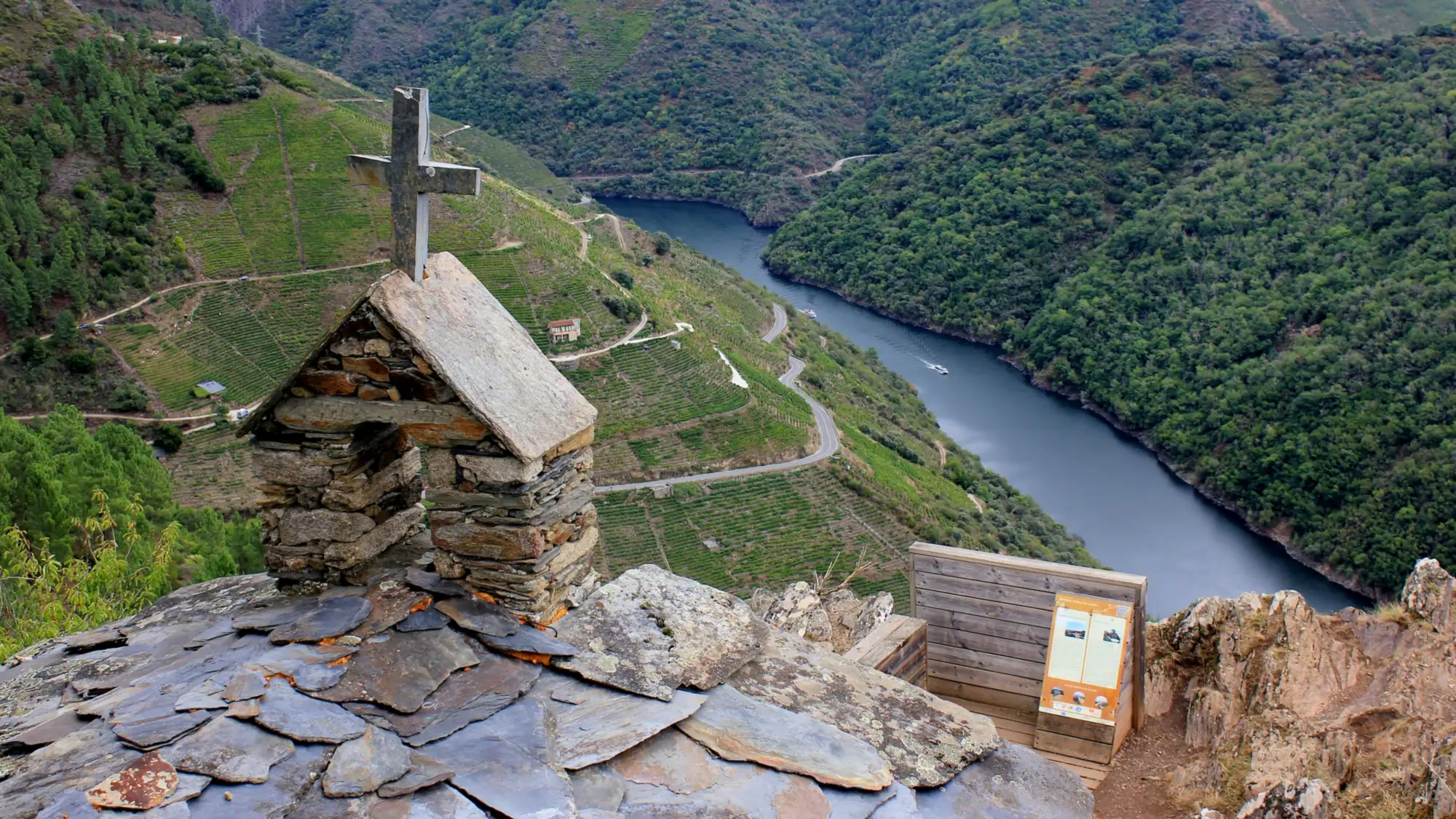
Steep river canyons of the Sil and Miño with terraced vineyards and Romanesque monasteries, best seen from viewpoints or on a catamaran trip through the Sil gorge.
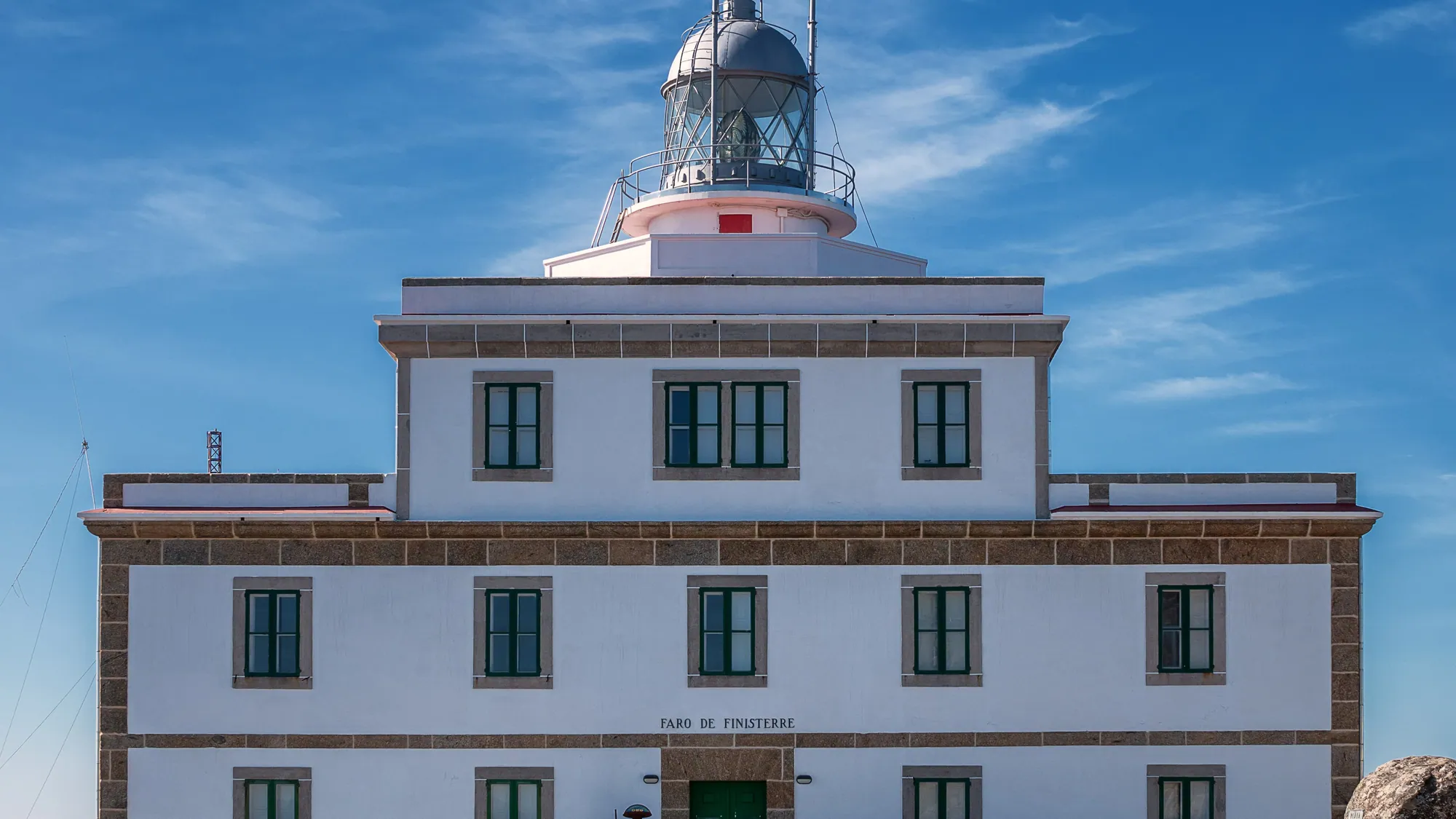
A granite headland on the Costa da Morte once thought to be the end of the known world, with a lighthouse and sunsets over the Atlantic; the final stage of many pilgrims' walks.
National holidays and the regional days of Galicia. Each town adds two local holidays of its own.
Local services. National numbers such as 112, 091, 062 and 016 work everywhere in Spain.