










Cost of Living in Barcelona 2026: Rent, Transport, Bills and Food
What life in Barcelona costs in 2026: new rental contracts average about €1,140 a month, the T-usual is €22.80 and a T-casual €13, plus bills and food.
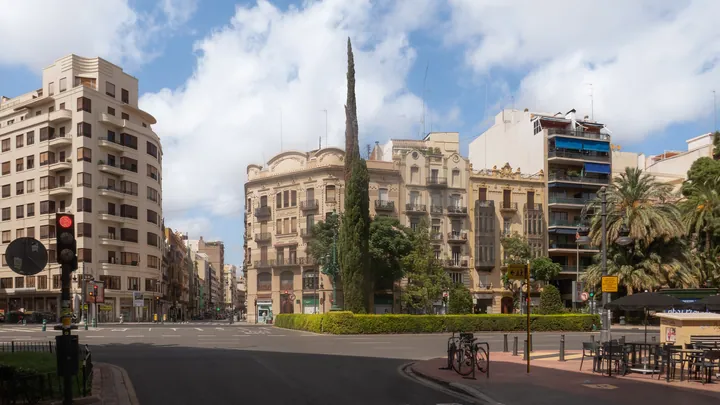
Barcelona is one of the most attractive cities in Europe to live in, with the sea on one side, the Collserola hills on the other and a lively street life all year. It is also one of the most expensive places in Spain, mainly because of housing. Rents have risen for years, the supply of long-term rentals is tight, and the city and the Generalitat de Catalunya have responded with rent controls and limits on tourist flats.
This guide gives a realistic picture of 2026 costs for rent, transport, utilities and food, with the official source for each figure wherever one exists. For a personal estimate, use our cost of living calculator, and see the Barcelona city page for neighbourhoods and services.
Rent: the biggest cost
The most reliable public figure for Barcelona rents comes from the deposits that landlords must lodge with the Catalan housing agency, the Incasòl. Because every new contract is recorded, the data shows what people actually sign, not what landlords ask.
- In the first quarter of 2026, the average new rental contract in the city of Barcelona was about €1,137 a month, up around 4.6% on a year earlier.
- Sarrià-Sant Gervasi remained the most expensive district, at about €1,599 a month for new contracts.
- Figures for the second quarter of 2026 put the city average a little above €1,140, with rises slowing in areas under rent control.
These are averages across all flat sizes. Asking prices on property portals are usually higher, especially for furnished flats in central areas, and good flats go fast. Treat the figures as a guide and check current listings before you rely on them.
By neighbourhood
As a broad picture, without precise figures:
- Most expensive: Sarrià-Sant Gervasi, Les Corts, parts of the Eixample and Pedralbes.
- Mid-range: Gràcia, Poblenou and the rest of Sant Martí, Sants-Montjuïc.
- More affordable: Nou Barris, Sant Andreu, Horta-Guinardó, and nearby towns such as L'Hospitalet de Llobregat, Badalona and Cornellà, which are well connected by metro and train.
Sharing a flat is common among people in their twenties and early thirties, and a room usually costs a fraction of a whole flat.
Rent control and your rights
Barcelona and many other Catalan towns are declared stressed residential market areas (zonas tensionadas) under the national Housing Law, Ley 12/2023. In these areas, rents on many new contracts are limited by a reference price index, and annual rises on existing contracts are capped. Catalonia also regulated seasonal and room rentals in 2025, so many short contracts now fall under the same protections. The details depend on the type of landlord and flat, so check before you sign.
Some key rules apply all over Spain:
- Deposit: the legal deposit (fianza) for a home is one month's rent, and any extra guarantee is capped at two months' rent on standard long-term contracts.
- Agency fees: since 2023 the landlord pays the agency's fees, not the tenant.
- Length: a long-term contract can be renewed year by year up to five years (seven if the landlord is a company), so the landlord cannot simply ask you to leave after the first year.
Read our full guide to renting a home before you sign anything.
Transport
Barcelona's integrated fare system is managed by the Autoritat del Transport Metropolità (ATM) and run by TMB, FGC, Renfe and others. Tickets are valid on the metro, buses, trams and FGC and Rodalies trains within their zones. The new fares came in on 15 January 2026.
| Ticket (zone 1, 2026) | Price | Notes |
|---|---|---|
| Single ticket | €2.90 | One journey |
| T-casual | €13 | 10 journeys, one person, with free changes within 75 minutes |
| T-usual | €22.80 | Unlimited journeys for 30 days, personal, with the 50% discount |
| T-jove | €45.50 | 90 days unlimited for people under 30, same price in all zones |
The T-usual and T-jove prices include a 50% discount that the Catalan government and its partners agreed to keep in 2026. Check atm.cat and tmb.cat before you rely on a price, and see our metro fare tool.
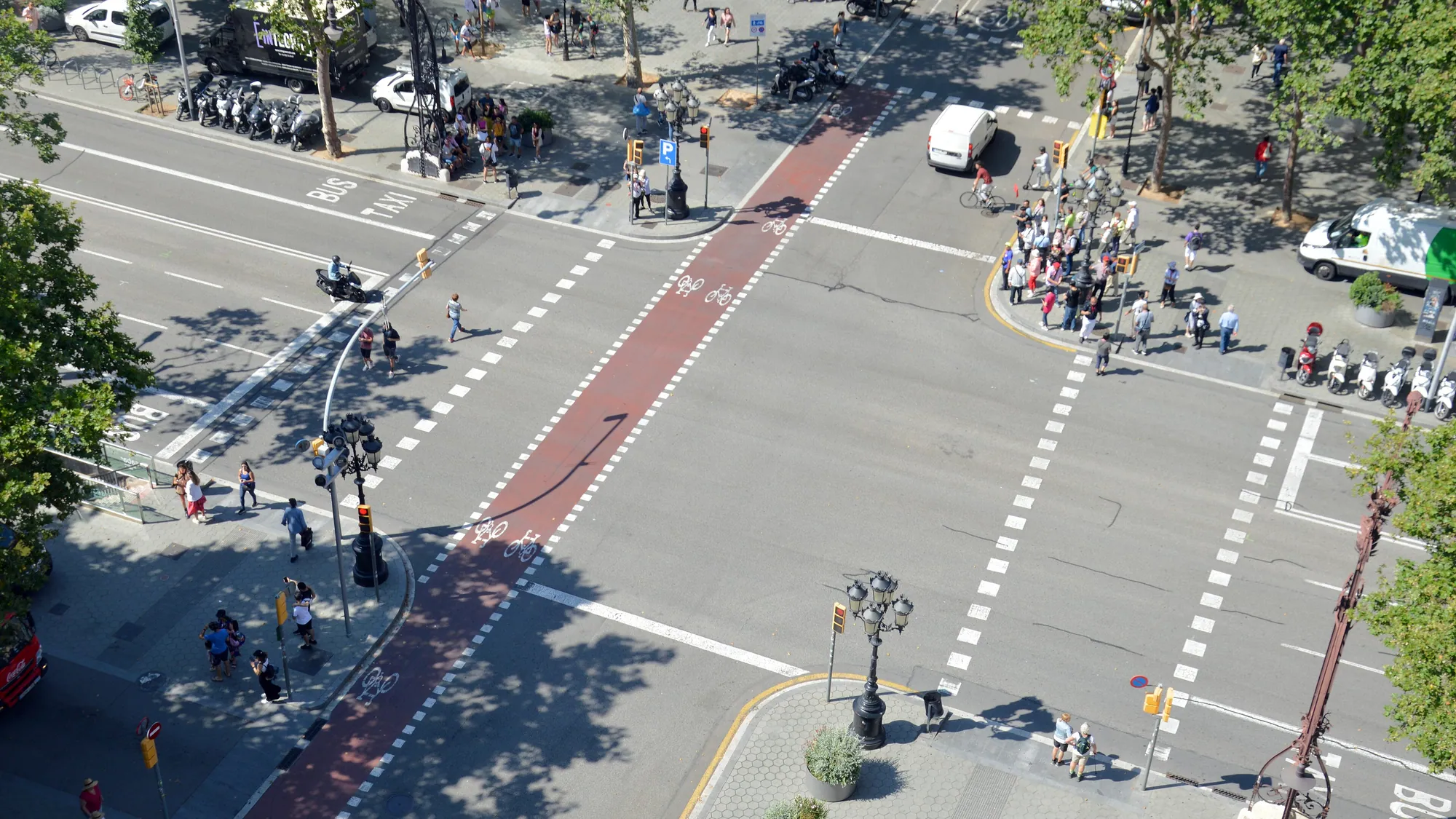
Cards are increasingly loaded onto the T-mobilitat contactless card or the mobile app, which replaced the old magnetic tickets. The airport has its own fares: the metro airport stations on line L9 Sud need a special airport ticket, while the Rodalies R2 Nord train is covered by standard integrated tickets. Many people also use the Bicing public bike scheme, which requires an annual subscription, or simply walk: the centre is compact and flat near the sea.
Utilities and connectivity
Utility costs depend heavily on the size of the flat, the season and your habits. Spain's electricity prices also move with the wholesale market, especially on the regulated tariff (PVPC).
- Electricity: most Barcelona flats use electricity for cooking, hot water or heating, and older buildings are poorly insulated, so winter and summer bills rise with heating and air conditioning. Estimate yours with our electricity bill estimator.
- Water: billed by the local water company, usually every two months, and normally a small part of the budget.
- Gas: many flats use natural gas or butane cylinders for hot water and cooking.
- Internet and mobile: fibre is widely available, and most people buy a fibre and mobile bundle from one provider. Compare offers carefully, as introductory prices often rise after the first year.
- Community fees (comunidad) are usually paid by the landlord, but check your contract.
Food and eating out
Food prices in Barcelona are close to the Spanish average for supermarkets and higher than average in tourist areas.
- Supermarkets: Mercadona, Bonpreu, Caprabo, Lidl, Aldi and Carrefour cover most needs. Prices for basics such as bread, fruit, vegetables and olive oil vary with the season and the year's harvest.
- Markets: the city's network of municipal markets, such as Sant Antoni, Santa Caterina and the Ninot, is good for fresh produce. La Boqueria is beautiful but aimed at visitors.
- Menú del día: the set lunch of two courses, bread, a drink and dessert or coffee remains the best value way to eat out on weekdays. Expect to pay more in the centre and near the beach.
- Coffee and tapas: prices vary a lot between neighbourhood bars and tourist streets. Prices include IVA (VAT), and tipping is optional; see our tipping calculator.
Other costs to plan for
- Healthcare: if you work or are registered with Social Security, you get public healthcare through the Catalan health service (CatSalut) and a health card (TSI). Many expats add private insurance. Read our healthcare guide.
- Schools: public schools teach mainly in Catalan; private and international schools charge fees. See schools and education.
- Tourist tax: visitors pay a tourist tax on accommodation, with a Barcelona surcharge on top of the Catalan rate. Check it with our tourist tax calculator.
- Income tax: Catalonia has one of the higher regional income tax scales in Spain. Read Spain income tax explained and try the net salary calculator.
Is Barcelona affordable on a Spanish salary?
It can be tight. The minimum wage in 2026 is €1,221 a month in 14 payments (Real Decreto 126/2026), and an average new rent of around €1,140 is close to the whole of that. Many people on local salaries share a flat, live further out, or rent in nearby towns. On a higher salary, or with remote income from abroad, Barcelona offers an excellent quality of life, but budget for a long search and upfront costs of at least two to three months' rent.
Frequently asked questions
What is the average rent in Barcelona in 2026?
According to Incasòl deposit data, new rental contracts in the city of Barcelona averaged about €1,137 a month in the first quarter of 2026, and a little over €1,140 in the second quarter. Sarrià-Sant Gervasi is the most expensive district, at around €1,599 a month for new contracts.
How much is a monthly transport pass in Barcelona?
The T-usual, for unlimited travel in zone 1 for 30 days, costs €22.80 in 2026 with the 50% discount. Young people under 30 can buy the T-jove, valid for 90 days, for €45.50.
How much is a metro ticket in Barcelona?
A single ticket costs €2.90 in zone 1, and the T-casual, for 10 journeys, costs €13. The T-casual is for one person only, so a group needs one each.
How big a deposit can a Barcelona landlord ask for?
On a standard long-term rental, the legal deposit is one month's rent, and extra guarantees are capped at two months' rent. Agency fees are paid by the landlord. Seasonal and room contracts have their own rules, so check your contract.
Is Barcelona more expensive than Madrid?
Both are the most expensive cities in Spain for housing, and the gap varies by neighbourhood. Barcelona's public transport passes are cheaper for adults in 2026, while Madrid's Abono Joven at €10 is cheaper for under-26s. Compare both with our cost of living tool and the Madrid city page.
Written by Daleel ZA editorial team. Daleel ES is a guide, not legal, financial or immigration advice. Rules change; confirm with the authority named before you act.