






Spain Emergency Numbers and Safety Tips for Residents and Visitors
112 works everywhere in Spain, in English too. The other numbers worth saving, how to report a crime, and practical tips for heat, beaches and pickpockets.
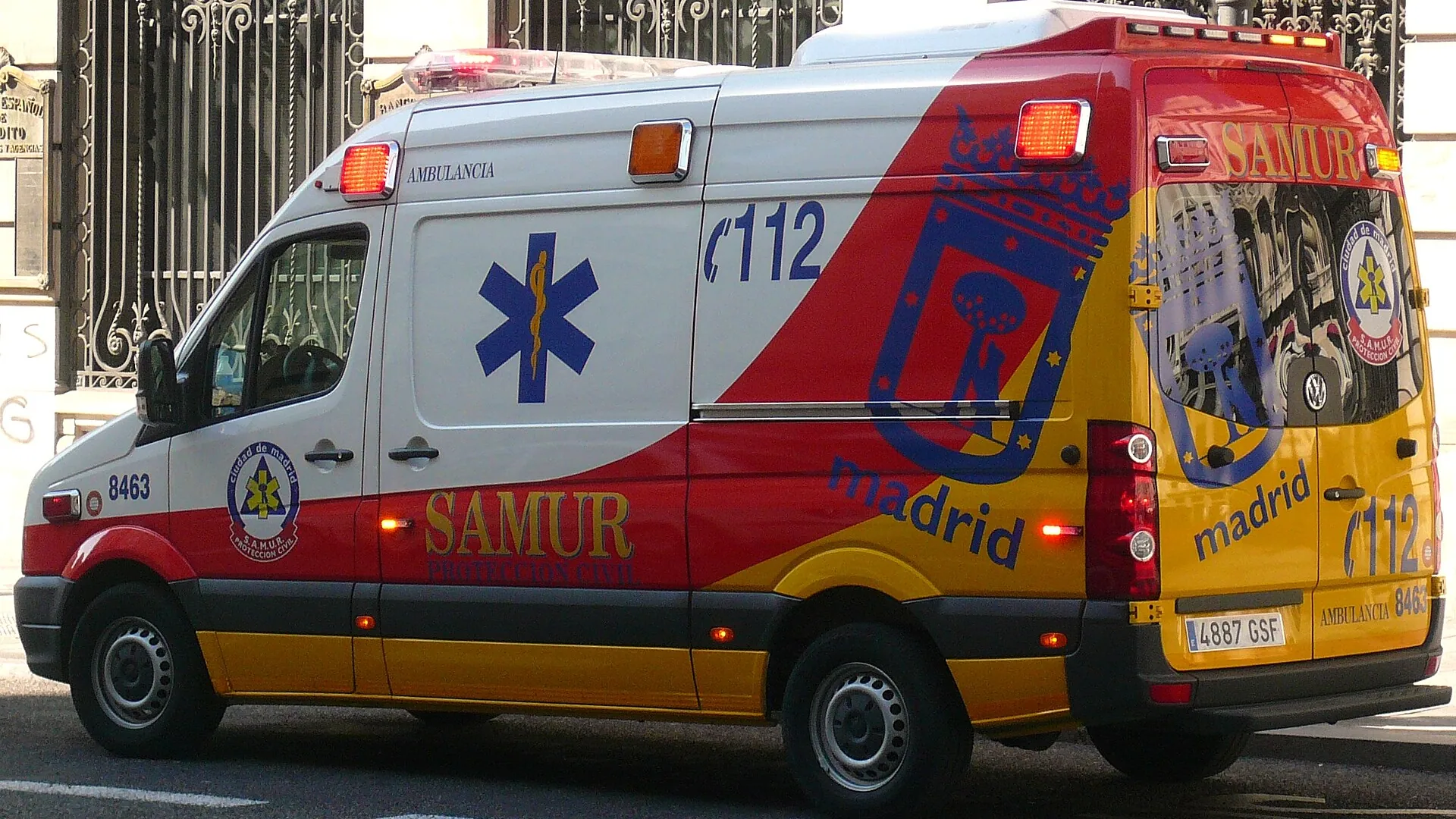
Spain is a safe country to live in and visit, with good emergency services and a public health system that treats anyone in an urgent situation. Most problems visitors face are minor: a stolen phone, heat exhaustion, a lost passport. Knowing which number to call, and what to do next, makes a stressful moment much easier.
Save the numbers below in your phone now. Our emergency page and the emergency numbers tool keep them in one place, and our safety and security guide goes deeper.
112: the number to remember
112 is the single emergency number for Spain and the whole EU. It is free, works 24 hours a day from any landline or mobile, even without credit, and the regional 112 centres can handle calls in English and many other languages.
Call 112 for any emergency: a fire, a crime in progress, a serious accident, a medical emergency, someone in danger at sea or in the mountains. The operator sends police, ambulance, firefighters or rescue teams as needed, so you do not have to decide which service you want.
When you call, try to say:
- What has happened
- Where you are (street and number, town, a landmark or kilometre marker on a road)
- How many people are affected and whether anyone is badly hurt
- Your phone number, and stay on the line until the operator tells you to hang up
Many regions also have a 112 app that sends your location. Deaf people and people with speech impairments can contact 112 by text or through regional apps; check your region's service.
Other numbers worth saving
| Number | Service | When to use it |
|---|---|---|
| 112 | All emergencies | Any urgent danger to life, health or property |
| 091 | Policía Nacional (National Police) | Crimes in towns and cities, lost passports, residence cards |
| 062 | Guardia Civil | Crimes in rural areas, roads and traffic, coasts |
| 092 | Policía Local (Local Police) | Local issues, traffic, noise, minor incidents in your town |
| 061 | Medical emergencies (in many regions) | Urgent health care; in some regions 112 handles all medical calls |
| 080 / 085 | Fire services | 080 in many cities, 085 in some provinces and regions |
| 016 | Gender violence helpline | 24 hours, in many languages; it does not appear on your phone bill |
| 024 | Suicide and emotional crisis line | 24 hours, free and confidential |
| 900 20 20 10 and 116 111 | ANAR helpline for children and teenagers | 24 hours, free and confidential |
| 116 000 | Missing children hotline | Reporting a missing child |
Catalonia, the Basque Country and Navarre have their own regional police forces (the Mossos d'Esquadra, the Ertzaintza and the Policía Foral), which handle most policing there. You can always reach them through 112.
Note on 016: the call does not appear on your bill, but it may appear in your phone's call history, so delete it if you need to. You can also contact the service by email or online chat; details are on the Ministry of Equality's website.
Health emergencies
- Life-threatening: call 112 or go straight to the emergency department (urgencias) of the nearest public hospital.
- Urgent but not life-threatening: go to a 24-hour primary care emergency centre or your local health centre (centro de salud). Pharmacies (farmacias, with a green cross) can advise on minor problems, and at least one in each area is open 24 hours or on duty at night (farmacia de guardia).
- Visitors: public hospitals treat emergencies for everyone. EU visitors should carry their European Health Insurance Card, and UK visitors their GHIC; others should have travel insurance, as you may be billed afterwards.
- Residents: register with your health centre as soon as you can. Read our healthcare and health insurance guide.
Reporting a crime
If you are a victim of theft or another crime, report it (poner una denuncia) to the Policía Nacional, the Guardia Civil or the regional police. You need a police report to claim on insurance and to replace stolen documents.
- In person: at any police station (comisaría). In big tourist cities, some stations have services for foreign visitors with interpreters.
- Online or by phone: for some minor offences without violence or a known suspect, you can start a report on policia.es and then sign it at a station within a set time.
- Lost or stolen passport: report it to the police, then contact your embassy or consulate for an emergency travel document.
- Stolen bank cards: call your bank immediately to block them.
Staying safe: practical tips
Pickpockets and scams
Violent crime against visitors is rare. The most common problem is pickpocketing in crowded places: metros, busy streets, markets, beaches and tourist sights in Madrid, Barcelona and other big cities.
- Keep your phone and wallet in a front pocket or a zipped bag held in front of you.
- Never leave a phone on a café table or a bag hanging on the back of a chair.
- Be wary of distractions: someone pointing out a "stain" on your clothes, asking you to sign a petition or offering a sprig of rosemary.
- On the metro, stand away from the doors and keep your bag closed. See our Madrid metro guide.
- At cash machines, use those inside bank branches where possible and cover your PIN.
Heat
Summers in much of Spain are hot, and heatwaves above 40°C have become more frequent. The state weather agency AEMET (aemet.es) issues yellow, orange and red warnings.
- Avoid strenuous activity in the middle of the day, roughly 12:00 to 17:00 in summer.
- Drink water regularly, wear a hat and use sun cream.
- Check on older neighbours and never leave children or pets in a parked car.
- Signs of heatstroke, such as confusion, a very high temperature or loss of consciousness, need a call to 112.
Beaches and the sea
- Swim on beaches with lifeguards and follow the flags: green means safe to swim, yellow means take care, red means no swimming.
- Watch for rip currents and jellyfish warnings.
- If someone is in trouble at sea, call 112, which alerts the maritime rescue service (Salvamento Marítimo).
Mountains and countryside
- Check the weather forecast before hiking, carry water and tell someone your route.
- In summer, wildfire risk can be extreme. Never light fires or barbecues outside authorised areas, and follow road closures. If you see smoke, call 112.
- Mountain rescue is free in most regions in a genuine emergency, but some regions can charge for rescues caused by reckless behaviour.
On the road
- Drivers must carry a reflective jacket and, from 2026, a connected V-16 warning beacon to signal a breakdown. Read our driving and transport guide.
- In an accident on a motorway, put on the jacket before leaving the car and move behind the barrier.
Nights out
Spanish nightlife starts late and is generally safe. Watch your drink, agree taxi fares or use licensed taxis and apps, and plan how you will get home. Spain has strong laws against sexual violence; victims can contact 016, 112 or the police at any time, and hospitals have specific protocols.
For residents: be ready
- Save 112 and your local police and health centre numbers.
- Keep copies of your passport, TIE and insurance on your phone and in the cloud.
- Know the address of your nearest public hospital with an emergency department.
- Register with your embassy if it offers alerts for nationals abroad.
- Follow the regional civil protection service and AEMET for weather warnings, including floods in autumn on the Mediterranean coast.
Frequently asked questions
What is the emergency number in Spain?
- It is free, works from any phone 24 hours a day, and operators can handle calls in English and many other languages. They send police, ambulance or firefighters as needed.
Can I call 112 in English?
Yes. The regional 112 centres handle calls in English and several other languages, sometimes through interpreters. Speak slowly, say where you are first, and stay on the line.
What is the difference between the Policía Nacional and the Guardia Civil?
The Policía Nacional (091) covers most towns and cities and handles passports, residence cards and immigration. The Guardia Civil (062) covers rural areas, roads, coasts and borders. In Catalonia, the Basque Country and Navarre, regional police forces do most policing. For emergencies, 112 reaches all of them.
How do I report a stolen phone or wallet in Spain?
Go to a police station to file a report (denuncia), or start one online on policia.es for some minor thefts and sign it at a station later. Block your bank cards and phone straight away, and contact your consulate if your passport was taken.
Is Spain safe for tourists?
Yes. Spain has low levels of violent crime. The main risks are pickpocketing in crowded areas, summer heat and strong sea currents. Follow simple precautions and you are very unlikely to have problems.
Written by Daleel ZA editorial team. Daleel ES is a guide, not legal, financial or immigration advice. Rules change; confirm with the authority named before you act.