


Aqueduct of Segovia
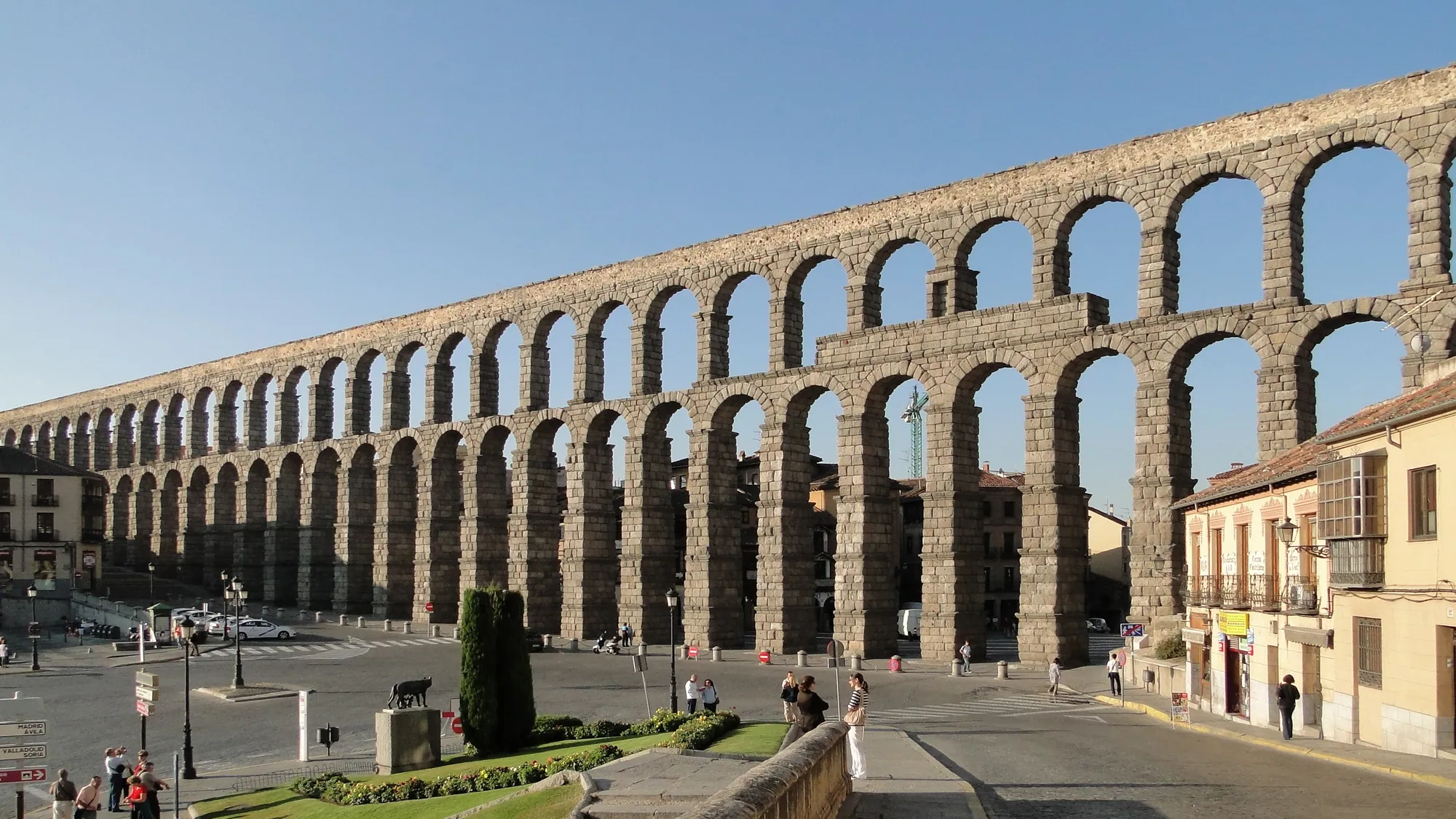
A Roman aqueduct of granite blocks laid without mortar, about 2,000 years old and up to 28 m high where it crosses Plaza del Azoguejo; the old city is a UNESCO site.
Facts, places, transport, contacts, holidays and events for the 8 main cities, and a page for every autonomous community and autonomous city.
Compare the cities Explore
Select any region on the map of Spain to open its page.
19 free tools for money, work, visas and daily life, built on Spain's own rules and unlocked with a free Daleel Pass.
All tools Unlock everything
Email and mobile once, every tool open for a year.
Emergency services, helplines, ministries, regional governments, town halls, hospitals, universities, embassies and utilities, by city.
Open the directory Save the card
Police, fire and ambulance from any phone, anywhere in Spain, in several languages.
Visas, labour law, renting, healthcare, schools, driving, money, business and culture, explained in plain language.
All guides Start here
The complete checklist, from the NIE and the padrón to your first 90 days.
Concerts, festivals, theatre, culture and the big trade fairs across the main cities, refreshed every day from official venues and calendars.
See all events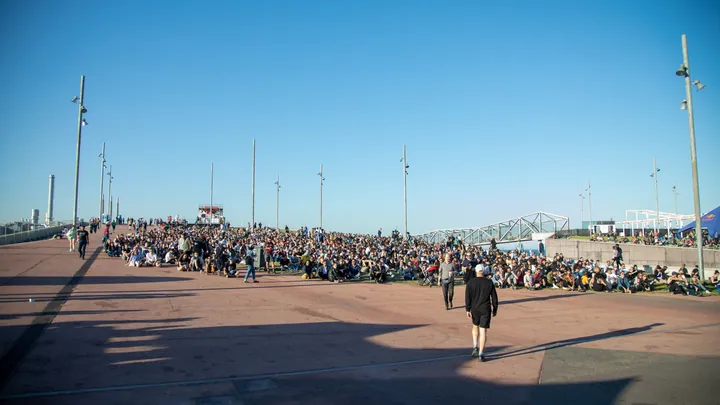 Events
What's on
Practical articles on living, working, visas, money and travel across Spain.
Read the blog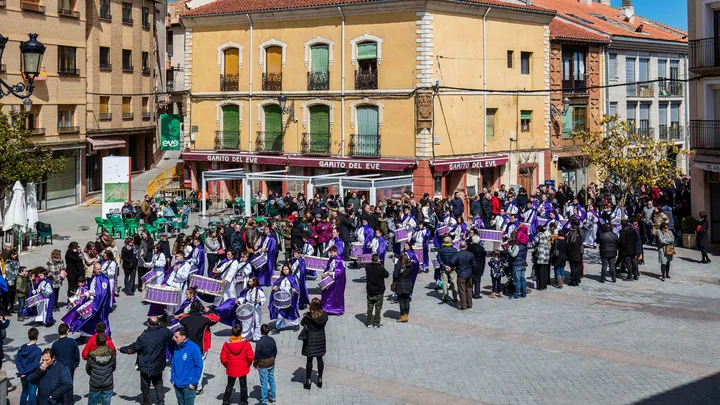 New
The latest from the blog.
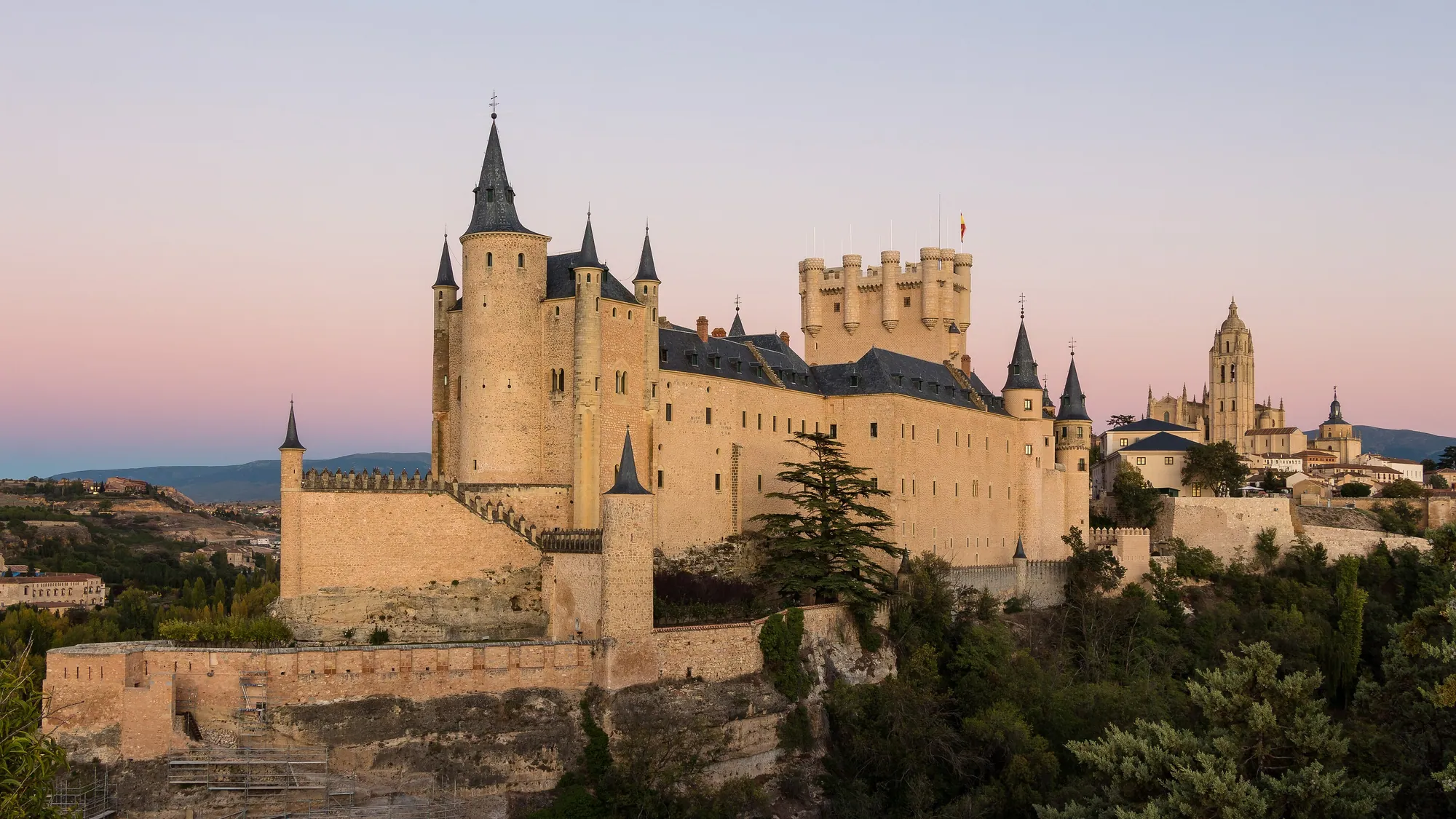
Castile and León is Spain's largest region by area, a high plateau of historic cities such as Salamanca, Segovia, León, Burgos and Ávila.
Castile and León is the largest region of Spain and one of the largest in the European Union, but it is thinly populated. It holds more UNESCO World Heritage Sites than most countries, including the old cities of Salamanca, Segovia (with its Roman aqueduct) and Ávila (with its medieval walls), Burgos Cathedral and the Atapuerca archaeological site. The Way of Saint James (Camino de Santiago) crosses the region on its way to Galicia.
The Junta de Castilla y León sits in Valladolid. Winters are cold and summers hot and dry. Most of the region is within easy reach of Madrid by high-speed train.
Landmarks, heritage, nature and days out in Castile and León.
A Roman aqueduct of granite blocks laid without mortar, about 2,000 years old and up to 28 m high where it crosses Plaza del Azoguejo; the old city is a UNESCO site.
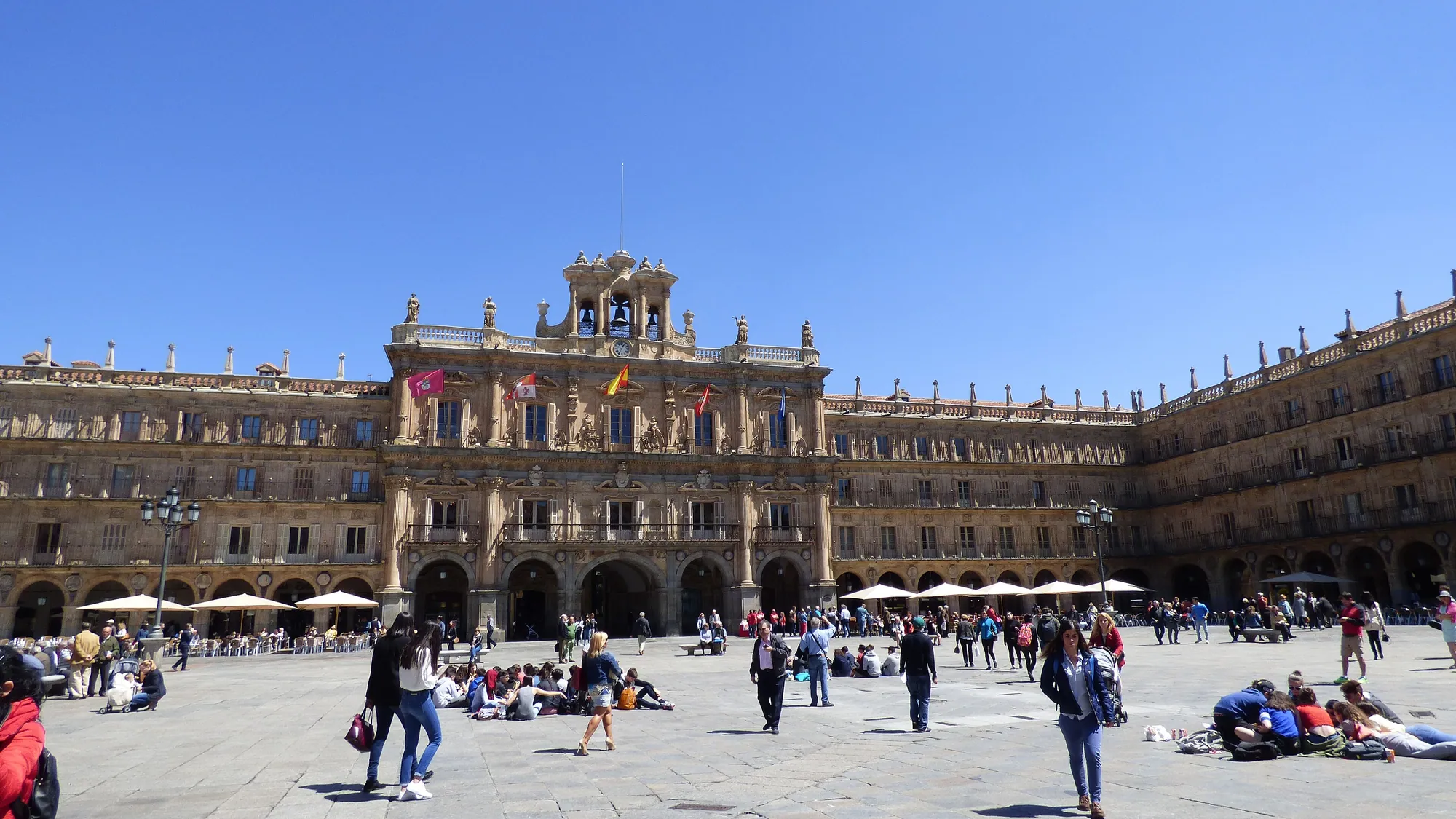
A UNESCO city of golden sandstone with a Baroque Plaza Mayor, two cathedrals and one of Europe's oldest universities, founded in 1218, with the famous carved frog on its facade.
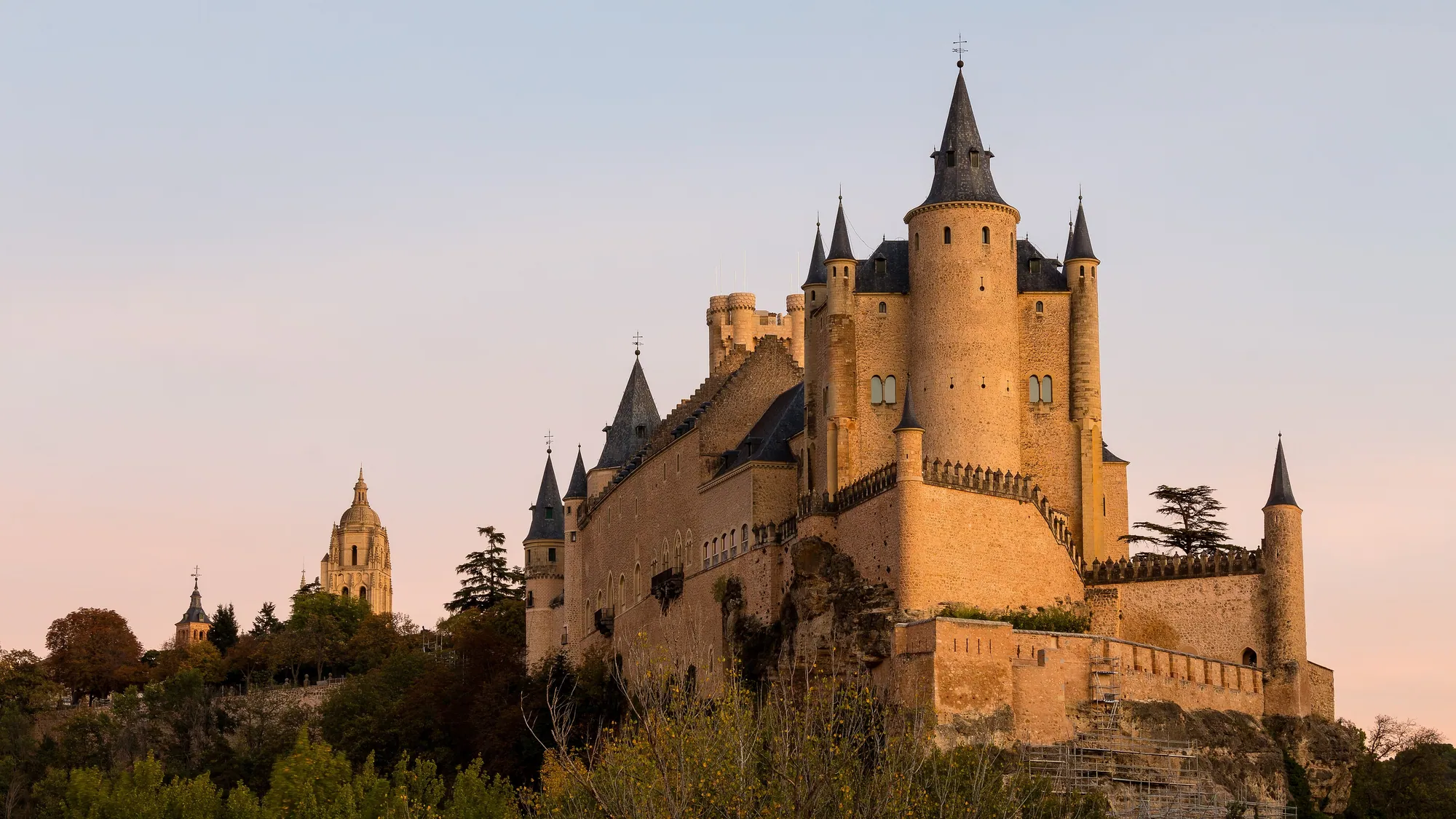
A fairy-tale royal castle on a rock prow above two rivers, with Mudéjar ceilings, an armoury and the tower of John II to climb for views over the Castilian plain.
Open 10:00 to 18:00 from November to March and 10:00 to 19:30 from April to October; EU citizens get free entry on Tuesdays from 14:00 to 16:00 at the ticket office.
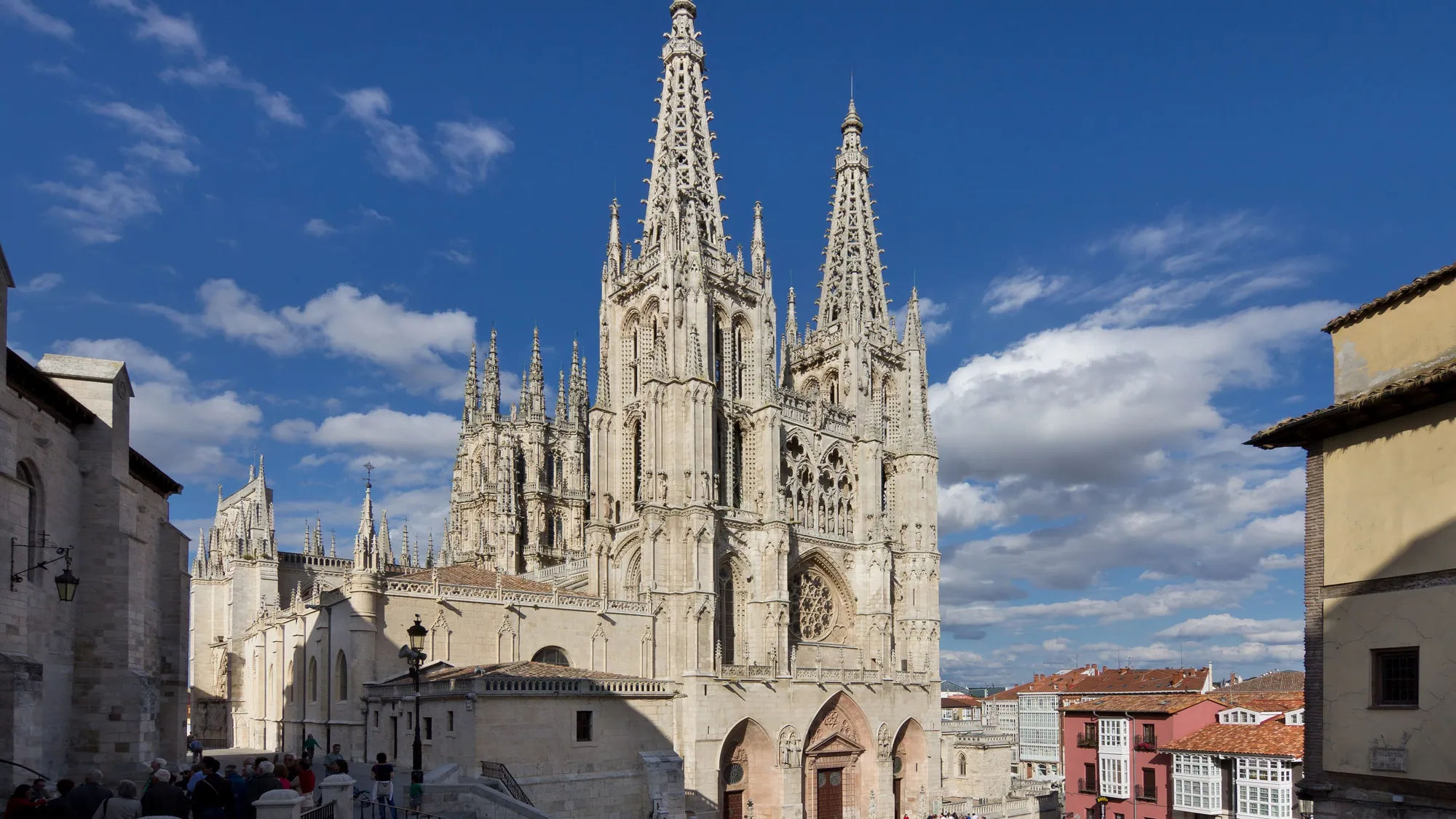
WebsiteA Gothic cathedral begun in 1221 with openwork spires and the tomb of El Cid, the only Spanish cathedral listed on its own as a UNESCO World Heritage Site.
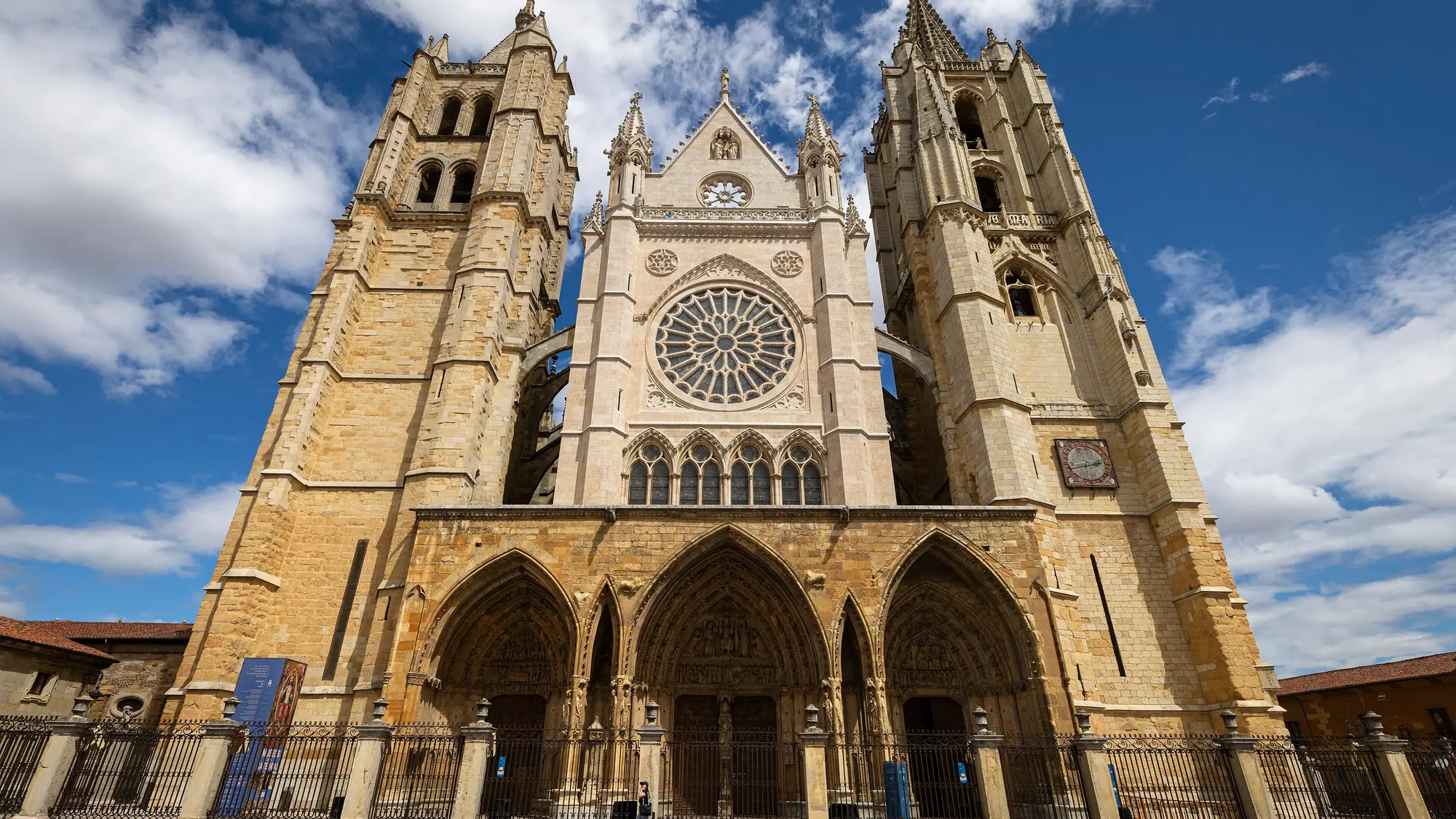
WebsiteA 13th-century Gothic cathedral famed for nearly 1,800 square metres of medieval stained glass, which floods the interior with colour, on the Camino de Santiago.
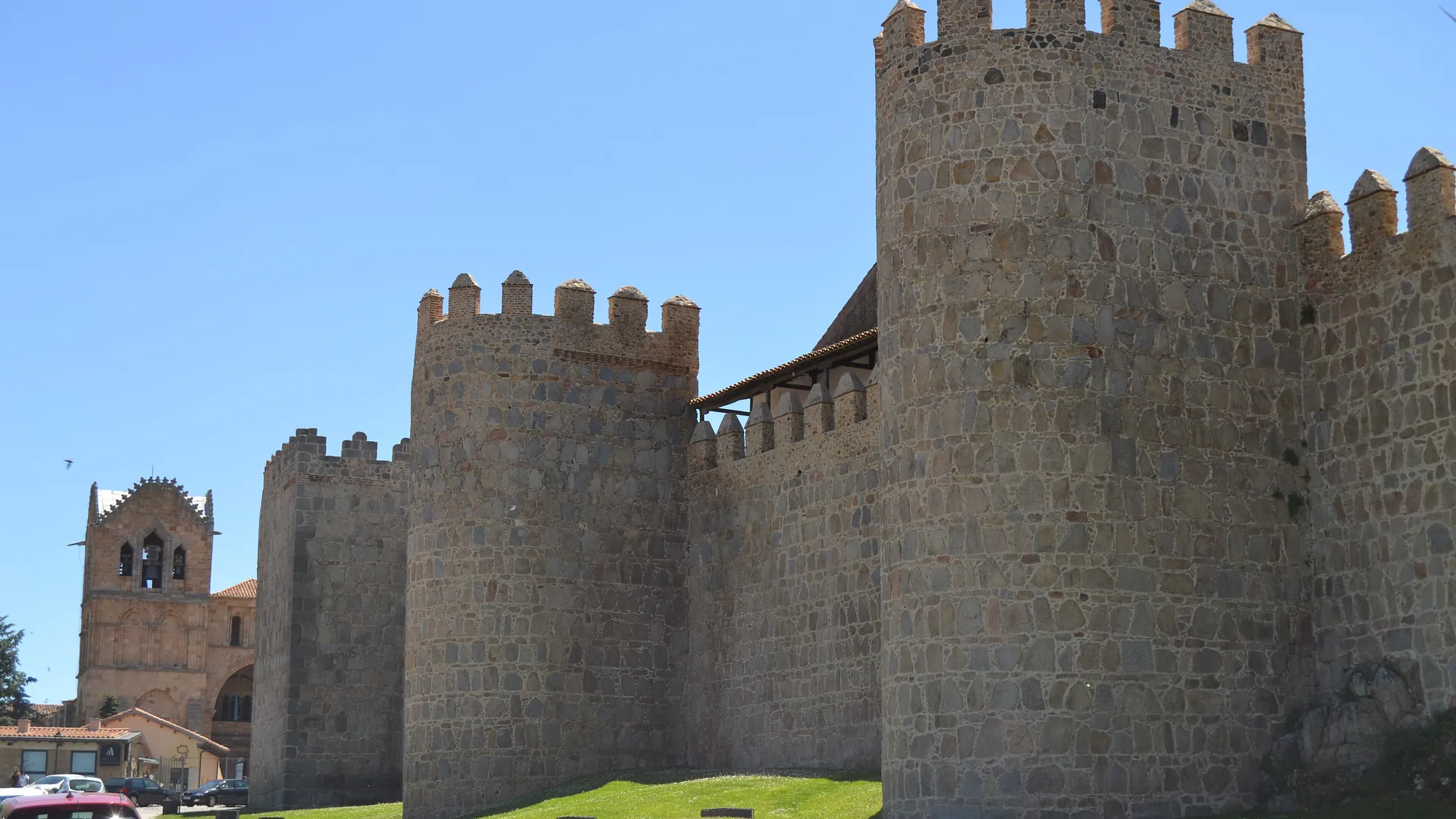
Medieval stone walls about 2.5 km long with dozens of towers and nine gates, enclosing the old city of Ávila, birthplace of Saint Teresa; parts of the wall walk are open to visitors.
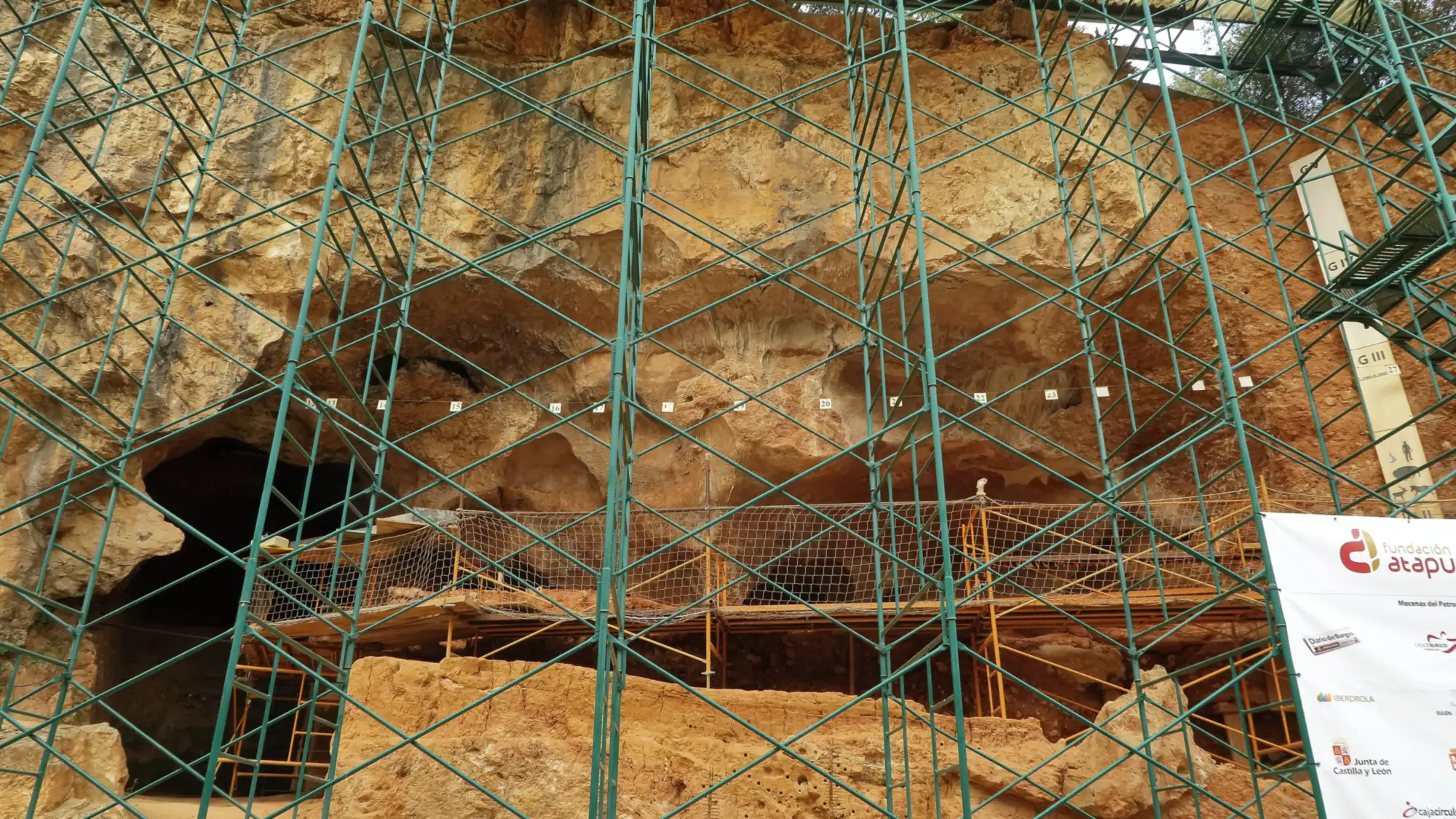
Caves near Burgos holding the oldest human remains found in western Europe, a UNESCO site visited on guided tours, linked to the Museum of Human Evolution in Burgos.
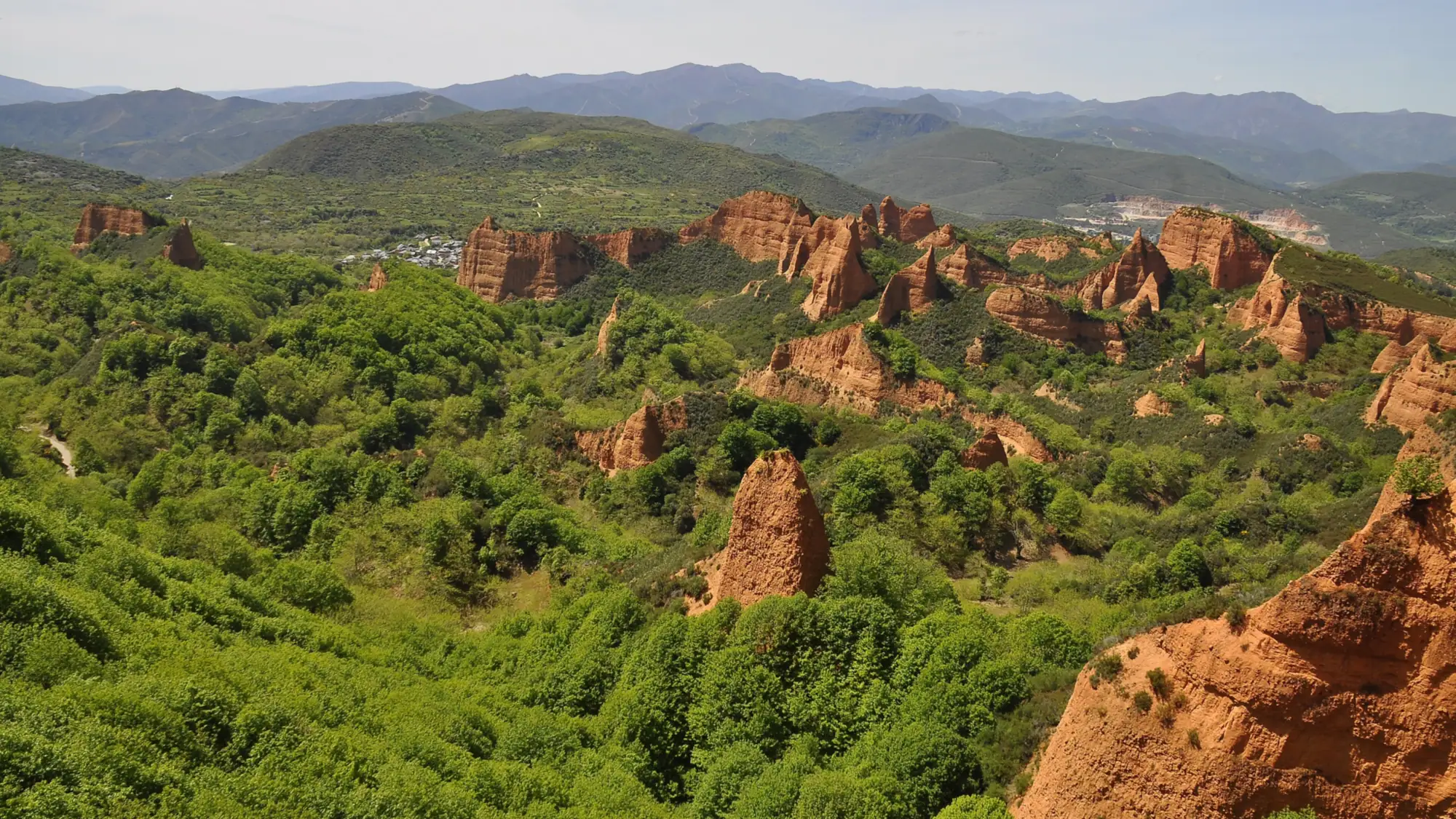
A landscape of red peaks and chestnut woods in El Bierzo left by Roman gold mining, a UNESCO World Heritage Site with a viewpoint at Orellán and walking trails.
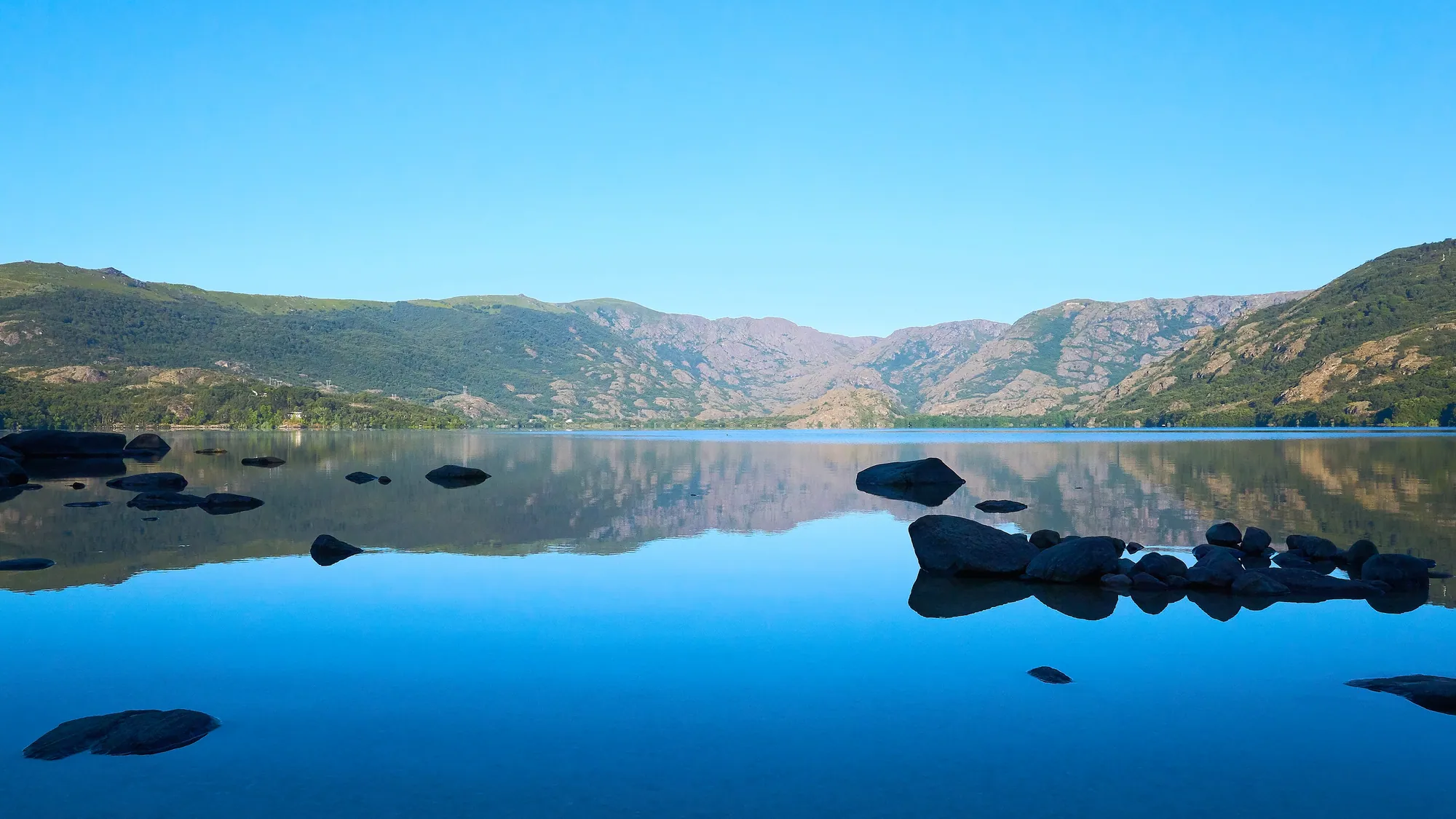
The largest glacial lake in the Iberian Peninsula, in the mountains of Zamora near the Portuguese border, with beaches for summer swimming and walks to higher lakes.
National holidays and the regional days of Castile and León. Each town adds two local holidays of its own.
Local services. National numbers such as 112, 091, 062 and 016 work everywhere in Spain.